
Planting
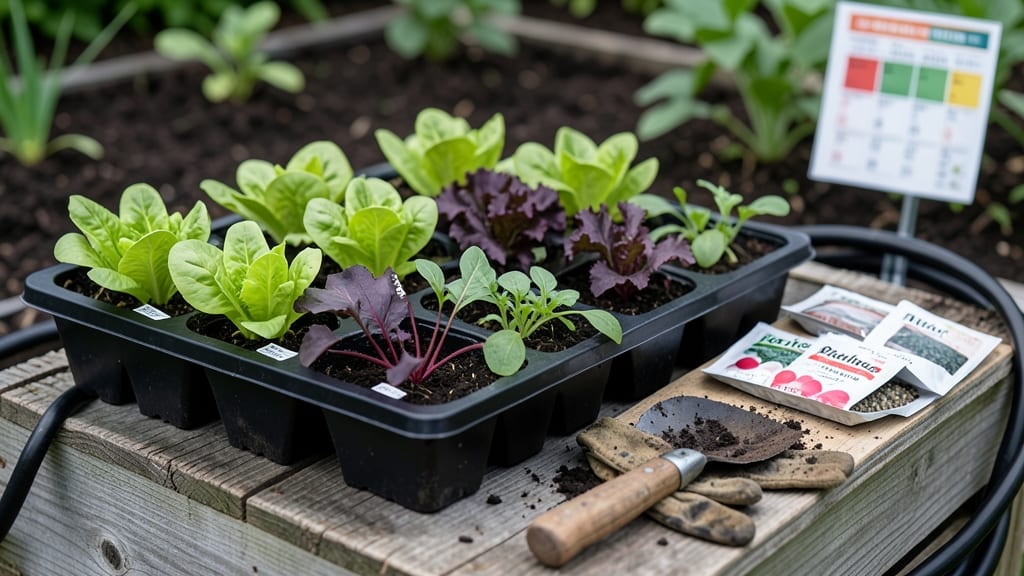
To plant a vegetable garden in Seattle, aim for March through May for spring crops and August through September for fall plantings—timing that aligns with the city’s 8a-9a frost-free window.
Seattle’s unpredictable weather can turn gardening success into a guessing game—but timing your vegetable garden just right means the difference between thriving harvests and wilted disappointment.
With frost dates shifting yearly and microclimates creating hidden growing zones, here’s your data-backed guide to planting vegetables in the Emerald City, from cool-season greens to sun-loving tomatoes.
You’ll discover the exact frost-free window for your neighborhood, how to use row covers to extend the season, and a 5-week planting schedule for nonstop harvests—no more missed opportunities or bolted lettuce.
Seattle’s frost-free dates: the exact window for planting vegetables by season
Seattle’s USDA Zones 8a-9a create a unique gardening puzzle—cool, wet springs and mild winters demand precise timing. The average last frost date hovers around April 15, but inland areas like South Seattle can warm 2-3 weeks earlier than coastal spots like Ballard.
According to WSU Extension data, 2024 projections suggest a 3-week window shift based on recent climate trends.
For cool-season crops like kale, spinach, and peas, you can start seeds as early as February in protected beds. These hardy veggies tolerate light frosts and even thrive in 50°F soil.
Meanwhile, warm-season crops such as tomatoes, peppers, and basil need to wait until after May 1 when soil temperatures consistently reach 60°F+.
First frost typically arrives around October 15, giving you a 180-day frost-free window—perfect for succession planting. However, heat-loving crops like cucumbers and squash should be sown no later than July 1 to mature before cooler weather sets in.
Pro Tip: Use row covers or cold frames to extend your spring planting by 2-4 weeks, especially for leafy greens. These tools can push your first harvest dates from June to early May!
| Crop Type | Planting Window | Soil Temp | Days to Harvest | Seattle Notes |
|---|---|---|---|---|
| Cool-Season (Leafy Greens) | Feb 1 - Apr 15 | 45-55°F | 30-60 days | Spinach, kale, lettuce thrive in cool weather; avoid summer heat. |
| Cool-Season (Root Veggies) | Mar 1 - May 1 | 50-60°F | 60-90 days | Carrots, beets, radishes; loosen soil to prevent forking. |
| Warm-Season (Fruiting) | May 1 - Jun 30 | 60°F+ | 60-120 days | Tomatoes, peppers, cucumbers; wait for soil to warm. |
| Warm-Season (Herbs) | Apr 15 - Jun 15 | 55°F+ | 45-90 days | Basil, cilantro, dill; protect from early frosts. |
| Fall Planting (Cool-Season) | Aug 1 - Sep 15 | 50°F+ | 45-80 days | Broccoli, cabbage, peas; harvest before first frost. |
Seattle’s Puget Sound influence creates coastal delays, so areas like West Seattle may experience later last frosts (up to May 1). In contrast, Eastside neighborhoods like Bellevue often see earlier soil warming, allowing tomatoes to be planted by April 20.
Always check your local microclimate—even a 5-block difference can shift frost dates by 10 days.
For container gardening, warm up soil faster by placing pots in sunny, south-facing spots and using black plastic mulch. This trick can advance planting by 1-2 weeks for heat-sensitive crops like eggplants.
Just be sure to monitor soil temperature with a soil thermometer—50°F is the magic number for many veggies!
WSU Extension recommends staggering plantings every 2-3 weeks to ensure a continuous harvest. For example, plant lettuce on March 1, April 1, and May 1 to enjoy fresh greens through July and August. This strategy works especially well for fast-growing crops like radishes and bush beans.
Don’t forget about fall planting! While many gardeners focus on spring, August and September offer a second chance to grow cool-season crops. By mid-September, you can still sow spinach, arugula, and peas for a winter harvest.
Use row covers to protect young plants from light frosts and extend your growing season into December.
If you’re new to Seattle gardening, start small
Microclimate hacks: how Seattle’s neighborhoods change planting times by 3+ weeks
Seattle’s neighborhood microclimates can shift planting windows by 3-4 weeks, turning your neighbor’s successful garden into your failed experiment.
Coastal areas like Ballard and West Seattle often experience delayed spring planting due to ocean breezes, while South Seattle’s urban heat islands can warm soil enough to plant tomatoes 2 weeks earlier than the city average. Understanding these zones means the difference between bountiful harvests and wilted seedlings.
For balcony gardens and rooftop containers, microclimates matter even more—wind exposure, reflective surfaces, and heat absorption from buildings can create pockets where warm-season crops thrive while ground-level gardens struggle.
Even community gardens just blocks apart may have completely different frost dates, making regional planting charts useless without local adjustments.
If you’re gardening in urban heat islands like South Seattle or the International District, you can plant warm-season crops 2-3 weeks earlier than the city average. Use a soil thermometer to confirm when temperatures hit 50°F+—this is your cue for tomatoes, peppers, and squash.
For coastal areas, wait until May 1 to avoid late frosts that can devastate young plants.
For balcony and rooftop gardens, choose container-friendly crops like bush beans, cherry tomatoes, and herbs, which thrive in the warmer microclimates created by concrete and metal surfaces. Add heat-retaining fabrics around containers to extend the growing season in fall months.
Even a black plastic mulch can raise soil temps by 5-10°F, letting you plant cucumbers or basil a week earlier.
Pro tip: Check your local WSU Extension frost maps annually—some Seattle neighborhoods have seen earlier last frosts in recent years due to climate shifts. For community gardens, ask fellow gardeners about their personal frost dates; you’ll often find 1-2 week variations even within the same plot.
When in doubt, use frost cloth to protect tender seedlings until you’re confident the coast is clear.
Remember, microclimates aren’t just about temperature—wind, reflective surfaces, and shade patterns