
Planting
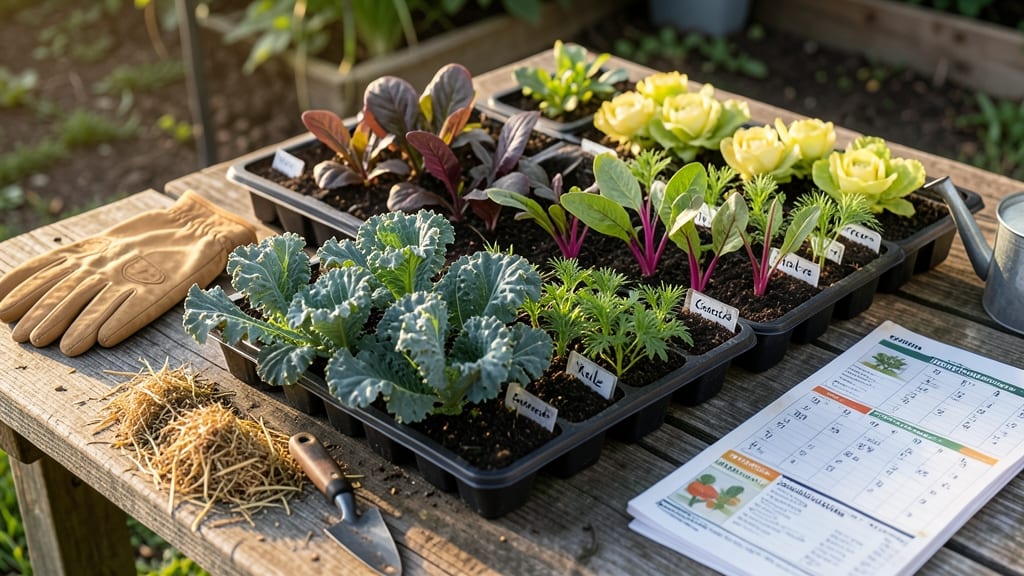
Planting a fall garden in Missouri starts 4-6 weeks before your first frost—typically mid-August to early October for most zones—but timing is the difference between a bumper crop and a frost-killed disappointment.
Missouri’s unpredictable fall weather can make or break your harvest—plant too early and risk frost, too late and miss the growing season entirely. Timing is everything for a thriving fall garden, and these exact planting dates by zone will help you maximize yields without the guesswork.
Cool-season crops like kale, spinach, and carrots thrive in Missouri’s 5b-6a zones, but they need the right start. The key is balancing soil warmth with frost risk, and I’ll break down the best windows for each zone so you don’t waste seeds or space.
From soil prep to frost protection, you’ll learn how to stretch your harvest into November—and why some crops (like radishes) grow faster than others (like Brussels sprouts) in Missouri’s short fall window.
Missouri fall planting dates by hardiness Zone: exact calendar for success
Missouri’s fall gardening season runs from mid-August through early October, but the exact timing depends on your USDA hardiness zone. Zones 5b, 6a, and 7a each have slightly different frost risks and soil temperature requirements.
For example, Zone 5b typically sees its first frost around October 28, while Zone 7a can extend planting until November 10. Understanding these differences ensures your cool-season crops like kale, spinach, and carrots mature before winter sets in.
To plan successfully, start by checking your local frost dates—Missouri’s average first frost ranges from October 25 (Zone 5b) to November 15 (Zone 7a). Planting 4-6 weeks before frost gives most vegetables enough time to reach harvest size.
For instance, spinach, which matures in 30-50 days, should be sown by early September in Zone 5b but can wait until mid-September in Zone 7a. Soil temperature also plays a critical role; aim for 50-70°F for optimal seed germination.
For Zone 5b gardeners, focus on fast-maturing crops like radishes (25 days) and turnips (30 days) to avoid frost. Start seeds indoors by late July for a head start, then transplant seedlings outdoors by mid-August.
In Zone 6a, you have more flexibility—direct-sow leaf lettuce and Swiss chard as late as September 20, as these tolerate light frosts. Meanwhile, Zone 7a gardeners can push boundaries with broccoli and cabbage, planting until October 5 for a late fall harvest.
Soil preparation is just as critical as timing. Before planting, amend your soil with compost to improve drainage and fertility. Test your soil’s pH—most cool-season crops prefer a range of 6.0-7.0.
For example, carrots struggle in rocky or clay-heavy soil, so loosen the top 12 inches with a garden fork. Mulch with straw or shredded leaves to retain moisture and suppress weeds, especially as temperatures drop in late September.
Watch for black frost warnings, which are common in Missouri’s fall. These occur when temperatures drop below 28°F, damaging even frost-tolerant crops. Use row covers or cold frames to extend the season by 2-4 weeks.
For instance, covering spinach with a lightweight fabric can protect it until November 15 in Zone 6a. Always monitor your local National Weather Service alerts for sudden temperature shifts, as Missouri’s fall weather can shift from 70°F to 32°F within 48 hours.
Succession planting is another key strategy. Instead of sowing all your radishes or lettuce at once, stagger plantings every 10-14 days to ensure a continuous harvest. For example, plant 50% of your lettuce seeds in early September and the remaining 50% in late September.
This method guarantees fresh greens even if an early frost hits. Pair fast growers like radishes with slower maturing crops like carrots to maximize space and yield.
Don’t overlook herbs and flowers for your fall garden. Cilantro and dill thrive in cooler weather and can be sown until September 15 in Zone 5b. Flowers like pansies and calendula add color and attract beneficial insects.
Plant these 6-8 weeks before frost for blooms that last until winter. For instance, pansies sown by September 1 in Zone 7a will flourish until
Best fall vegetables for Missouri gardens: fast-growing vs. slow-maturing crops
Missouri’s fall garden thrives with the right mix of fast-growing greens and slow-maturing root crops. The key is matching your planting strategy to your frost dates—typically mid-October in Zone 6—while maximizing harvest before temperatures drop.
Fast growers like radishes and spinach deliver quick rewards, while kale and carrots reward patience with extended harvests through light frosts.
Heat-tolerant greens such as Swiss chard and mustard greens can handle late summer heat better than delicate lettuce, making them ideal for early September plantings. Meanwhile, cold-hardy root vegetables like turnips and beets thrive when soil temperatures dip below 70°F, signaling it’s time to transition from summer crops.
Understanding these growth patterns helps you space crops efficiently and avoid competition for nutrients.
Fast-Growing vs. Slow-Maturing Fall Crops
Fast-Growing Crops
- Radishes (25-30 days)
- Spinach (30-40 days)
- Lettuce (30-50 days)
- Arugula (30-40 days)
Pros: Quick harvests, ideal for succession planting, tolerate light frost.
Cons: Short window for planting, may bolt in heat.
Slow-Maturing Crops
- Kale (50-60 days)
- Carrots (60-80 days)
- Beets (50-70 days)
- Swiss Chard (50-60 days)
Pros: Extended harvest, cold-hardy, sweeter after frost.
Cons: Require more time, need consistent moisture.
For fast-growing crops, aim to plant radishes and spinach in late August to early September, spacing seeds 1 inch apart in rows 12 inches apart. These crops mature in 30-50 days, giving you time to squeeze in multiple harvests before frost.
Use row covers to extend their growing season by 2-3 weeks if needed. For slow-maturing crops, sow kale and carrots in mid-to-late September, spacing seeds 2-3 inches apart in rows 18 inches apart.
Missouri’s Zone 5b-6a climate demands precise planting depth and soil prep. Fast growers like lettuce should be planted ¼ inch deep, while carrots need ½ inch deep planting to prevent forking.
Amend your soil with compost to improve drainage, as fall gardens in Missouri often face heavy rainfall that can lead to waterlogged roots. Mulch with straw to retain moisture and regulate soil temperature, especially for heat-sensitive greens.
Don’t overlook succession planting for fast growers like radishes and arugula. Plant new seeds every 2 weeks from late August through early October to ensure a continuous harvest.
Slow-maturing crops like kale and Swiss chard will reward you with frost-sweetened flavors, but protect them with lightweight row covers if temperatures drop below 25°F. These strategies ensure your fall garden stays productive well into November.
My top recommendation? Start with 50% fast growers and 50% slow maturers for a balanced fall harvest. For example, dedicate half your bed to radishes and spinach for quick wins, and the other half to kale and carrots for long-term rewards.
This approach maximizes your space and harvest efficiency while keeping your garden dynamic and productive.