
Planting
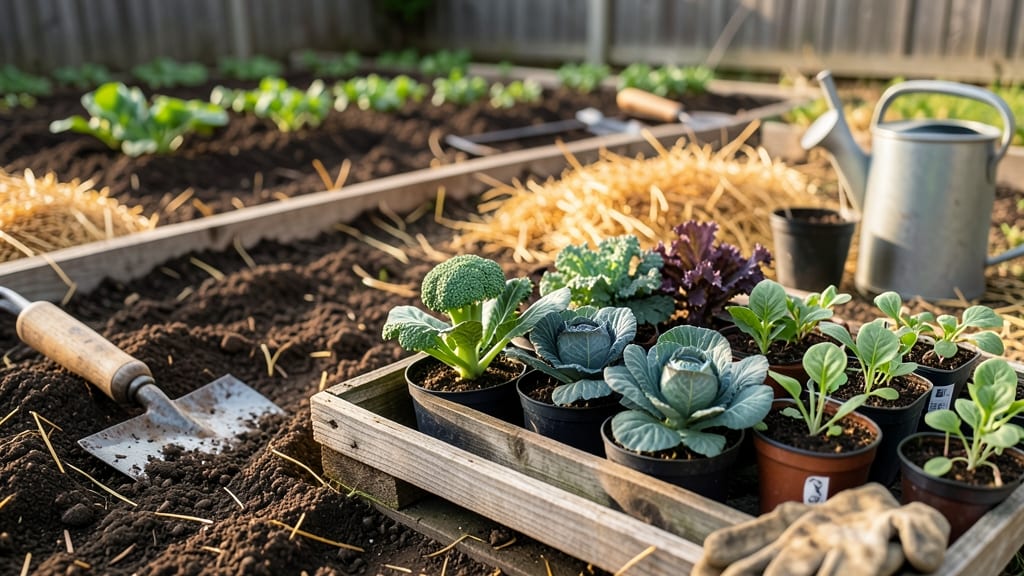
Planting a fall garden in South Texas starts between mid-August and early October to beat the heat and dodge early frosts—timing is everything.
South Texas gardeners face a unique challenge: scorching summers and unpredictable fall weather. But with the right timing, you can still grow a thriving 🌱 fall garden—just plant at the perfect moment to beat the heat and avoid early frosts.
Most frost-resistant crops like kale, carrots, and broccoli need 6-8 weeks to mature before the first freeze, which typically hits around December 1 in Zones 9a-10a. Miss that window, and you risk stunted growth or wasted effort.
Below, I’ll break down the exact planting schedule by heat zone, the best crops for your region, and how to stretch your harvest until the first frost—without losing your plants to the cold.
South Texas fall planting timeline by heat zone (avoid these critical mistakes)
South Texas gardeners in USDA Zones 8b-9a have a narrow window to plant a successful fall garden. The key is timing—plant too early, and your crops bolt in the heat; too late, and frost ruins your harvest.
My August-October timeline aligns with South Texas' first frost dates (December 1), ensuring you grow heat-tolerant crops like broccoli and kale before winter sets in.
First, test your soil in July for pH (ideal: 6.0-7.0) and amend with compost. South Texas' hot, dry summers can stress seedlings, so focus on shade cloth and drip irrigation during August. Avoid common mistakes like planting warm-season crops (tomatoes, peppers) after August 15—they won’t mature before frost.
Critical Mistake #1: Ignoring microclimates. Coastal areas (e.g., Corpus Christi) stay warmer longer than inland (e.g., San Antonio). Use this month-by-month guide to adjust planting dates based on your location. For example, carrots thrive in cooler September soil but struggle if planted in 100°F+ August heat.
Critical Mistake #2: Skipping succession planting. Instead of one big planting, stagger leafy greens (kale, spinach) every 2-3 weeks from September to October. This ensures a continuous harvest before frost. My fall garden checklist includes transplanting broccoli in early September for a November harvest.
In August, prioritize heat-tolerant crops like okra and southern peas. These thrive in 90°F+ soil and mature before fall cools. Direct-seed Swiss chard in late August for a September-October harvest. Avoid transplanting cool-season crops like broccoli until soil temps drop below 85°F.
By September 1, shift to transplanting frost-resistant veggies. My go-to varieties include De Cicco broccoli (heat-tolerant) and Winterbor kale, both of which handle South Texas’ variable fall temps.
Harden off seedlings for 5-7 days before transplanting to prevent shock. Water at the base (not overhead) to avoid fungal diseases like downy mildew.
Critical Mistake #3: Overlooking soil prep. South Texas soil is often sandy and nutrient-poor. Mix in 2-3 inches of compost and a balanced fertilizer (10-10-10) before planting. For carrots, loosen soil to 12 inches deep to prevent forking. Test soil moisture daily—carrots need consistent water but hate soggy soil.
In October, focus on fast-maturing crops like radishes (30 days) and spinach (40 days). These tolerate light frosts and can be harvested before December 1. If you’re late, opt for arugula or mustard greens, which add peppery flavor after a light frost.
Avoid planting slow growers (cauliflower, cabbage) after October 15—they won’t mature in time.
Protect your fall garden with row covers or cold frames if frost threatens before December 15. My hardening-off routine includes gradually reducing water and exposing plants to cooler nights for 1 week before the first frost.
For carrots, leave 2 inches of topsoil exposed to prevent greening (bitter taste).
Finally, harvest before frost. Most
Best fall vegetables for South Texas heat Zones (ranked by success rate)
South Texas’ fall garden thrives when you choose heat-tolerant, cold-hardy varieties that handle lingering summer heat while preparing for winter. The key is selecting crops that mature quickly—60-75 days max—before the first frost hits around December 1.
My top performers? Collard greens and turnips lead the pack, followed by broccoli and kale that tolerate light frosts.
For soil prep, amend beds with 2-3 inches of compost and a balanced 10-10-10 fertilizer to boost root growth. South Texas’ clay-heavy soil drains poorly, so mix in sand or coconut coir to prevent waterlogging—a common killer in fall gardens.
Test your soil’s pH (6.0-7.0 ideal) and adjust with lime or sulfur if needed.
Companion planting is a game-changer in South Texas’ fall garden. Pair broccoli with dill to repel cabbage moths, or plant radishes alongside carrots to deter pests naturally.
Avoid planting beans near onions—they compete for nutrients and stunt growth. My go-to combo? Kale + thyme—thyme deters pests while adding flavor to harvests.
Watering shifts in fall: deep soak twice weekly until soil temps drop below 70°F. Reduce frequency to once weekly in October to harden off plants. Use drip irrigation to avoid fungal diseases like downy mildew, which thrives in South Texas’ humid nights.
Mulch with straw to retain moisture and regulate soil temps—critical when daytime highs linger in the 90s°F.
Don’t overlook late-season varieties like ‘Florida Broadleaf’ mustard greens or ‘Tendergreen’ broccoli, bred to handle residual summer heat. These mature in 45-55 days, giving you an edge over traditional varieties.
For extended harvests, succession plant radishes every 2 weeks from August through September—they’re ready in just 25 days!
Protect your fall garden from unpredictable frost with row covers or cold frames after October 15. Even collards, my top performer, will bolt if temps drop below 25°F. Harvest leafy greens before frost for sweeter flavors—kale and spinach develop natural sugars when chilled.
With the right crops and timing, your South Texas fall garden can outperform spring plantings—just don’t wait until November! 🌱