
Planting
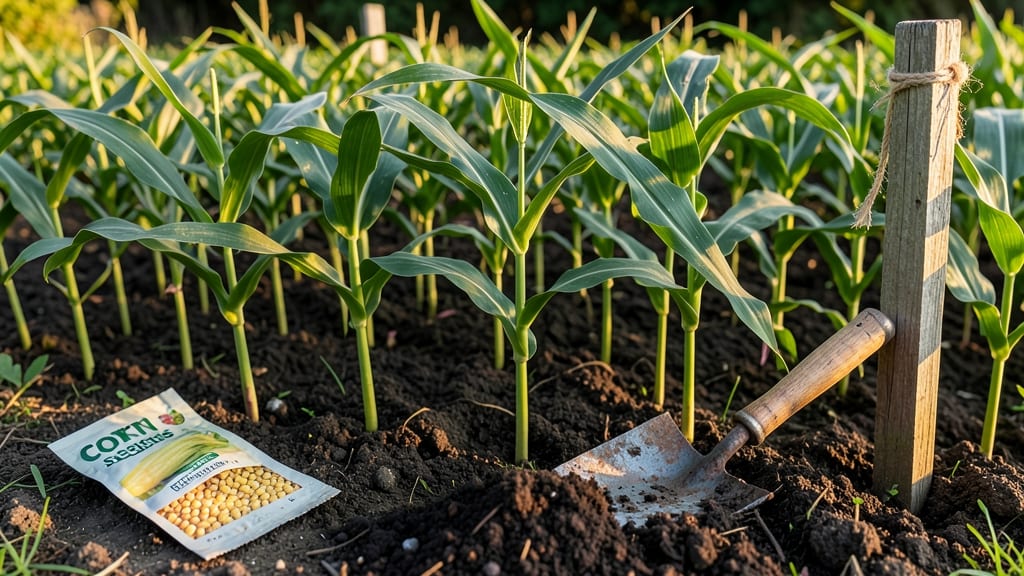
Planting a garden in Iowa starts with knowing when to plant—because missing the frost-free window can leave you with stunted veggies or wasted seeds.
Timing your garden planting in Iowa can mean the difference between a thriving harvest and wasted seeds—knowing the frost-free dates and ideal planting windows for each crop is your secret weapon.
One late frost and your tomatoes might never set fruit, while starting cool-season crops too early risks bolting before you even harvest.
Iowa’s USDA Zones 4-5 bring early springs and chilly nights, so the right schedule depends on whether you’re in the northwest (colder) or the southeast (warmer).
Peas and spinach can go in as early as March, while tomatoes and peppers need to wait until after the last frost—usually late April to early May.
Below, I’ll break down the exact planting windows for your garden 🌱 by crop type, plus how to adjust for Iowa’s unpredictable weather.
You’ll leave here with a clear timeline, soil prep tips, and tricks to extend your growing season—so you can finally get that bumper crop you’ve been dreaming of.
Iowa frost-free dates and last spring frost averages by region
Understanding Iowa's frost-free dates is your first step to a successful garden. The state's climate varies dramatically from Northwest to Southeast, with last spring frost dates ranging from April 15 to May 15.
These dates determine when you can safely plant warm-season crops like tomatoes and peppers without risking frost damage.
Iowa's frost patterns follow predictable regional trends. The Northwest (e.g., Sioux City) typically sees its last frost around May 1, while the Southeast (e.g., Burlington) averages April 15.
Central regions like Des Moines generally fall between these dates around April 25. These variations mean your planting schedule should adjust based on your exact location.
For cool-season crops like peas and lettuce, you can start planting as early as March in most regions, but be prepared for late frosts. Warm-season plants need to wait until after the last frost date. Using frost cloth can extend your planting window by 2-4 weeks for heat-loving plants.
Here's a detailed breakdown of Iowa's frost-free zones and their average last spring frost dates:
These frost-free periods directly impact your planting schedule. For example, in the Northwest, you'll have fewer frost-free days (167) compared to the Southeast's 174 days.
This means Northwest gardeners should focus on fast-maturing varieties of warm-season crops like bush beans (50-60 days) rather than pole beans (60+ days).
The first fall frost dates are equally important. They determine when to plant cool-season crops like broccoli and kale for fall harvests. In most regions, you can start these 6-8 weeks before the first frost.
For example, in Des Moines (October 12), plant broccoli by August 15 for a fall harvest.
Iowa's microclimates also play a role. Urban areas often experience 2-4°F warmer temperatures than rural areas, creating localized planting opportunities. If you're in a city like Cedar Rapids, you might extend your planting window by a week compared to surrounding farmland.
For warm-season crops, wait until soil temperatures reach 60°F (15°C) before planting. Use a soil thermometer to check—this is more reliable than just waiting for the last frost date. In Iowa, soil warms up gradually, so don't rush to plant warm crops like peppers too early.
Pro tip: Bookmark the Iowa State University Extension's frost date map for real-time updates. Their data often shows 3-5 day variations from the averages, helping you fine-tune your planting schedule each year.
Remember, these dates are averages. Always have frost protection (like row covers) ready for at least two weeks after your region's average last frost date, as late frosts can still occur.
Best planting schedule for Iowa gardens by crop type
Iowa’s variable climate means your planting schedule should align with frost-free dates and crop heat tolerance. Early spring crops like peas and spinach can handle cooler temps, while tomatoes and corn need warmer soil.
Even fall crops like kale and radishes thrive when planted at the right time. Let’s break it down by month and crop type to maximize your harvest.
For cool-season vegetables, start seeds indoors in late winter (February) or direct-sow in early spring (March-April). Warm-season crops like beans and squash should wait until after the last frost, typically mid-May to early June.
Herbs like basil and cilantro also need warmth, so plant them after Memorial Day for best results.
Don’t forget about flowers and perennials! Plant bulbs like tulips in fall (October) for spring blooms, and establish perennials like lavender or coneflowers in early spring or early fall. These timelines help you avoid frost damage while maximizing your garden’s potential.
For herbs, basil and cilantro thrive in warm soil, so wait until after Memorial Day. Meanwhile, parsley and chives are cold-tolerant and can be planted in early spring or late summer for a fall harvest.
Adjust planting times based on your local microclimate—urban areas may warm up faster than rural spots.
Pro tip: Use Iowa State University Extension’s frost date maps to fine-tune your schedule. Even a 1-2 week shift can mean the difference between success and failure for heat-sensitive crops like tomatoes. Happy planting! 🌱