
Planting
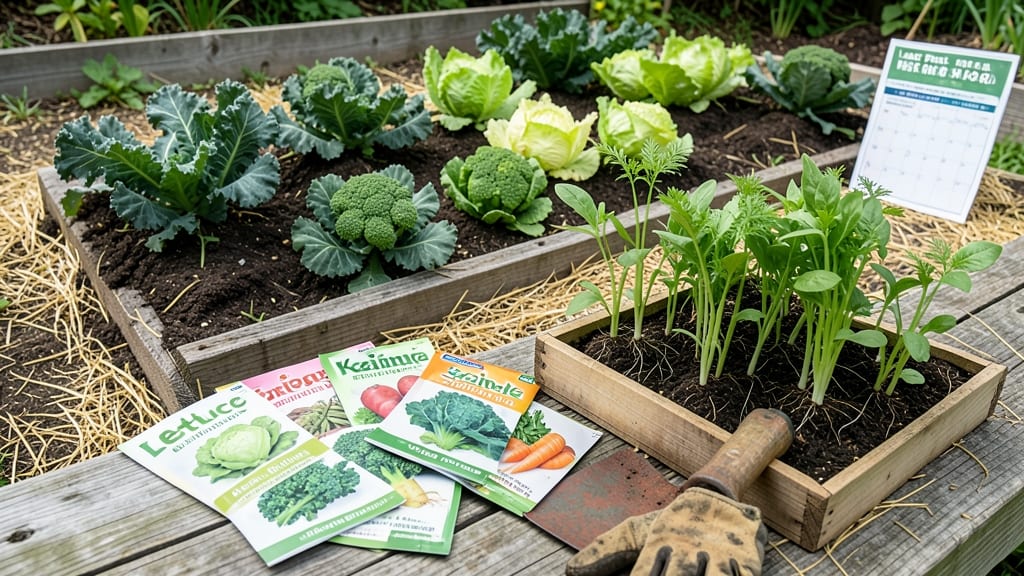
Planting your garden in Maine means timing is everything—knowing when to plant cold-hardy crops like 🌱 potatoes or heat-loving tomatoes can make or break your harvest.
Maine’s unpredictable climate—from icy springs to sweltering summers—can make planting your garden feel like a high-stakes guessing game. But with the right timing, you’ll avoid the frustration of frost-nipped seedlings or bolting greens.
This guide breaks down the best planting windows for USDA Zone 5b-6a, whether you’re sowing spinach in March or waiting for soil to warm in June. We’ll also cover regional tweaks for coastal vs. inland areas.
Discover how to align your planting schedule with Maine’s 150-170 frost-free days, from early starts with frost cloth to extending the season with row covers—so you can grow more without the guesswork.
Maine’s planting zones: cold-hardy crops timeline by month
Maine’s USDA Zones 5b-6a mean you can grow cold-hardy crops like kale, peas, and potatoes even when snow still lingers. The key is understanding your last frost date—typically mid-May inland but late May to June coastal due to ocean moderation.
Coastal areas like Portland enjoy 2-3 weeks earlier planting windows than inland spots like Bangor or Presque Isle.
For direct-sowing cold-hardy crops, start as early as late March to April under frost cloth or row covers. Peas and spinach can handle light frosts, while potatoes and kale thrive when soil temps hit 40-50°F.
Indoor seed starts for slow growers like broccoli should begin 6-8 weeks before last frost—so mid-March for inland and late March for coastal Maine.
Here’s your month-by-month planting timeline for Maine’s frost-tolerant favorites, adjusted for coastal vs. inland regions:
For potatoes, plant seed potatoes as early as late April (coastal) or early May (inland) in well-draining soil. Peas are your earliest direct-sow crop—plant sugar snap or snow peas in March-April for a spring harvest. Spinach and kale handle light frosts, so you can sow them every 2-3 weeks until mid-summer for continuous harvests.
Pro tip: Use Maine’s Frost-Free Date Map from the University of Maine Cooperative Extension to pinpoint your exact last frost date. Coastal areas like Bar Harbor often see 10-14 days earlier planting than Presque Isle.
Adjust your timeline by 1-2 weeks based on your microclimate—south-facing slopes warm up faster than northern exposures.
If you’re starting seeds indoors, begin broccoli, cabbage, and Brussels sprouts 6-8 weeks before last frost (so mid-March for coastal, late March for inland).
These cool-season crops need 6-8 hours of light daily, so supplement with grow lights if natural light is limited. Hardening off seedlings 10-14 days before transplanting is critical—Maine’s wind and temperature swings can shock tender starts.
Don’t overlook fall planting! Spinach, kale, and peas thrive when sown in late August to September for harvest before first frost (usually mid-October inland, late October coastal). Cover crops like clover or winter rye planted in September protect soil and improve next year’s garden.
For potatoes, harvest new potatoes when plants flower, then dig the main crop when foliage yellow
Heat-loving vegetables in Maine: when to plant for maximum yield
Maine’s short growing season might seem like a challenge for heat-loving vegetables, but with the right timing and tricks, you can still grow tomatoes, peppers, and squash like a pro.
These plants thrive when soil temperatures stay above 60°F, which typically happens after Maine’s last frost—usually mid-to-late May in most regions. The key is planting early enough to give them a head start while avoiding late-season frosts that can ruin your harvest.
For coastal areas, where summers are slightly milder, you might get a 2-3 week earlier window compared to inland zones. Inland gardeners should focus on succession planting and season-extending tools like row covers or cold frames to protect tender plants.
Whether you’re growing cherry tomatoes or butternut squash, understanding these windows will help you maximize your yield before Maine’s first frost hits in mid-October.
- 🌱 Tomatoes: Start seeds indoors by late March (6-8 weeks before last frost). Transplant after soil warms to 60°F (usually late May to early June). Use row covers for early starts.
- 🌶 Peppers: Begin seeds indoors in April (8-10 weeks before transplant). Move outdoors after last frost (late May) and use black plastic mulch to warm soil faster.
- 🥒 Cucumbers: Direct-sow after soil reaches 65°F (late May to early June). Choose bush varieties for shorter seasons and trellis for space-saving.
- 🎃 Squash: Plant seeds after frost danger passes (late May) and soil is at least 65°F. Succession plant every 2 weeks for continuous harvests.
- 💡 Pro Tip: Test soil temperature with a soil thermometer—it’s the best way to know when it’s truly safe to plant heat-lovers.
If you’re eager to get started, consider starting seeds indoors in early spring. Tomatoes and peppers, in particular, benefit from a longer growing season when you give them a head start.
By the time you transplant them outdoors in late May or early June, they’ll already be 6-8 inches tall and ready to take off. Just be sure to harden them off for a week before moving them to your garden to avoid shock.
For cucumbers and squash, which are warm-season annuals, direct sowing is often easier. Wait until the soil is consistently above 60°F—use a soil thermometer to check—before planting. These plants grow quickly, so succession planting every 2 weeks can give you a steady harvest.
If your season feels too short, opt for compact or bush varieties that mature faster.
Don’t let Maine’s cool climate discourage you—row covers and cold frames can extend your growing season by 2-4 weeks in both spring and fall. These tools create a mini greenhouse effect, protecting your plants from late frosts and cool nights.
For example, you can plant tomatoes in early May under a row cover and remove it once temperatures stabilize. This gives you an earlier harvest and more time to enjoy your garden.
Remember, soil temperature matters more than air temperature when planting heat-lovers. Even if the air feels warm, cold soil can stunt growth. Amend your soil with compost or aged manure before planting to help it warm up faster.
And always water deeply in the morning to keep roots cool and encourage strong growth. With these strategies, you’ll be well on your way to a bountiful harvest of sun-loving veggies—no matter how unpredictable Maine’s weather can be! ☀️