
Planting
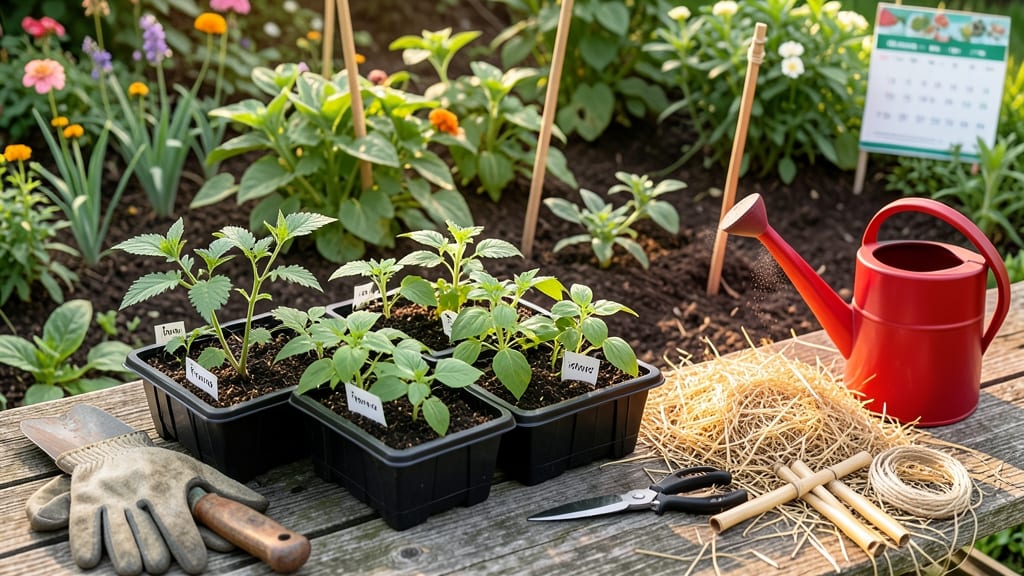
To plant a garden in Tennessee at the right time means aligning your seeds with frost dates, soil warmth, and regional quirks—whether you're in the cooler Appalachian hills or the hotter Delta lowlands.
Miss the window by even a few weeks, and you could end up with leggy seedlings or bolted greens before they mature. Tennessee’s 6a-7b zones stretch from mid-March for early spring crops to late September for fall plantings, but the real trick is reading the microclimates.
Cool-season crops like broccoli and peas thrive when planted 4-6 weeks before the last frost, while tomatoes and peppers need the ground to warm up—wait until two weeks after that final chill.
In East Tennessee, where frost lingers longer, you might push spring starts back by a week or two compared to West Tennessee’s earlier windows.
Below, I’ll break down the exact months for your region, how to prep soil for different seasons, and why fall planting often beats spring for longer harvests with fewer pests. Ready to time it right?
Tennessee’s planting zones and frost dates: the ultimate spring planting timeline
Tennessee spans USDA Hardiness Zones 6a through 7b, creating a unique gardening challenge with varying frost dates across regions.
Whether you're in the cool Appalachian highlands or the warmer Memphis area, knowing your zone and frost dates determines when to plant cool-season crops like lettuce or warm-season favorites like tomatoes. Get it wrong, and you risk stunted growth or frost damage.
Most of Tennessee experiences its last spring frost between mid-March and mid-April, while the first fall frost arrives between mid-October and early November. These dates shift dramatically from East Tennessee's Zone 6a to West Tennessee's Zone 7b, where summers are longer and winters milder.
For example, Chattanooga (Zone 6b) can have 30 days earlier frost dates than Nashville (Zone 7a).
Here’s your quick-reference planting timeline based on Tennessee’s zones and frost patterns, including when to start seeds indoors and transplant outdoors for maximum success.
For cool-season crops like lettuce, spinach, and peas, start seeds 4–6 weeks before your last frost date. In Zone 6a, that means sowing in late February to early March, while Zone 7b gardeners can wait until mid-February.
These crops thrive in cooler temperatures (50–75°F) and can even tolerate light frosts, making them ideal for Tennessee’s early spring.
Warm-season crops—think tomatoes, peppers, and cucumbers—need soil temperatures above 60°F and should be planted 2–3 weeks after your last frost. In Nashville (Zone 6b), that’s around April 15–May 1, while Memphis (Zone 7a) can start as early as March 20.
Use row covers or cold frames to extend the season for heat-loving plants in cooler zones.
Don’t forget soil temperature—it’s just as critical as air temperature. Use a soil thermometer to confirm it’s at least 60°F for warm-season crops before planting. In Tennessee, this typically aligns with late April to early May in most zones, but can be earlier in Zone 7b.
For cool-season crops, soil temps between 40–65°F are ideal, often achieved by March in most regions.
Pro tip: Succession planting works wonders in Tennessee’s climate. After harvesting early crops like radishes or lettuce, replant with fast-growing varieties like bush beans or zucchini to maximize your garden’s productivity. This technique ensures you’re always harvesting something from spring through fall, even in shorter-season zones.
If you’re unsure about your exact frost dates, check the National Weather Service or local Cooperative Extension Service for your county’s historical data. These resources provide hyper-local insights that can save your garden from unexpected cold snaps.
For example, East Tennessee’s higher elevations often experience frost 1–2 weeks later than valley areas just a few miles away.
Finally, container gardening offers flexibility for Tennessee gardeners. Potted plants can be moved to protected spots during late frosts or heatwaves, extending their growing season. Just ensure containers have drainage holes and use lightweight potting mix to prevent overheating in summer.
Fall planting in Tennessee: why it’s often better than spring (and how to do it right)
Fall planting in Tennessee often gets overlooked, but it’s one of the best-kept secrets for a productive garden. Cooler temperatures, fewer pests and diseases, and well-established roots before winter give fall crops a serious edge over spring-planted ones.
In Tennessee’s USDA zones 6a-7b, fall planting lets you grow kale, carrots, broccoli, and more without battling summer heat or early spring weeds.
Unlike spring, when seedlings compete with weeds and face heat stress, fall crops mature quickly in the mild weather. Plus, you can extend harvests into late fall and even winter with proper planning.
The key is starting 6-8 weeks before your first frost, which in Tennessee typically falls between mid-October and early November, depending on your region.
One of the biggest advantages of fall planting is reduced pest pressure. Many insects and diseases that plague spring gardens are less active in cooler weather. However, keep an eye out for cabbage worms and aphids, which can still target brassicas like broccoli and kale.
Use row covers or organic sprays if needed, but prevention is easier in fall.
Don’t forget to mulch your garden beds after planting. A 2-3 inch layer of straw or leaves helps retain moisture, suppress weeds, and protect roots from temperature swings. In Tennessee’s humid climate, mulching also reduces the risk of soil-borne diseases that thrive in damp conditions.
If you’re new to fall planting, start small with easy-to-grow crops like radishes or lettuce. These mature quickly and give you confidence before tackling longer-season varieties. With the right timing and care, your fall garden can be just as productive—and sometimes even more so—than your spring efforts.
🌱