Planting
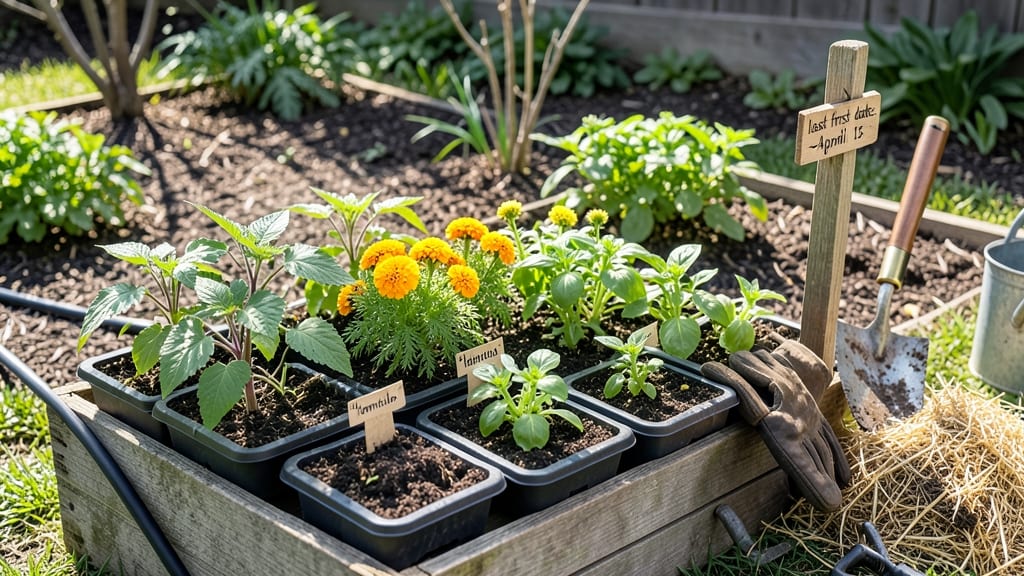
Planting a garden in Pennsylvania at the right time means the difference between a bumper crop and a frost-killed disappointment.
Pennsylvania’s diverse climate—from the cool mountains to the humid valleys—means your garden’s success hinges on timing. Plant too early, and frost will strike; too late, and your harvest may never arrive.
Whether you’re in Pittsburgh’s Zone 6a or Philadelphia’s Zone 7a, knowing your last frost date is the key to a thriving 🌱 General Pennsylvania Garden.
Cool-season crops like spinach and peas can go in as early as March in warmer zones, while tomatoes and peppers need to wait until after the average last frost—usually late April to early May.
But don’t stop there: fall planting for hearty greens and garlic starts as early as August to beat the first frost in October.
Below, I break down the exact planting windows by zone, crop type, and microclimate—plus how to adjust when Mother Nature throws a curveball. Ready to grow like a pro? Let’s get started.
Pennsylvania’s last frost dates by hardiness Zone: key planting windows
Pennsylvania spans USDA Zones 4a to 7a, creating dramatic differences in frost timing. The Poconos (Zone 4a) may see frost until May 15, while southeastern PA (Zone 7a) often warms up by April 15.
These dates determine whether your tomatoes or spinach survive—so knowing your zone is critical.
For accurate planning, check the USDA Plant Hardiness Zone Map or use local agricultural extension services. Urban areas like Philadelphia (Zone 7a) warm faster than rural Erie (Zone 5b), so adjust timelines by 1-2 weeks if you live near concrete or asphalt.
🌱
Cool-season crops like kale and peas thrive when planted 4-6 weeks before your last frost. For example, in Zone 5b (Pittsburgh), start spinach by March 25 to harvest before summer heat. Meanwhile, tomatoes and peppers need soil temperatures above 60°F—wait until after your last frost date.
Fall planting works in reverse: sow broccoli or carrots 8 weeks before your first frost. In Zone 4a, that means August 15 for a late harvest. Urban gardens often have warmer microclimates, so extend your fall window by 10-14 days if you’re near buildings or pavement.
Use frost cloth or row covers to push limits in early spring or late fall. For instance, in Zone 6a, you might plant cabbage as early as March 10 with protection. Always monitor soil temperature—cool soil slows germination even if air temps rise.
🌿
Pro tip: Track your local frost dates for 3+ years to spot trends. The National Weather Service provides historical data, and community gardens
Best planting schedule for Pennsylvania’s top 10 vegetables & herbs
Pennsylvania’s gardeners know timing is everything—especially when it comes to tomatoes, peppers, and herbs that thrive in our USDA Zones 5-7. The key? Start cold-hardy crops early and heat-lovers after the last frost.
For example, lettuce and spinach can handle light frosts, while zucchini and basil need warm soil to sprout. My strategy? Use succession planting to stretch harvests and seed-start indoors 6-8 weeks before the last frost for a head start.
Let’s break it down by plant type. Cool-season crops like kale and radishes go in early spring (March–April) or late summer (August–September) for fall harvests. Meanwhile, warm-season favorites like tomatoes and peppers wait until after May 15 (or when soil hits 60°F).
Pro tip: Use row covers to protect tender seedlings if late frosts linger.
Lettuce, Spinach, Kale, Radishes, Peas, Carrots
Direct-sow 4–6 weeks before last frost (Zone 5: March 15; Zone 7: April 1). For fall, plant August 1–15.
Tomatoes, Peppers, Zucchini, Basil, Cucumbers
Start indoors 6–8 weeks before last frost (Zone 5: March 1; Zone 7: March 15). Transplant after soil warms to 60°F.
Basil (warm), Parsley/Cilantro (cool), Chives (perennial)
Sow basil after last frost; parsley/cilantro in early spring or fall. Chives thrive in partial shade.
Extend harvests with staggered plantings
Sow lettuce every 2 weeks (spring/fall) and beans every 3 weeks (June–July). For zucchini, plant 2–3 seeds every 10 days.
Protect tender plants with row covers or cold frames
Use frost cloth for tomatoes/peppers if nights dip below 50°F. For herbs, bring pots indoors before 28°F.
For herbs, timing varies wildly. Basil and cilantro are polar opposites—basil bolts in heat, while cilantro bolts in cold. My trick? Grow basil in containers so I can move it to shade when temps hit 85°F.
Meanwhile, parsley and chives are biennials that handle light frosts, making them perfect for early spring or fall gardens.
Don’t forget succession planting—it’s the secret to a continuous harvest. For example, sow lettuce every 2 weeks from April through September, and beans every 3 weeks from June to August.
This way, you’ll always have fresh greens or crisp pods, even when the first batch bolts. And if you’re short on space, interplant fast growers like radishes with slower carrots.
Finally, keep an eye on soil temperature. A soil thermometer is my best friend—warm-season crops like peppers need soil at 60°F+ to germinate, while cool-season crops like spinach prefer 40–50°F.
If your soil is too cold, wait a week or two. Patience pays off with stronger plants and bigger yields.
With this schedule, you’ll avoid the heartbreak of frost-nipped seedlings or bolted herbs. Happy planting—your future salads and salsa are counting on you! 🌱