
Planting
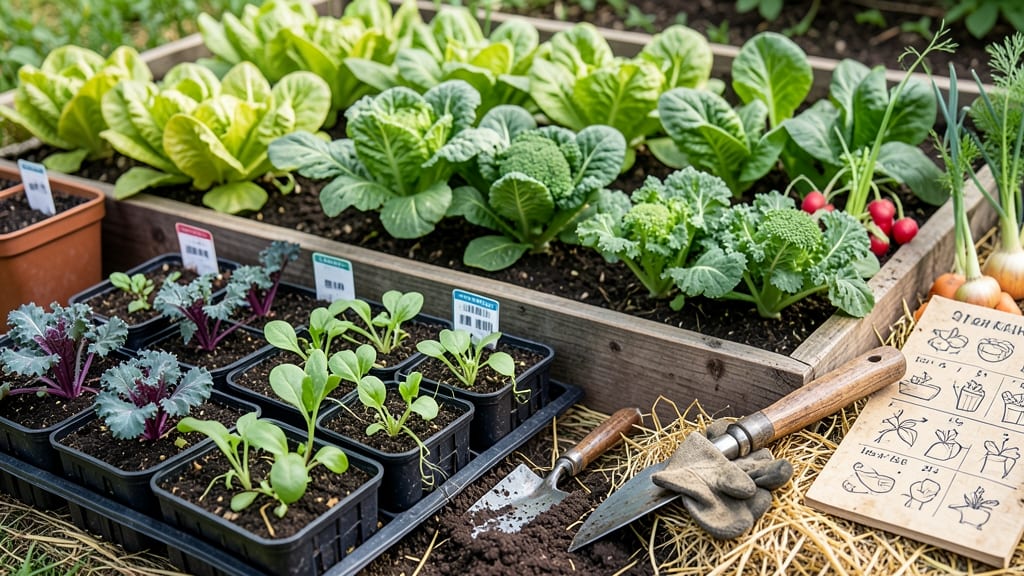
To plant a garden in Upstate NY, time your sowing between mid-April and mid-May — after the last average frost date for Zone 6B, but before summer heat arrives.
Upstate NY’s chilly springs and unpredictable frosts can turn gardening into a guessing game unless you know the exact last frost dates for your crops. Plant too early, and your seedlings could freeze; too late, and you’ll miss peak harvests.
This guide breaks down the critical planting windows for cool-season crops like peas and kale (plant in early spring) versus warm-season favorites like tomatoes and peppers (wait until soil warms in late May).
You’ll also discover how to adjust for microclimates — like the cooler Adirondacks versus the slightly warmer Finger Lakes — and extend your growing season with row covers and succession planting.
Upstate NY last frost dates by month: zone 6B planting schedule
Upstate NY’s Zone 6B climate means your last spring frost typically arrives between April 15 and May 15, but this window can shift dramatically—even by weeks—depending on your exact location (e.g., the Finger Lakes vs. the Adirondacks).
For example, Rochester usually sees its last frost by May 1, while higher elevations like Lake Placid may wait until May 20.
Tracking these dates is critical because planting warm-season crops like tomatoes too early risks frost damage, while cool-season crops like spinach can bolt if planted too late.
To navigate this uncertainty, I recommend using the 10-year average last frost date for your specific area as your baseline, then adjust based on weather forecasts and microclimates. For instance, south-facing slopes warm up faster than shaded valleys.
The Cornell Cooperative Extension provides county-specific frost data—bookmark their NY Garden Calendar for real-time updates. Remember, a hard frost (below 28°F) can kill most plants, while a light frost (above 32°F) might only damage tender seedlings.
Here’s how to use frost dates: Plant cool-season crops (like peas or lettuce) 4–6 weeks before your last frost date. For warm-season crops (tomatoes, peppers), wait until 2 weeks after your last frost—soil temperature should be at least 60°F. If you’re in doubt, use row covers or start seeds indoors 6–8 weeks before the last frost to extend your growing season. For example, if your last frost is May 10, begin tomato seeds indoors on March 15.
For early years with late frosts (e.g., May 20), delay planting warm-season crops until June 1 or use black plastic mulch to warm soil faster. Conversely, in late frost years (e.g., April 30), prioritize cool-season crops like broccoli or cabbage, which tolerate light frosts.
My go-to trick is planting fast-maturing varieties (e.g., bush beans in 50 days) to hedge against delays. Always check seed packets for days to maturity—this tells you exactly when to plant to avoid fall freezes.
Another key strategy is succession planting. For example, sow lettuce every 2 weeks from April to July to ensure a continuous harvest. This works especially well for short-season crops like radishes (25 days) or bush peas (60 days).
If you’re new to this, mark your calendar for May 15 (average last frost) and September 15 (
Best crops to plant in Upstate NY by season: frost-resistant choices
Upstate NY’s Zone 6B climate means we gardeners must work with a shorter growing season and unpredictable frost dates. The key to success?
Choosing frost-resistant crops that thrive in cool temperatures and aligning their planting windows with our last frost dates (April 15–May 15) and first frost dates (October 15–November 1). These crops will reward you with bountiful harvests even when temperatures dip.
For spring planting, focus on cool-season vegetables that can handle light frosts, like kale, peas, and spinach. These hardy plants can often be sown as early as mid-March under row covers or directly in the garden once soil temperatures reach 40°F (4°C).
In late spring, transition to warm-season crops like tomatoes and peppers, but wait until after the last frost to avoid shocking tender seedlings.
Fall is another golden opportunity for Upstate NY gardeners. Plant frost-tolerant crops like broccoli, carrots, and radishes in late July to early August for harvests before winter sets in.
These crops can often survive light frosts (28°F/-2°C), making them ideal for extending your harvest season well into October or even November.
- 🌱 Early Spring (March–April): Peas (sow March 15–April 15), spinach (March 15–April 30), lettuce (April 1–May 15). These tolerate light frosts (30°F/-1°C) and thrive in cool soil.
- ☀️ Late Spring (May–June): Tomatoes (plant May 15–June 15), cucumbers (May 20–June 10), beans (May 15–June 30). Wait until soil is 60°F (15°C) and frost risk is gone.
- 🍂 Summer (July–August): Broccoli (July 1–August 15), kale (July 15–August 30), carrots (June 15–July 30). These handle fall frosts (28°F/-2°C) and sweeten after light freezing.
- ❄️ Fall (September–October): Radishes (August 15–September 15), turnips (August 1–September 10), garlic (October 1–November 1). Plant 6–8 weeks before first frost for best results.
One of my favorite frost-resistant crops is kale, which actually tastes sweeter after a light frost. I plant it in both early spring (March 15) and late summer (July 15) for two harvests.
Similarly, peas are a reliable early crop—just be sure to use trellises to save space and improve airflow, reducing disease risk in Upstate NY’s humid summers.
For warm-season crops like tomatoes, I always opt for early-maturing varieties such as ‘Early Girl’ or ‘Stupice,’ which can go from seed to harvest in 55–65 days. Plant them in late May and use black plastic mulch to warm the soil faster and protect against late frosts.
Pair them with basil, another frost-sensitive plant that thrives in the same conditions.
Don’t forget about herbs and greens like cilantro and parsley, which handle frost beautifully. I sow cilantro in early spring (March 15) and again in late summer (August 1) for a second harvest before winter.
These crops are perfect for container gardening if your space is limited, and they add fresh flavor to meals all season long.
To avoid common mistakes, always check your local last frost date using resources like the Cornell Cooperative Extension or a frost calendar. In Upstate NY, microclimates vary—valleys may frost later than hilltops—so observe your garden’s patterns over time.
With the right frost-resistant crops and timing, you’ll enjoy a productive garden from early spring to late fall. Happy planting! 🌿