
Planting
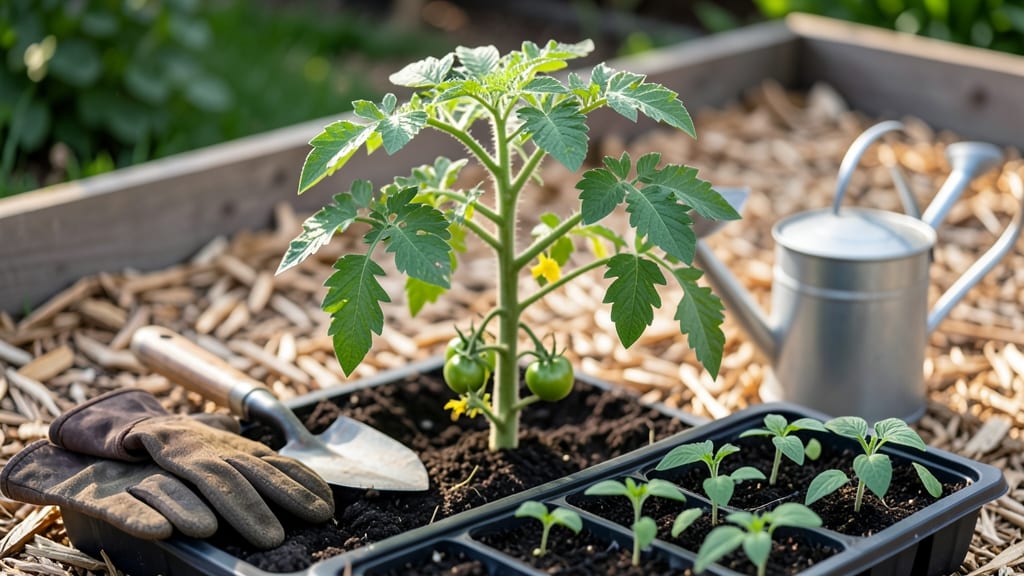
Planting your garden in Zone 7 at the right time means the difference between a bumper crop and a wasted season — and that window opens sooner than you might think.
Timing your garden planting in Zone 7 can mean the difference between a thriving harvest and a lost season. Getting the last-frost dates wrong means risking frost damage to tender plants or planting too early when soil is still too cold.
With 190 frost-free days to work with, knowing when to start cool-season crops like lettuce and when to hold off on tomatoes is the key to success.
Most Zone 7 gardeners wait until after the average last frost date of March 15 to plant warm-season crops, but cool-season veggies like peas and spinach can go in as early as February if the ground isn’t frozen.
The trick is balancing soil temperature, frost risk, and your local microclimate — because even within Zone 7, a valley might be two weeks behind the hilltops.
In this guide, you’ll find the exact planting windows for every major crop, plus tips for extending your season with row covers and cold frames. Whether you’re a first-time gardener or a veteran, these timing strategies will help you maximize your harvest year after year.
Zone 7 last-frost dates: when to plant cool-season vs warm-season crops
Understanding Zone 7 last-frost dates is the key to unlocking a successful garden. In most of Zone 7, the average last spring frost falls between March 15 and April 15, while the first fall frost typically arrives between November 1 and November 30.
These dates create a 190-day frost-free window—your golden opportunity for planting. Missing these windows means risking frost damage to tender seedlings or stunted growth from cold soil.
Cool-season crops like lettuce and peas thrive when temperatures are mild, while warm-season crops such as tomatoes and peppers need soil warmed by consistent sunshine. Planting at the wrong time can leave your garden struggling or failing entirely.
For example, planting tomato seeds too early in cold soil can lead to rot, while planting spinach too late in summer means bolting before harvest.
Here’s a Zone 7 planting timeline broken down by crop type, including ideal planting windows and key frost dates to guide your garden planning:
For cool-season crops, I recommend starting seeds indoors 6–8 weeks before your last frost date—this gives seedlings a head start. For example, if your last frost is April 1, begin broccoli seeds indoors around February 1.
Meanwhile, warm-season crops like tomatoes should wait until the soil temperature consistently stays above 60°F, usually 2–4 weeks after your last frost date. Use a soil thermometer to monitor—this small tool can save your garden from failed starts.
Zone 7 gardeners can also take advantage of fall planting for cool-season crops. In my experience, sowing spinach or kale in late August often yields a second harvest before winter. These crops tolerate light frosts and may even taste sweeter after a frost.
Just be sure to plant 6–8 weeks before your first fall frost to allow for maturity. For instance, if frost arrives November 15, aim to plant by September 15 for a successful harvest.
Microclimates within Zone 7 can shift these dates by 1–2 weeks, especially in mountainous regions or near large bodies of water. For example, areas in the Appalachians may have later last frosts, while coastal areas might experience earlier springs.
Always check your local Almanac’s frost prediction or use a frost calendar for your specific county. I’ve found that even a 10-mile difference in elevation can create noticeable shifts in frost timing.
Pro tip: Use row covers or cold frames to extend your planting windows. These tools can push your last frost date back by 2–3 weeks in spring or delay the first frost by 1–2 weeks in fall.
For instance, I’ve successfully grown peppers in early April by using a simple floating row cover, giving me
How to adjust planting times for early or late Zone 7 frost variations
Zone 7 gardeners face unique challenges because frost dates can shift dramatically from year to year—sometimes by weeks. A late spring frost in March or an early fall frost in October can devastate tender seedlings.
The key is flexibility: knowing how to adjust your planting schedule based on real-time weather patterns and microclimates in your specific area.
Even within Zone 7, frost dates vary by 10-14 days depending on elevation, proximity to water, or urban heat islands. For example, a garden in Asheville, NC (higher elevation) might experience frost 2 weeks later than one in Richmond, VA.
This variability means rigid planting schedules often fail—adaptability is everything.
⚠️ callout warning
🌡️ Frost Date Shockers
Zone 7's average last frost is March 15, but real data shows:
- 📉 30% chance of frost after April 1 in some areas
- ❄️ First fall frost can arrive as early as October 15 (2 weeks sooner than averages)
- 🔥 Urban areas may stay frost-free 10 days longer than rural zones
Action Tip:
Use the National Weather Service's Frost/Freeze Forecast (weather.gov) for localized alerts 7-10 days before planting.
To handle these variations, I recommend using a two-phase planting strategy. Start with hardy cool-season crops like kale or peas in early March, even if frost is possible. These can tolerate light frosts and give you an early harvest.
Then, once you've confirmed your last frost date (using tools like the Almanac's Frost Calculator), move to warm-season plants like tomatoes or peppers.
For late frosts, row covers are my go-to solution. A lightweight frost blanket can raise soil temperatures by 5-8°F and protect seedlings until danger passes. For example, I use floating row covers over my broccoli and cabbage until mid-April, extending their growing season by 2-3 weeks.
Just remember to remove covers during the day to prevent overheating.
Cold frames are another game-changer for fall planting. By covering sensitive plants like basil or eggplant with a clear plastic dome, I've successfully grown these into November—well past the average first frost.
A simple DIY cold frame costs under $50 and can add 4-6 weeks to your growing season. Pair it with black plastic mulch to absorb heat during the day and release it at night.
Finally, track your own microclimate data for 2-3 years. Note when frost occurs, how long it lasts, and which areas of your garden stay warmer. For instance, my south-facing slope stays frost-free 5 days longer than the rest of my yard.
This local knowledge lets me fine-tune planting times with precision, ensuring my tomatoes and peppers thrive even with late frosts.