
Plants
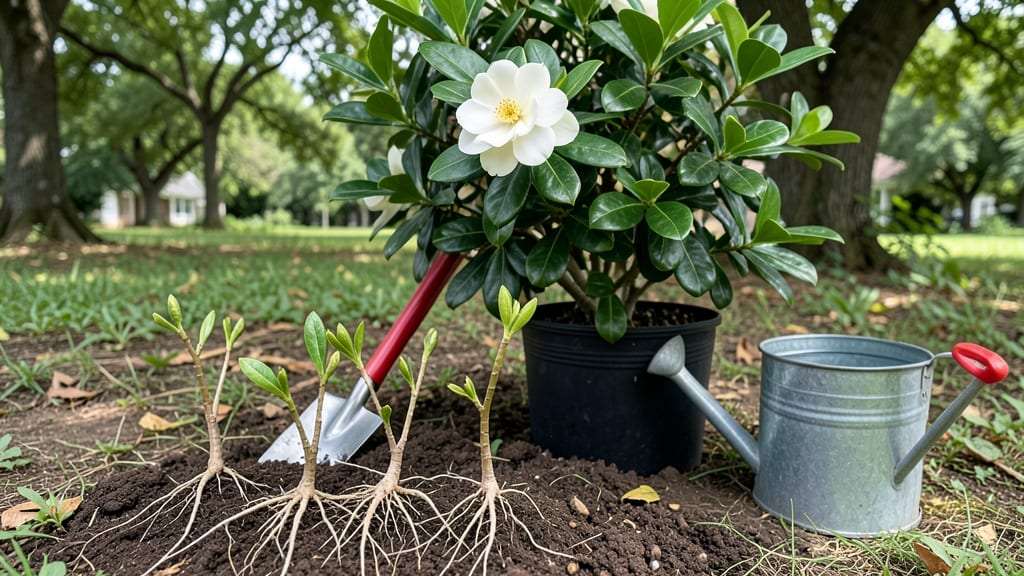
Plant gardenias in Georgia between mid-March and April to catch the sweet spot after the last frost and before summer’s brutal heat.
That window may seem narrow, but timing is everything for these fragrant shrubs 🌸. Plant too early, and a late frost can blacken tender roots. Too late, and the heat arrives before the plant establishes itself, leaving you with leggy stems and few blooms.
I’ve seen gardeners in the Piedmont rush it in February only to watch their plants struggle through a 50-degree dip in March.
Georgia’s climate varies wildly—coastal areas like Savannah have milder winters, while the mountains near USDA Zone 7b can still see frost into April. Below, I break down the best months by region, how to test soil warmth, and whether container planting buys you extra weeks to get it right.
You’ll also learn how to spot the perfect planting moment (hint: it’s not just about the calendar) and the simple soil prep that makes all the difference for fragrant blooms all summer long.
Best planting months for gardenias in Georgia’s climate zones
Georgia’s climate varies dramatically from the coastal regions to the Piedmont and mountain areas, meaning your gardenia planting window depends heavily on where you live. Most of Georgia falls within USDA zones 7a-8b, but even within these zones, frost dates and soil warmth can shift by weeks.
For example, Savannah (zone 8a) may see last frost in early March, while Atlanta (zone 7b) often waits until mid-April. Getting this timing right means the difference between thriving plants and frost-nipped failures.
Gardenias thrive in warm soil temperatures—ideally above 60°F (15°C)—which is why planting too early in cooler zones can stunt root growth.
In coastal Georgia, where humidity lingers longer, you might start as early as late February, while mountain regions like Blue Ridge should wait until late April to avoid late frosts.
The key is watching for consistent daytime highs above 65°F (18°C) and nighttime lows staying above 50°F (10°C).
Here’s a quick reference for Georgia’s three main microclimates, including soil temperature, frost risk windows, and ideal planting months:
For coastal gardeners, the window to plant gardenias opens as early as late February, but I always recommend waiting until March to ensure soil warmth. Coastal areas benefit from the Gulf’s moderating influence, but spring rains can delay planting if the ground stays soggy.
A simple soil thermometer ($10 at garden centers) is worth the investment—aim for roots to warm to at least 60°F (15°C) before planting.
In the Piedmont, where Atlanta’s last frost typically hits around March 15, I hold off until April to play it safe. The Piedmont’s more extreme temperature swings mean that planting too early can lead to root shock or even frost damage.
If you’re in doubt, use row covers or plant in containers to extend your window by a few weeks.
Mountain regions like Blue Ridge present the biggest challenge, with last frosts often occurring in late April. Here, I’ve had success planting in May or even starting gardenias in containers indoors in March and transplanting after the last frost.
The higher elevations also mean cooler soils, so amend with compost or peat moss to improve warmth retention.
One trick I’ve learned is to test soil readiness by planting radishes or marigolds a few weeks before your target date. If these fast-growing plants thrive, your gardenias will too.
Another pro tip: mulch heavily after planting to keep roots warm and retain moisture, especially in sandy soils common in coastal areas.
If you miss the ideal window, don’t panic—container planting can buy you extra time. Potted gardenias warm up faster and can be moved indoors during unexpected cold snaps. Just ensure your containers have drainage holes and use acidic potting mix (pH 5.0-6.0) to mimic their natural soil preferences.
Finally, remember that afternoon shade is critical in Georgia’s intense summers. Plant gardenias where they’ll get morning sun but afternoon shade, especially in the Piedmont and coastal regions where temperatures can soar. This simple adjustment can mean the difference between abundant blo
Signs your gardenia planting timing is perfect (or wrong)
Your gardenia plant’s growth signals tell you exactly when it’s time to plant—or when you’ve waited too long. Look for new leaf buds along stems, which mean the plant is waking up from dormancy and ready for transplanting.
These buds appear pale green and fuzzy, signaling the soil has warmed to 60°F or above, ideal for root establishment.
Another key indicator is soil temperature. Use a soil thermometer to check if it’s consistently 65°F+ at a 4-inch depth. Cold soil slows root growth, making your gardenia vulnerable to root rot or stunted development.
In Georgia, this usually happens by mid-March in coastal areas and late March in Piedmont regions.
If your gardenia’s leaves start yellowing or wilting after planting, it’s often a sign you planted too early. This happens when roots can’t absorb nutrients in chilly soil, causing stress.
Conversely, delaying past April risks exposing young plants to Georgia’s late spring heatwaves, which can scorch tender leaves before they acclimate.
🌱 Gardenia Planting Checklist for Georgia
- ✅ Soil temp: 65°F+ at 4" depth
- ✅ Leaf buds: Pale green and fuzzy
- ✅ Frost risk: After last average frost date
- ✅ Sunlight: Partial shade spot prepared
- ✅ pH test: Acidic soil (5.0-6.0)
Watch for root growth at the edges of your gardenia’s pot. If roots circle the container or poke through drainage holes, it’s time to transplant. Healthy roots should be white or light tan, not brown or mushy.
Prune any circular roots before planting to encourage outward growth into Georgia’s nutrient-rich soil.
In Georgia’s coastal regions, you can plant as early as February if you use black plastic mulch to warm the soil faster. However, in North Georgia’s higher elevations, wait until after April 15 to avoid late frosts.
Always check your local Cooperative Extension Service for updated frost dates each year.
If your gardenia’s leaves curl inward or develop brown edges after planting, it’s often a sign of transplant shock from improper timing. To fix this, water deeply, provide afternoon shade, and avoid fertilizing for 4-6 weeks to let roots recover.
With the right timing, your gardenia will reward you with fragrant blooms by summer.