
Planting
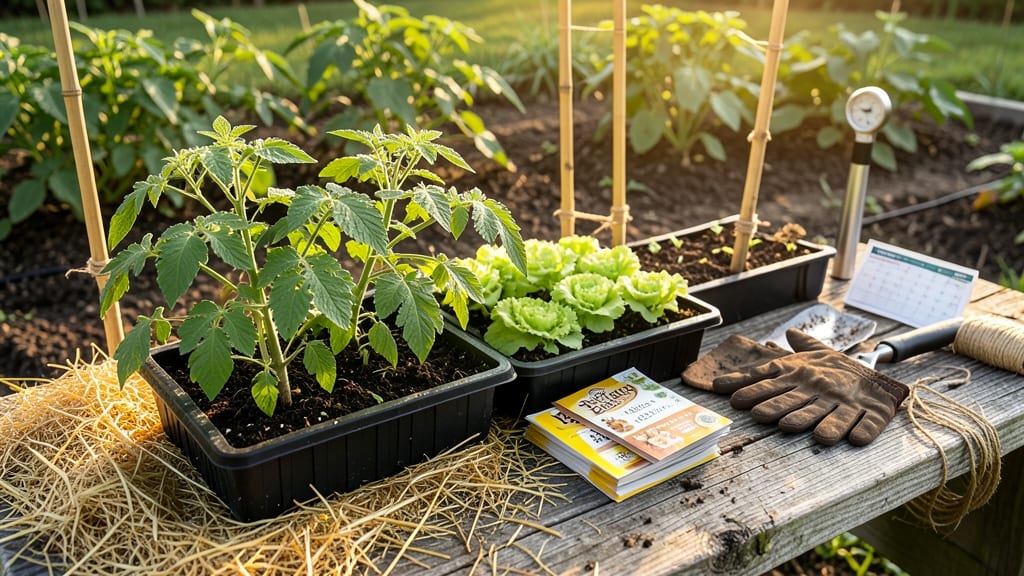
To plant your garden in Michigan at the perfect time means knowing your zone’s last frost date—because getting it wrong can mean lost seedlings or stunted harvests.
Michigan gardeners know timing is everything—plant too early and risk frost damage, too late and miss peak harvests. But with Michigan's diverse climate zones, knowing exactly when to plant can mean the difference between a thriving garden and a disappointing one.
Whether you’re sowing cool-season greens in early spring or warm-season tomatoes after the danger of frost has passed, the key is understanding your USDA zone and adjusting for local microclimates.
In this guide, you’ll discover the best planting windows for Michigan, from frost dates by zone to crop-specific schedules and tips for handling unpredictable weather.
Michigan last frost dates by zone: the critical timeline for planting
Michigan's USDA hardiness zones range from 4b in the north to 6a in the south, creating a 3-4 week difference in last frost dates across the state. These dates determine when you can safely plant warm-season crops like tomatoes and peppers without risking frost damage.
Understanding your zone helps you plan cool-season crops (like spinach) for early spring and fall plantings too.
For Zone 4b (northern Michigan), the average last frost date is around May 15, while Zone 6a (southern Michigan) typically sees its last frost by May 1.
These dates shift yearly, so always check local weather forecasts in late April for real-time updates. Historical data shows a 10-day window of variability, so plan accordingly.
Here's how to use these dates: Cool-season crops like lettuce and peas can go in 4-6 weeks before your last frost, while warm-season crops need to wait until 2 weeks after the average date.
For example, in Zone 5a, that means starting tomatoes indoors in March and transplanting after May 10.
🌱
Your microclimate matters too—low-lying areas or near-water zones may frost 1-2 weeks later than hilltops. I always check my local weather station and observe cherry blossoms (they bloom after last frost) to fine-tune my schedule.
For Zone 5b, where I garden, I've learned to plant cold-hardy crops like kale by April 1 and wait until May 5 for tomatoes.
For warm-season crops, use the 10-day rule: Wait 10 days after your average last frost before planting heat-lovers like peppers and eggplants. These plants need consistent warmth to thrive. I've had tomato seedlings fried by unexpected 50°F nights when planted too early—always better to wait!
Don't forget about fall planting! Michigan's first frost typically arrives between October 15-30, depending on your zone. I plant spinach and radishes in early September for a cool-season harvest before winter sets in. For Zone 6a, that means sowing by September 1 for a November harvest.
🌿
Pro tip: Use frost cloth or row covers to extend your planting window by 2-3 weeks in early spring or fall. I've successfully grown cucumbers in May and green beans in September using these protective covers. Just remember to remove them during daytime to prevent overheating.
Track your own frost dates for 3 years to establish your local pattern. I keep a garden journal noting when dahlias (frost-sensitive perennials) emerge in spring—this helps me predict when to plant annuals each year. Over time, you'll develop a personalized planting calendar that beats the averages.
🌱
Best planting times for Michigan vegetables: cool-season vs. warm-season crops
Michigan's gardening season thrives on timing, and understanding the difference between cool-season and warm-season crops is key. Cool-season plants like lettuce and peas love the chill, while warm-season favorites such as tomatoes and peppers need heat to flourish.
Planting at the wrong time can leave you with bolted greens or stunted tomatoes, so let's break it down by crop type and method.
For cool-season vegetables, start seeds indoors 4-6 weeks before your average last frost date, which typically falls between April 15 and May 15 depending on your zone.
Direct-sow hardy crops like spinach and kale as soon as the soil is workable, often by early March in southern Michigan or late April in the north.
Warm-season crops, on the other hand, require soil temperatures above 55°F, so wait until after your last frost date—usually late May to early June—to plant seeds or seedlings outdoors.
Cool-Season Crops
Start seeds indoors 4-6 weeks before last frost. Direct-sow spinach, peas, and lettuce as soon as soil is workable (early March to late April).
Warm-Season Crops
Wait until soil is 55°F+ (late May to early June). Start tomatoes, peppers, and basil indoors 6-8 weeks before transplanting.
Early Varieties
Plant bush beans, zucchini, and radishes 1-2 weeks after last frost for a quick harvest before summer heat sets in.
Late-Season Extenders
Sow fall lettuce, kale, and carrots 6-8 weeks before your first frost (late July to early August) for a second harvest.
Soil Temperature Tip
Use a soil thermometer to confirm warmth before planting warm-season crops—cold soil stunts growth.
Don't overlook early varieties of warm-season crops like bush beans and radishes, which can be planted 1-2 weeks after your last frost date. These fast growers thrive in cooler summer conditions and provide harvests before the heat peaks.
For a second harvest in fall, try late-season varieties of cool-season crops like kale and carrots, sowing them 6-8 weeks before your first frost, usually in late July or early August.
Adjust your schedule based on your USDA zone. In Zone 4b (northern Michigan), start cool-season crops indoors in early March and delay warm-season planting until late May. In Zone 6a (southern Michigan), you can plant warm-season crops as early as mid-May.
Always monitor soil temperatures—a simple soil thermometer is your best friend for avoiding planting mistakes.
Pro tip: Use row covers or cold frames to extend your planting window for both cool- and warm-season crops. This lets you start warm-season plants like peppers earlier in the season or protect cool-season crops from late frosts.
Just remember to remove covers during pollination for crops like cucumbers and squash to ensure fruit set.
With these guidelines, you'll maximize your Michigan garden's potential, ensuring fresh homegrown produce from spring to fall. Happy planting! 🌱