
Tools
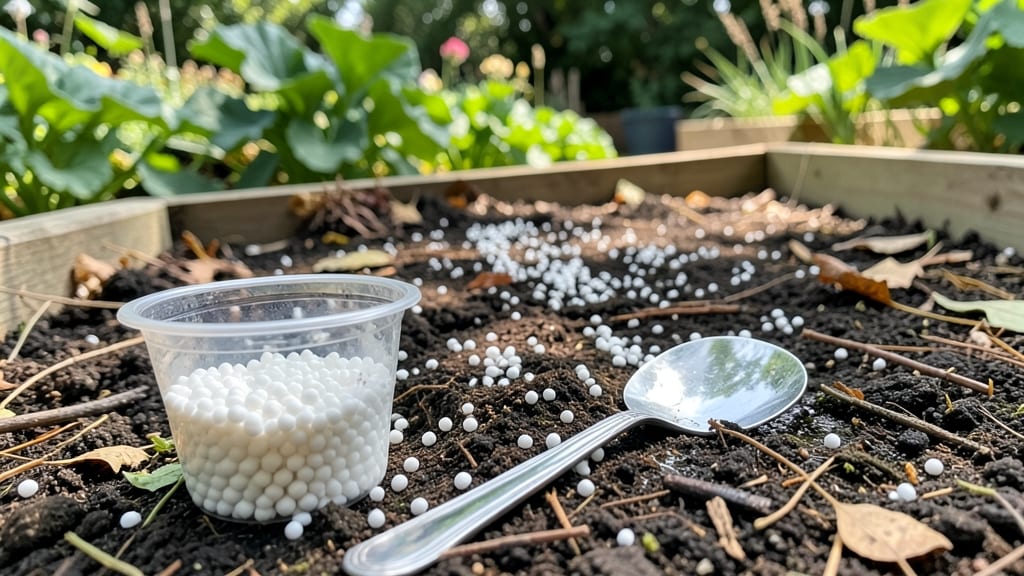
When you spot white balls in garden soil, they're usually gypsum deposits, undissolved fertilizer, or pest eggs—always check what they are first before trying to remove them, as improper handling can harm plants or soil structure. A simple soil pH test or extension office visit can help you diagnose the issue.
Those mysterious white specks in your garden aren't just random debris—they're often gypsum crystals forming from mineral buildup during droughts, or fertilizer granules that didn't dissolve properly after watering. 🔥 The most common culprit is actually fungus gnat eggs, which thrive in moist, organic-rich soil and can become a serious problem if left unchecked.
While gypsum is harmless and may even improve soil structure over time, fertilizer residues can burn plant roots if concentrated in one area, while pest eggs require immediate organic treatment to prevent larvae from hatching and damaging roots.
Before you grab a trowel, consider whether these white balls are actually beneficial. Gypsum, for example, helps break up compacted clay soils, while some slow-release fertilizers are designed to remain intact until needed.
The key is distinguishing between harmless mineral deposits and potential threats to your garden's health—this is where a soil test becomes your best friend, as it reveals not just what's present but why it's there in the first place.
💡 In This Article
- Identifying Common Causes of White Balls in Soil
- Safe Removal Methods for Different Types of Soil Balls
Identifying common causes of white balls in soil
The most common white balls you'll find in garden soil are actually gypsum crystals, which form when calcium sulfate combines with water during dry periods. This mineral buildup occurs naturally in many soils, especially in arid climates where evaporation rates exceed rainfall.
Gypsum appears as small, chalky white spheres—often 1/8 to 1/4 inch in diameter—because its crystalline structure creates these distinct shapes as water evaporates and leaves behind concentrated mineral deposits.
Undissolved fertilizer granules are another frequent culprit, particularly if you've applied slow-release fertilizers like calcium nitrate or urea. These granules can remain intact for months, especially in dry soil conditions where water isn't available to break them down.
When you water heavily afterward, the granules may suddenly appear as white balls on the soil surface. The texture here is typically harder and more granular than gypsum, with a slightly gritty feel when crushed between fingers. 💫
Pest-related white balls are often the most concerning, as they can indicate fungus gnat infestations. These tiny, translucent eggs—about 0.04 inches (1mm) wide—look like tiny white beads when laid in clusters near soil surfaces.
Fungus gnats thrive in moist, organic-rich soil, and their eggs hatch into larvae that feed on plant roots, potentially stunting growth. The key difference here is location: these eggs are usually found in the top 1/2 inch of soil, often near decaying plant matter or mulch layers.
Environmental factors play a huge role in which type of white balls you'll encounter. Drought conditions accelerate gypsum formation as water evaporates rapidly, while overwatering creates ideal conditions for fungus gnat eggs to survive. Poor irrigation practices—like infrequent deep watering—can also leave fertilizer granules undissolved in the upper soil layers.
The soil's pH level matters too: alkaline soils (pH 7.5+) tend to accumulate more gypsum, while acidic soils (pH 6.0-) may show more fertilizer residue buildup.
To distinguish between these causes, perform a simple visual and tactile test. Gypsum crystals will feel slightly powdery when rubbed between fingers and dissolve slowly in water. Fertilizer granules will have a more defined shape and may leave a faint chemical smell when crushed.
Pest eggs will be clustered near the surface and won't dissolve—this is your key indicator that organic pest control measures are needed immediately. 🔥
For a definitive answer, consider collecting a small sample of these white balls in a sealed container and taking it to your local cooperative extension office. They can perform a soil analysis that will reveal the exact composition, along with recommendations for your specific garden conditions.
This is particularly valuable if you're dealing with multiple types of white balls simultaneously, as each requires different handling approaches.