
Tools
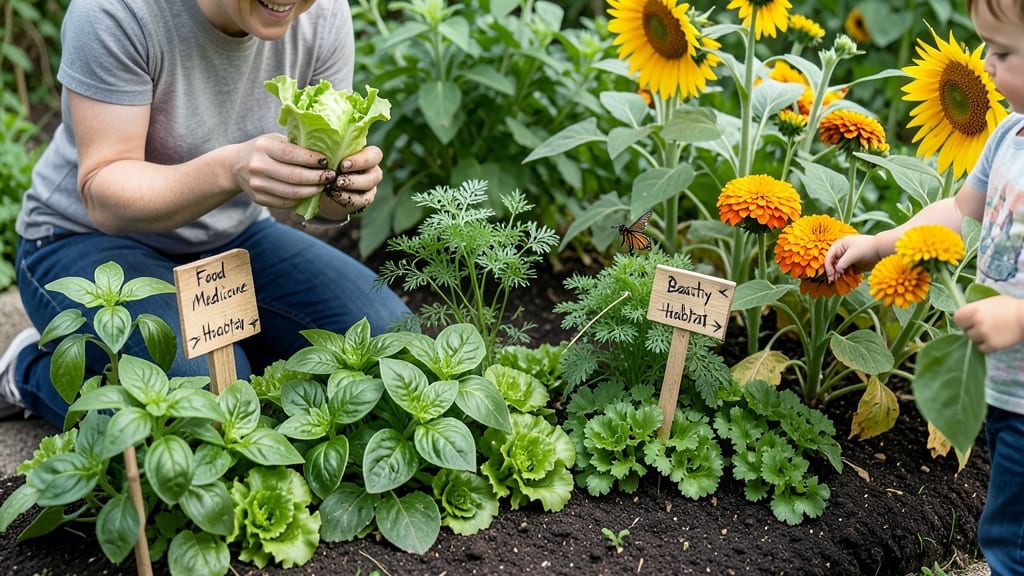
Gardening is important because it boosts mental well-being by reducing stress and anxiety, enhances physical health through light activity, and fosters productivity by providing tangible, rewarding results while connecting people to nature.
Gardening does more than just beautify your space—it actively improves your mood by triggering natural endorphin release, similar to light exercise. 🌱 Studies show that just 30 minutes of gardening can lower cortisol levels, making it a powerful antidote to modern-day stress.
Beyond mental benefits, the physical activity involved strengthens muscles and improves flexibility, while the sense of accomplishment from nurturing plants creates a positive feedback loop that many find addictive.
What’s often overlooked is how gardening sharpens focus. Tending to plants requires patience and attention to detail, skills that translate directly to better time management and goal-setting in daily life. Many gardeners report increased productivity after spending time outdoors, as the break from screens and deadlines helps reset their minds.
Plus, the fresh air and sunlight exposure boost vitamin D levels, which are crucial for overall energy and cognitive function.
💡 In This Article
- Science-Backed Mental Health Benefits of Gardening
- How Gardening Improves Focus and Daily Productivity
Science-backed mental health benefits of gardening
Gardening triggers a cascade of neurochemical reactions in the brain that directly combat stress. When you dig soil, your hands interact with Mycobacterium vaccae, a naturally occurring bacteria that stimulates the production of serotonin—a mood-regulating neurotransmitter.
This is why many gardeners describe feeling an immediate sense of calm after just 20-30 minutes of work, similar to the effects of light exercise. 🌿 Research from the University of Florida found that gardening reduced symptoms of depression by 47% in study participants compared to non-gardeners, with the most significant improvements seen in those who gardened 3 times per week.
The rhythmic, repetitive motions of gardening—like planting seeds or pruning—create a meditative state that lowers cortisol, the body's primary stress hormone. Studies in Frontiers in Psychology show that exposure to green spaces reduces cortisol levels by 12-15% within 30 minutes, an effect comparable to mindfulness meditation.
The tactile experience of handling plants also activates the parasympathetic nervous system, which counteracts the "fight-or-flight" response triggered by modern stressors like screen time and deadlines. Unlike passive activities, gardening engages both body and mind, creating a full-spectrum relaxation effect.
Horticultural therapy, a clinical practice using plants to improve mental health, demonstrates measurable benefits for anxiety and cognitive function. At Patel College of Global Sustainability, patients with anxiety disorders who participated in 12-week gardening programs showed 30% reductions in anxiety symptoms and improved sleep quality.
The combination of sunlight exposure (which boosts vitamin D) and physical activity creates a compounded effect—vitamin D deficiency is linked to 20% higher rates of depression, while gardening's light exercise increases endorphin levels by up to 25% during a single session.
What makes gardening uniquely effective is its ability to create a "flow state"—a psychological concept where you become fully immersed in an activity. Unlike passive hobbies, gardening requires problem-solving (like diagnosing plant diseases) and patience (waiting for seeds to sprout), which distracts the mind from rumination.
A 2019 study in BMC Complementary Medicine and Therapies found that participants who gardened regularly reported 60% less mental fatigue after work compared to those who didn't, with the most significant improvements seen in urban dwellers who had limited access to nature.
The sensory richness of gardening—smelling fresh soil, hearing rustling leaves, seeing vibrant flowers—engages multiple brain regions simultaneously. This multisensory stimulation activates the default mode network, a brain system associated with creativity and self-reflection.
Unlike digital screens that often fragment attention, gardening's natural environment allows for "soft fascination", a term coined by researcher Attention Restoration Theory pioneer Stephen Kaplan—where your focus is gently held without strain, leading to deeper mental recovery.
For those with social anxiety, gardening offers a low-pressure way to connect with others. Community gardens, for example, have been shown to reduce loneliness by 40% in participants, according to research from Cornell University.
The act of sharing produce or discussing plants creates organic social interactions that build confidence without the pressure of forced conversation.
This social component is particularly powerful because loneliness is as damaging to health as smoking 15 cigarettes a day, according to a 2018 study in Perspectives on Psychological Science.