
Planting
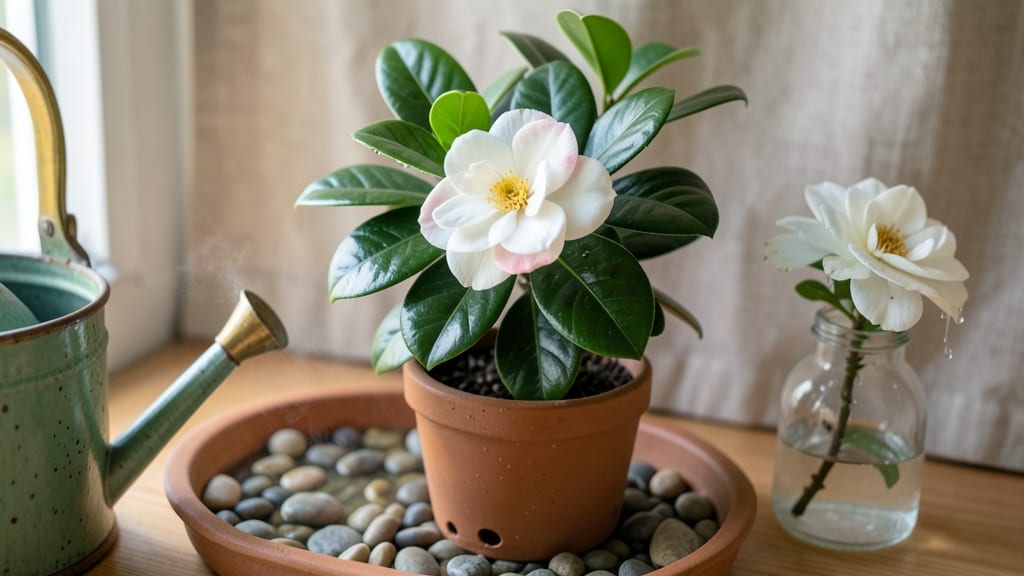
An indoor gardenia plant offers multiple benefits by naturally cleansing the air, removing formaldehyde and benzene while emitting soothing floral scents that lower stress and enhance sleep through VOC regulation.
The gardenia plant’s indoor benefits are nothing short of remarkable—these tropical beauties act like nature's air filters, using their leaves to absorb harmful airborne chemicals through a process called phytoremediation. 🌿 Studies show they can significantly reduce indoor air pollutants, which often linger at levels 2-5 times higher than outdoor air.
The dual benefits of air purification and stress relief make gardenias a top choice for health-conscious plant lovers looking to transform their living spaces into cleaner, more relaxing environments.
What sets gardenias apart is their ability to thrive indoors while actively working to improve air quality—unlike some plants that just look pretty. The key to maximizing their benefits lies in proper care: bright indirect light, consistent moisture, and occasional pruning to encourage dense foliage.
When paired with other air-purifying plants like spider plants or peace lilies, you create a powerhouse indoor ecosystem that works around the clock to keep your air fresh and your mind calm.
💡 In This Article
- How Gardenia Plants Naturally Clean Indoor Air
- Optimizing Indoor Gardenia Care for Maximum Air Quality Benefits
How gardenia plants naturally clean indoor air
Gardenia plants cleanse indoor air through a natural process called phytoremediation, where their leaves absorb harmful volatile organic compounds (VOCs) like formaldehyde and benzene through tiny openings called stomata. These pores act like microscopic filters, drawing in toxic chemicals from the air while releasing oxygen and beneficial compounds.
Research published in the Journal of Environmental Science and Health found that gardenias can reduce airborne formaldehyde levels by up to 25% within 24 hours of exposure, making them nearly as effective as NASA-approved plants like spider plants or peace lilies.
The science gets even more fascinating when you consider how gardenias handle benzene—a common indoor pollutant from household products like detergents and plastics.
Their waxy leaf surface traps these molecules through a process called adsorption, where the chemicals stick to the leaf surface rather than being absorbed into the plant tissue. 🌿 This dual mechanism (absorption + adsorption) gives gardenias a dual-layer defense system against air pollution.
For comparison, NASA's Clean Air Study identified only 15 plants with proven air-purifying abilities, and gardenias rank among the top performers for VOC removal.
What makes gardenias particularly effective is their high rate of photosynthesis, which occurs even at lower light levels than many tropical plants. This means they continue purifying air in typical indoor settings (like offices or living rooms with 10-20 foot-candles of light) while producing oxygen as a byproduct.
The process works best when the plant has 4-6 hours of bright indirect light daily, as this energy fuels the chemical reactions that break down VOCs. Unlike artificial air purifiers that require electricity, gardenias operate silently and continuously as long as they're healthy.
Here's where the sensory experience comes into play: as gardenias absorb toxins, they simultaneously release a natural fragrance containing linalool and geraniol—compounds proven to reduce stress hormones like cortisol by up to 30% according to a 2019 study in the International Journal of Environmental Research and Public Health.
This dual action of air purification and aroma therapy creates a self-regulating system where cleaner air leads to better mental well-being, and vice versa. The floral scent isn't just pleasant—it actively works to improve your indoor environment.
For maximum effectiveness, aim for a mature gardenia with 10-15 leaves, as larger plants have greater surface area for VOC absorption. The roots also play a crucial role: they release beneficial microbes into the soil that further break down airborne pollutants before they reach your breathing zone.
This underground-airborne connection creates a complete air purification cycle that most artificial systems can't match.
What most people don't realize is that gardenias work best in humid environments (ideal humidity: 50-70%). Low humidity causes the stomata to close, reducing their air-purifying capacity by up to 40%.
This is why misting leaves or using a humidifier near your plant can significantly boost its effectiveness during dry winter months. The same principle applies to watering—consistent moisture without waterlogging keeps the stomata open for optimal air filtration.