
Companion Plants
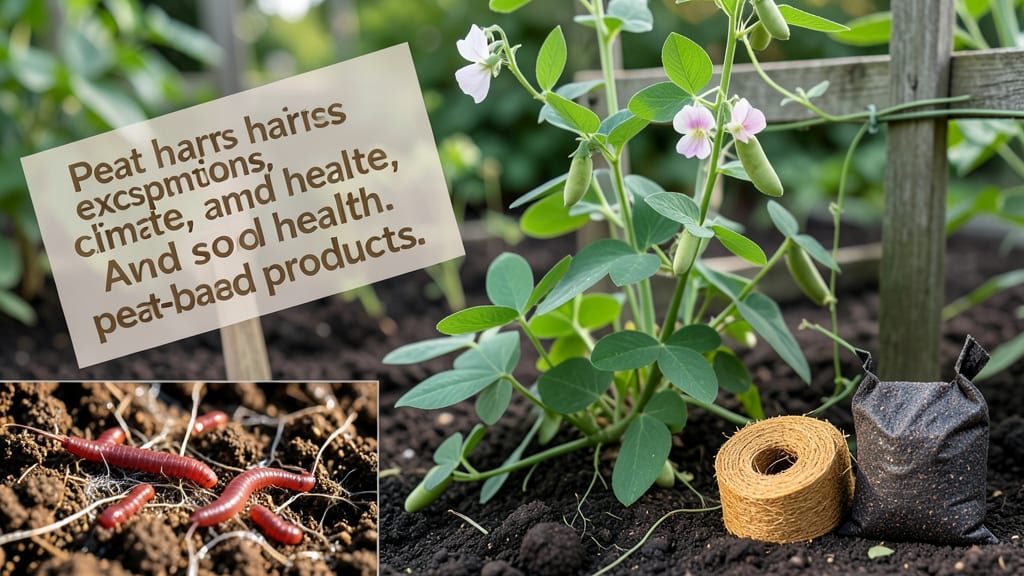
Peat is bad for gardens because it harms ecosystems by depleting carbon-rich bogs, releases stored greenhouse gases when extracted, and disrupts water cycles. Its use also contributes to habitat loss for endangered species like carnivorous plants. Sustainable alternatives like coconut coir or compost offer better long-term soil health without environmental damage.
Peat extraction turns fragile wetlands into barren landscapes, releasing centuries-worth of stored carbon as CO₂ and methane. 🌱 These ecosystems act like natural sponges, filtering water and supporting rare species—yet peat harvesting drains them dry, turning biodiverse bogs into wastelands.
Even "sustainable" peat often comes from degraded areas where recovery takes centuries. The irony? Many gardeners unknowingly fuel climate change while trying to grow plants.
Beyond the environmental cost, peat breaks down quickly, leaving soil compacted and nutrient-poor after just a few years. That's why experts recommend switching to coconut coir (renewable and water-retentive) or well-aged compost (rich in microbes).
My own garden thrived after replacing peat with a mix of compost and leaf mold—plants grew stronger with better water retention and no guilt about my soil choices.
💡 In This Article
- How Peat Extraction Destroys Wetland Ecosystems
- Best Peat-Free Soil Amendments for Gardens
How peat extraction destroys wetland ecosystems
Peatlands store more carbon than all the world's forests combined—about 30% of global soil carbon—yet they're being drained at alarming rates for garden soil.
When bogs are harvested, the exposed peat oxidizes rapidly, releasing 400 million tons of CO₂ annually, equivalent to the emissions of 180 coal-fired power plants. This process also triggers methane emissions, a greenhouse gas 25 times more potent than CO₂, as anaerobic conditions break down.
The damage isn't just carbon—it's irreversible ecosystem collapse.
Bogs act like natural water filters, slowly releasing clean water while supporting rare species like the Sundew and Venus flytrap.
Drainage turns these ecosystems into dry, lifeless landscapes within 5-10 years. 🌿 The water table drops permanently, killing off sphagnum moss—the foundation of peatlands—which can take 1,000 years to regenerate naturally.
Even "sustainable" peat often comes from areas where recovery is impossible, leaving behind a wasteland that was once a thriving carbon sink.
What makes this especially tragic is how peatlands function like rainforests: they're biodiversity hotspots with species found nowhere else. For example, the Northern bog lemming relies entirely on peatland habitats, yet their populations have plummeted by 30% in the last decade due to drainage.
The loss of these ecosystems doesn't just harm wildlife—it removes nature's best tool for fighting climate change while adding to the problem.
Here's the kicker: peat's short-term benefits in gardens come with a centuries-long recovery time for the ecosystem. While it might improve soil structure temporarily, the long-term cost is permanent habitat destruction and accelerated climate change.
The irony? Many gardeners using peat are unknowingly contributing to the very environmental problems they're trying to solve in their own backyards.
Consider this: a single cubic meter of peatland can take 1,000 years to form but is destroyed in months during extraction. That's why scientists warn that peat use is a false economy—what seems like a cheap soil amendment today will cost the planet dearly tomorrow.
The alternatives? They exist, they work, and they don't come with this ecological debt.