
Planting
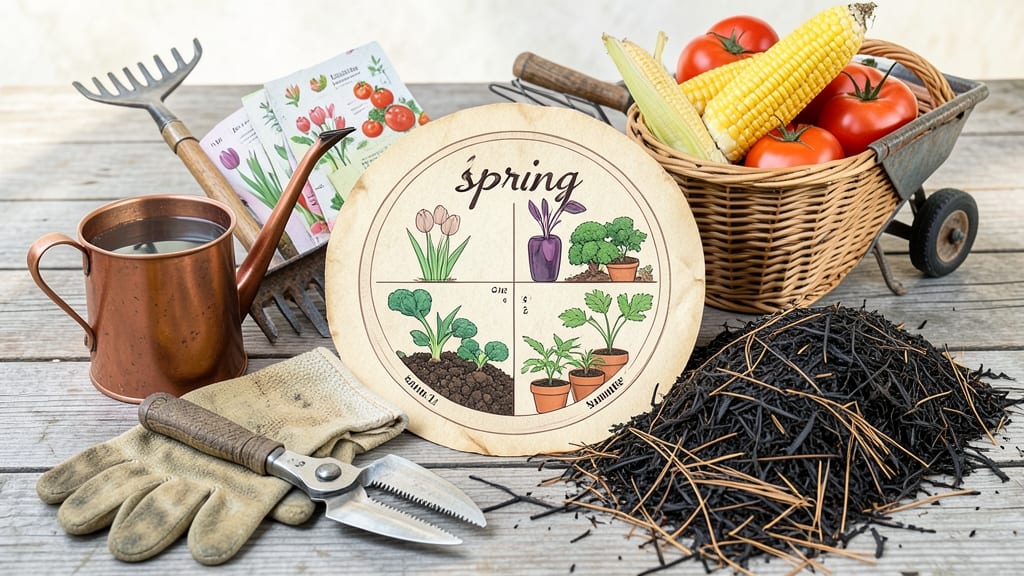
A Zone 7 gardening calendar organizes planting and maintenance around last frost dates between March 15–April 1 and first frost dates near October 31–November 15, ensuring optimal growth for vegetables, flowers, and perennials in regions like Virginia, Kentucky, and Oklahoma.
A Zone 7 gardening calendar isn't just about dates—it's about syncing your garden's life cycle with nature's rhythm. 🌱 The last frost marks when tender plants like tomatoes and peppers can safely go outdoors, while the first frost signals it's time to harvest cool-season crops or protect sensitive plants.
Microclimates matter too: urban areas may warm up faster than rural spots, and elevation changes can shift frost dates by weeks. For example, higher elevations in Kentucky might see frost a week earlier than lower areas.
Beyond frost dates, this calendar helps you plan seasonal tasks like soil prep in early spring, mulching in summer, and winterizing perennials. The key is flexibility—while these dates are averages, weather patterns can vary year to year.
I always recommend keeping a journal to track your garden's progress and adjust future schedules accordingly.
💡 In This Article
- Understanding Zone 7 Frost Dates and Microclimate Variations
- Monthly Zone 7 Gardening Task Checklist by Season
Understanding Zone 7 frost dates and microclimate variations
Frost dates in Zone 7 aren't fixed numbers—they're averages based on historical data that can shift due to local geography.
The last frost typically arrives between March 15–April 1 because cold air settles in valleys and low-lying areas first, while urban heat islands (concrete and asphalt) can delay frost by 5–10 days in cities like Oklahoma City.
This is why gardeners in urban zones might plant warm-season crops like peppers 1–2 weeks earlier than their rural counterparts.
The science behind frost formation reveals why elevation matters: cooler air is denser and sinks, while warmer air rises. At 1,000 feet elevation, temperatures drop 3–5°F compared to sea level—meaning mountain gardens in Virginia's Blue Ridge may experience frost 1–2 weeks earlier than coastal areas.
Coastal regions also benefit from moderating ocean breezes, which can push frost dates back by 7–10 days compared to inland areas.
Microclimates create these variations: a south-facing slope warms up 2–3 hours faster than a north-facing one, while a garden near a large body of water stays 5°F warmer at night.
These differences explain why your neighbor's frost dates might not match yours—even within the same zip code. 🌡️ To account for this, I recommend testing your own microclimate by planting frost-sensitive crops like basil or marigolds in early spring and observing when they survive overnight lows.
Regional variations within Zone 7 highlight this further: in Kentucky's Bluegrass region, frost-free periods average 180–200 days, while Oklahoma's panhandle stretches to 210–230 days. The panhandle's drier climate allows soil to warm faster in spring, creating a 2–3 week advantage for early planting.
Coastal Virginia, however, often sees delayed spring planting due to lingering coastal fogs that keep soil temperatures below 50°F for longer.
Understanding these factors helps you adjust planting schedules precisely. For example, if your garden sits in a frost pocket (a low area where cold air collects), you might delay planting tomatoes until April 15 instead of the average April 1.
Conversely, urban gardeners can push warm-season crops like cucumbers into the ground 10 days earlier by taking advantage of the urban heat island effect.
Historical data shows that while averages are reliable guides, individual years can deviate by 10–14 days due to weather patterns like El Niño or La Niña. That's why experienced gardeners in Zone 7 use the 10-day rule: when nighttime lows consistently stay above 32°F for 10 consecutive nights, it's safe to plant frost-sensitive crops.
This practical approach accounts for both microclimate variations and year-to-year weather fluctuations.