Planting
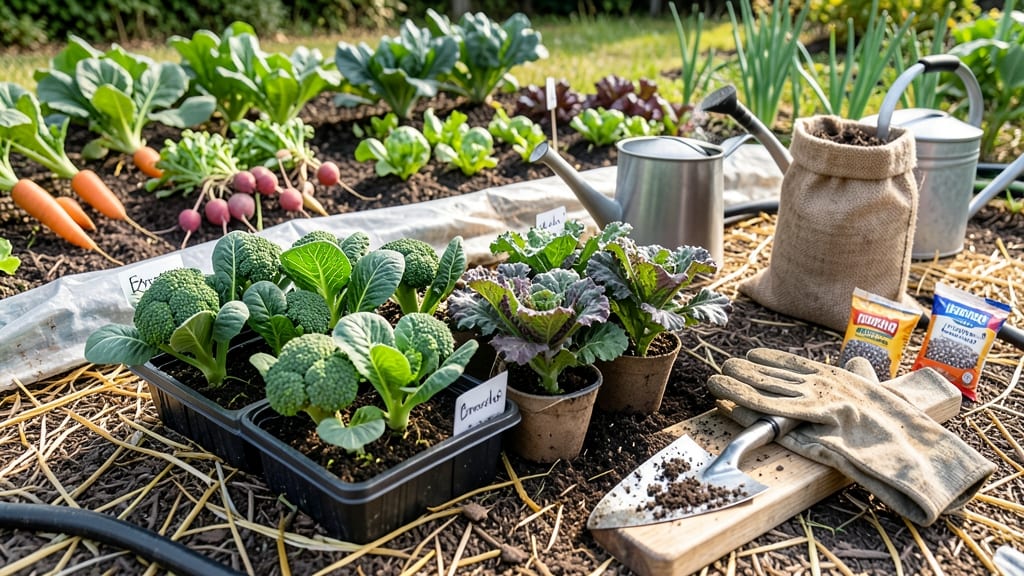
Planting your fall garden in Alabama between late August and early October ensures your 🥬 crops thrive before the first frost—if you time it right, you’ll avoid the two biggest mistakes gardeners make: starting too early (and baking your greens) or waiting too long (and missing the harvest window).
Picture this: you’re pulling crisp, homegrown kale from the garden in November, while your neighbor’s plants bolted weeks ago because they planted in July. The difference? Knowing your USDA zone’s first-frost date and adjusting for Alabama’s humid, warm fall weather.
Below, I break down the exact windows for warm-season holdovers (like tomatoes) and cool-season stars (like spinach), plus how to stretch your harvest with row covers.
You don’t need a green thumb—just a calendar and a few smart tricks.
We’ll cover soil prep for Alabama’s clay-heavy dirt, the best zero-frost-risk crops for your zone, and how to tell when your plants are really ready to harvest (no more guessing if those tomatoes are done or just sunburned).
By the end, you’ll have a foolproof planting schedule tailored to Alabama’s 7a-8b zones, so you can enjoy fresh greens, root veggies, and even a late-season tomato feast—without the stress of last-minute scrambling. Let’s get those seeds in the ground the right way.
Alabama fall planting dates by USDA zone: avoid frost and maximize yield
Alabama’s fall season offers gardeners a golden window to grow cold-hardy crops before winter sets in. But timing is critical—plant too early, and your warm-season crops will bolt; plant too late, and frost will ruin your cool-season harvests.
With 7 USDA zones across the state (6B-8A), frost dates vary dramatically, making zone-specific planning essential for success.
To maximize your yield, focus on zero-frost-risk crops like lettuce, spinach, and kale, which thrive in Alabama’s mild winters. Start by calculating your first-frost date—typically between mid-November and mid-December—and work backward to determine the perfect transplant window for each zone.
For example, Zone 6B gardeners should aim for late August to early September plantings, while Zone 8A can extend their season until early October.
Here’s a zone-by-zone breakdown of ideal fall planting dates, including when to start seeds indoors, transplant seedlings, and direct-sow for maximum harvest potential before frost. Use this as your roadmap to avoid common mistakes like overcrowding or poor soil prep, which can derail even the best-laid plans.
| USDA Zone | First Frost Date | Seed Starting (Indoors) | Transplant Window | Direct Sow Window | Zero-Frost Crops |
|---|---|---|---|---|---|
| 6B | Nov 15 | Early July | Late Aug - Early Sept | Mid-Sept - Late Sept | Kale, Spinach, Lettuce |
| 7A | Nov 1 | Mid-July | Late Aug - Mid-Sept | Late Aug - Early Oct | Collards, Swiss Chard, Radishes |
| 7B | Oct 25 | Late June | Early Aug - Late Sept | Late July - Mid-Oct | Broccoli, Carrots, Beets |
| 8A | Dec 1 | Early July | Late July - Early Oct | Late July - Late Oct | Cabbage, Turnips, Peas |
| 8B | Dec 15 | Mid-June | Early Aug - Mid-Oct | Late July - Early Nov | Brussels Sprouts, Lettuce, Spinach |
Note: Adjust dates 1-2 weeks earlier for high-altitude areas or later for coastal zones.
For Zone 6B, where frost arrives earliest, prioritize fast-maturing varieties like bush beans (45 days) or radishes (30 days). Start seeds indoors in early July and transplant by late August to ensure harvests before November 15.
In Zone 8A, you can push the envelope with longer-season crops like Brussels sprouts (90 days) by sowing seeds in mid-July and transplanting in early August.
Pro tip: Use row covers or cold frames to extend your harvest window by 2-4 weeks in all zones. These tools create a microclimate that protects delicate greens like arugula or mesclun mixes from light frosts.
Test your soil temperature—most cool-season crops thrive when soil is between 45°F and 75°F. If temperatures drop below 50°F, delay planting until conditions improve.
Don’t overlook warm-season crops like tomatoes and peppers for early fall plantings. In Zone
Best zero-frost-risk fall vegetables for Alabama gardens: growth times and spacing
Alabama’s fall garden thrives on cold-hardy vegetables that handle 50-60°F nights without frost damage. These top 10 zero-risk crops deliver harvests until December while requiring minimal spacing—perfect for small spaces or container gardening.
I’ve ranked them by heat tolerance and days to harvest, so you can prioritize based on your planting timeline.
For maximum productivity, pair these vegetables with companion plants like radishes (to deter pests) or marigolds (to repel nematodes). The spacing requirements below ensure airflow, reducing fungal risks in Alabama’s humid climate.
Start with fast growers like bush beans (50-60 days) if you’re planting late, or opt for kale (60-70 days) for a longer harvest window.
| Vegetable | Days to Harvest | Spacing (inches) | Sun Needs | Companion Plants |
|---|---|---|---|---|
| Bush Beans | 50-60 | 4-6" | Full Sun | Corn, cucumbers |
| Spinach | 30-45 | 6-12" | Partial Sun | Strawberries, lettuce |
| Kale | 60-70 | 12-18" | Full Sun | Onions, celery |
| Turnips | 45-55 | 3-4" | Full Sun | Peas, lettuce |
| Radishes | 25-30 | 2-3" | Full Sun | Carrots, cucumbers |
| Swiss Chard | 50-60 | 10-12" | Partial Sun | Beans, tomatoes |
| Collards | 50-65 | 12-18" | Full Sun | Onions, garlic |
| Lettuce | 30-50 | 6-12" | Partial Sun |