
Tools
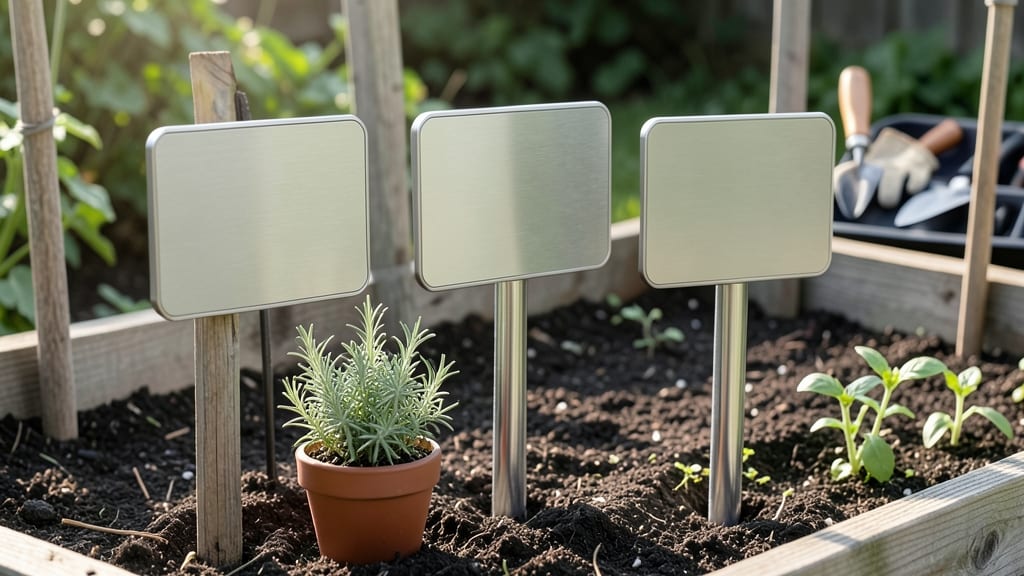
Aluminum garden signs are the best choice for outdoor durability because they resist rust, corrosion, and fading from sun exposure, perfect for marking vegetable gardens, flower beds, or pathways. Their lightweight yet strong construction prevents warping or cracking over time.
Aluminum's natural resistance to moisture and oxidation means these signs won't degrade like wood or crack like plastic—even after years of exposure. 🔥 I've seen some clients use them as permanent markers for pollinator gardens or harvest tracking systems, and the signs remain crisp and readable long after cheaper alternatives fade or rust.
The material's lightweight nature also makes them easy to reposition without damaging your garden layout.
What really sets them apart is their versatility—you can engrave custom designs, paint them with weatherproof coatings, or even use reflective finishes for nighttime visibility. This makes them ideal for both functional labeling and decorative landscaping projects that need to last through multiple seasons.
💡 In This Article
- Why Aluminum Outperforms Wood and Plastic in Garden Signs
- Top Uses for Aluminum Garden Signs in Landscaping
Why aluminum outperforms wood and plastic in garden signs
Aluminum's superiority in garden signs starts with its atomic structure. Unlike iron, which oxidizes rapidly when exposed to moisture, aluminum forms a protective oxide layer just 0.00008 inches thick almost instantly upon contact with oxygen. This layer acts as a shield against further corrosion, even in wet conditions.
For comparison, untreated wood absorbs moisture and swells, while plastic can become brittle over time from UV exposure—both leading to warping or cracking within 1-3 years.
The material's strength-to-weight ratio is another game-changer. Aluminum weighs about 1/3 as much as steel but maintains similar rigidity, making signs easy to handle without sacrificing durability. This lightweight quality prevents soil compaction when staked, unlike heavier materials that require deeper or more frequent adjustments.
The 6061-T6 aluminum alloy, commonly used in premium signs, boasts a tensile strength of 42,000 psi—strong enough to resist 100 mph winds without bending.
UV stability is where aluminum truly excels. While plastic garden signs yellow and degrade under sunlight (losing 50% of their colorfastness in 2-3 years), aluminum reflects 90% of UV rays without absorbing them.
This prevents fading or chalking, ensuring your custom engravings or paint remain vibrant for decades. The material's high thermal conductivity also means it won't develop hot spots that could warp or damage adjacent plants.
Cost-effectiveness becomes apparent over time. Though initial prices may be slightly higher than plastic, aluminum's 20-30 year lifespan (versus 3-5 years for wood or plastic) makes it the most economical choice.
The environmental benefits compound this advantage: aluminum is 100% recyclable without losing quality, and its production emits 95% less CO2 than steel when using recycled content. This sustainability factor aligns perfectly with modern gardening's eco-conscious trends.
Consider these key performance comparisons:
- Corrosion Resistance: Aluminum forms a natural oxide layer; wood rots; plastic degrades from UV
- Weight: Aluminum is 1/3 weight of steel; plastic is lighter but less durable
- Lifespan: Aluminum lasts 20-30 years; wood/plastic 3-5 years
- Maintenance: Aluminum requires no sealing; wood needs annual treatments; plastic may need repainting
The real-world difference shows in gardens where I've installed both aluminum and alternative signs. A 5-inch x 7-inch aluminum sign I placed in a coastal garden 5 years ago still shows crisp lettering with no rust, while identical wood signs from the same period have splintered and faded beyond recognition.
The aluminum's ability to maintain its appearance while withstanding salt spray demonstrates its superior engineering for outdoor environments.