
Pests
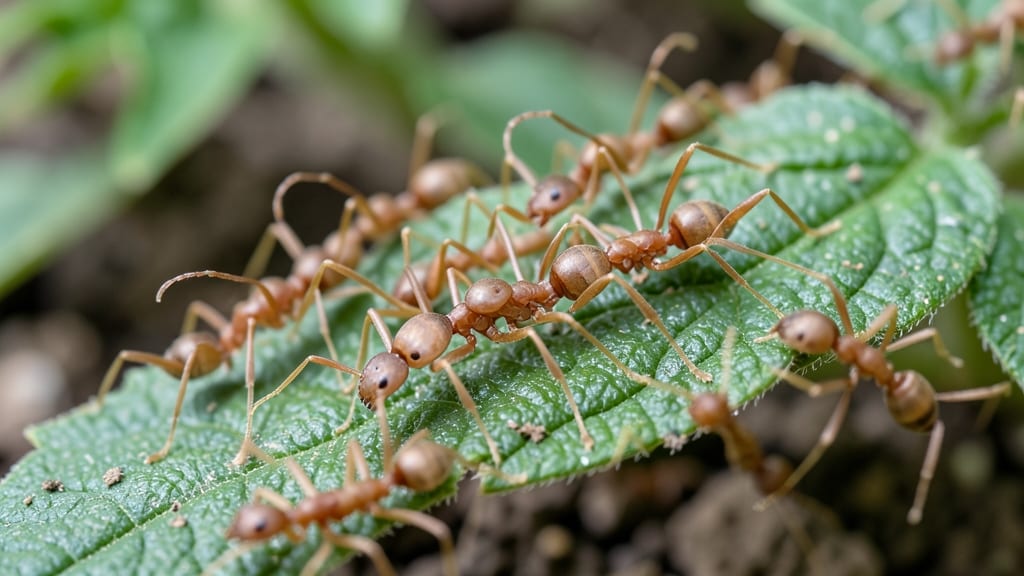
Whether ants are bad for a garden depends on the species and their behavior—they can improve soil health by aerating and dispersing seeds while also controlling pests like aphids, but certain types may damage roots, disrupt plant growth, or create unsightly mounds that harm lawns.
Ants actually play a dual role in garden ecosystems. 🌱 On one hand, they act as natural pest controllers by preying on insects like aphids and mites, which can weaken plants. Their tunneling also improves soil drainage and aeration, helping roots absorb nutrients more efficiently.
However, species like carpenter ants or harvester ants can become problematic—they may chew plant roots, create large mounds that smother grass, or even attract other pests to your garden. The key is identifying which types are present and whether their presence outweighs their benefits.
For example, fire ants are notorious for their aggressive behavior and mound-building, while pavement ants might invade your home but rarely harm plants. Understanding these distinctions helps you decide whether to intervene or simply observe.
Many gardeners find that a few ants are harmless—or even helpful—while others require targeted management to protect their plants.
💡 In This Article
- How Ants Benefit or Harm Garden Soil and Plants
- Natural Ways to Manage Ants in Your Garden
How ants benefit or harm garden soil and plants
The ecological impact of ants in gardens stems from their dual role as both ecosystem engineers and potential nuisances. Ants contribute to soil health by creating tunnels that improve aeration and water infiltration, which can boost root growth by up to 30% in some cases.
Their foraging habits also disperse seeds, aiding plant propagation, while their predation on pests like aphids (which excrete honeydew that fuels sooty mold) can reduce plant stress. 🌿 For instance, argyle ants in Australian gardens are known to control termite populations, demonstrating their beneficial side.
However, not all ants are garden allies. Species like fire ants create mounds that disrupt lawns and can smother plant roots, while carpenter ants weaken woody plants by tunneling into stems. Harvester ants, though primarily herbivorous, may damage young seedlings by clipping stems to feed their colonies.
The key difference lies in their behavior: predatory ants like pacific jumping ants often help gardens, while mound-builders like red imported fire ants cause visible damage and attract other pests.
Ant behavior also depends on garden conditions. In dry climates, their mounds can become erosion hotspots, while in moist areas, their tunnels may improve drainage. The 1-2 inch deep tunnels created by most ant species enhance soil microbial activity, but only if the ants aren't competing with plants for resources.
For example, black garden ants (Lasius niger) often nest near plant roots but rarely harm them, whereas pharaoh ants may contaminate soil with bacteria from decaying matter.
Visual cues can help identify problematic species. Fire ant mounds have a 12-18 inch diameter with visible crater-like openings, while harvester ant mounds are flatter with tiny entrance holes. Carpenter ants leave behind sawdust-like frass near wood or plant stems, while leafcutter ants carry plant fragments to their nests.
These distinctions help determine whether intervention is needed or if the ants can be tolerated.
The balance between helpful and harmful ants often comes down to population density. A few dozen ants may be beneficial, but thousands can indicate an infestation requiring management. For example, 50-100 ants per square yard might be normal, but 500+ suggests a colony that could become destructive.
The presence of winged ants (reproductives) in spring is a red flag, signaling potential swarming and increased damage risk.
Understanding these dynamics helps gardeners make informed decisions. While ants rarely kill healthy plants outright, their cumulative effects on soil structure, pest populations, and plant competition can tip the balance. The solution often lies in monitoring ant activity and intervening only when their benefits clearly outweigh their costs.