
Pests
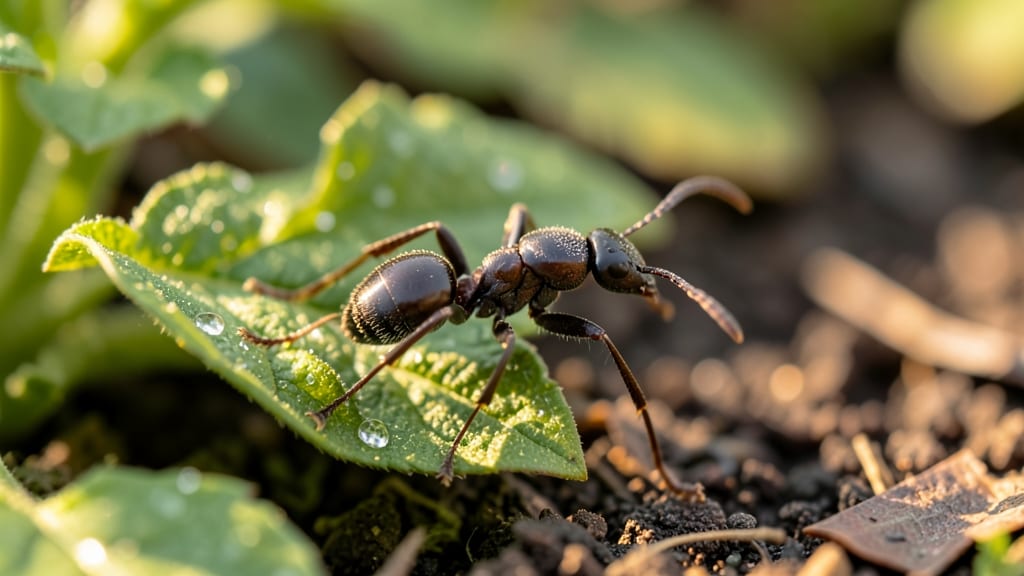
Ants are beneficial to gardens by controlling pests, aerating soil, and breaking down organic matter, but they can also damage roots or attract harmful insects like aphids. Their effects vary by species and garden conditions.
Ants play a dual role in gardens—some species act as tiny ecosystem engineers, while others can become nuisances. 🔥 As natural predators, they hunt pests like caterpillars and termites, reducing the need for chemical interventions.
Their tunneling habits improve soil drainage and aeration, which helps plant roots thrive. However, certain ants—like Argentine ants—can disrupt plant growth by disturbing root systems or protecting sap-sucking pests like aphids from predators.
Whether ants help or hinder your garden depends on their behavior and your plants. For example, harvester ants improve soil fertility by breaking down organic material, while fire ants can create bare patches by removing mulch.
The key is monitoring their activity and addressing issues early, like using diatomaceous earth for mild infestations or targeted baits for aggressive species.
💡 In This Article
- How Ants Improve Soil and Plant Health
- When Ants Become a Garden Problem
How ants improve soil and plant health
Ants act as nature's soil engineers, creating intricate tunnel systems that improve drainage and aeration. Their burrowing activities loosen compacted soil, allowing water and oxygen to reach plant roots more efficiently.
Studies show that gardens with active ant colonies often have 20-30% better root growth compared to ant-free areas, thanks to this natural tilling effect. 🌱 The tunnels also create pathways for beneficial microbes and fungi, which further enhance nutrient availability for plants.
Many ant species, like the harvester ant, play a crucial role in nutrient recycling by breaking down organic matter. They collect seeds, dead insects, and plant debris, then carry these materials to their nests where they're processed into nutrient-rich compost.
This behavior effectively redistributes nutrients throughout the soil, similar to how earthworms work but on a smaller scale. For example, a single harvester ant colony can process up to 500 pounds of organic material annually, creating fertile pockets in the soil.
Ants also serve as biological pest controllers by preying on harmful insects. Fire ants, for instance, consume thousands of caterpillars and termites per season, while pavement ants target garden pests like aphids and whiteflies.
Their predation helps maintain ecological balance, reducing the need for chemical pesticides that can harm beneficial insects. This natural pest control is particularly valuable in organic gardening, where chemical interventions are limited.
The seed dispersal benefits are equally impressive. Many ant species collect seeds and carry them to their nests, where they're stored as food. Some seeds, like those from the milkweed plant, have evolved to be attractive to ants precisely because they need this dispersal method.
When ants discard these seeds near their nests, they often land in ideal growing conditions, creating new plant growth away from parent plants and reducing competition.
However, not all ants provide equal benefits. Carpenter ants, for example, primarily focus on wood rather than soil improvement, while Argentine ants can form supercolonies that dominate ecosystems. The key difference lies in their foraging behavior and diet preferences.
Soil-dwelling species like the little black ant typically offer the most garden benefits through their tunneling and nutrient recycling activities. 💫
To maximize ant benefits, consider planting ant-friendly flowers like clover or dandelions near your garden beds. These plants attract ants that will help control pests in nearby vegetables. The trade-off is minimal—ants will focus on the pests rather than your prized plants when given the right environment to thrive in.