
Tools
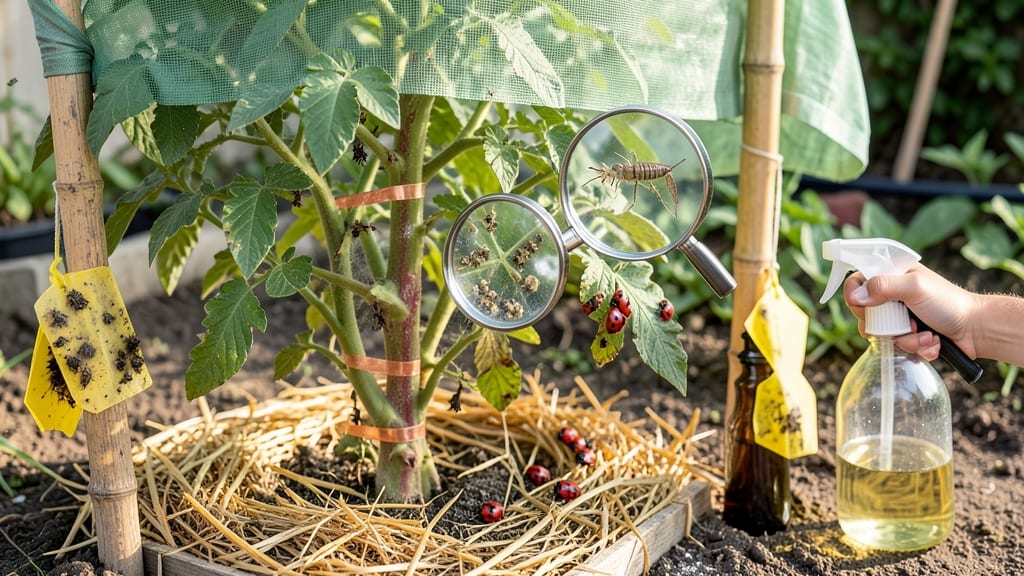
Preventing garden pests naturally starts with healthy soil, strategic companion planting like marigolds or basil, and organic mulches to disrupt pest habitats. Introducing beneficial insects such as ladybugs or lacewings creates a balanced ecosystem, while regular inspections help catch issues early.
Healthy soil is your first line of defense—rich organic matter and proper drainage make plants stronger and less appealing to pests. Companion planting works by confusing insects with mixed scents and attracting their natural predators, while organic mulches block access to eggs and larvae. 🌱 Beneficial insects like ladybugs devour aphids, and a simple garlic spray can repel many common pests without harming your plants or the environment.
What sets natural pest control apart is its long-term benefits: it builds soil health, supports pollinators, and reduces chemical runoff. For example, planting basil around tomatoes deters whiteflies, while copper tape around raised beds prevents slugs from climbing in.
The key is consistency—regular checks and proactive measures keep pests from gaining a foothold.
💡 In This Article
- Natural Barriers That Deter Garden Pests
- Companion Planting Strategies for Pest Control
Natural barriers that deter garden pests
Physical and biological barriers work by disrupting pest life cycles through scent, texture, or direct interference. For example, neem oil contains azadirachtin, a compound that interferes with insects' hormonal systems, preventing them from molting or reproducing.
When applied to leaves, it creates a protective film that repels aphids, mites, and whiteflies within 24-48 hours—its scent alone is enough to deter many soft-bodied insects. 🌿 Similarly, garlic spray (made from blended garlic, water, and a drop of dish soap) releases allicin, a sulfur compound that pests find overwhelming.
This spray works best when applied at dusk, as the scent lingers longer in cooler temperatures.
The texture of certain barriers also plays a role. Copper tape wrapped around raised beds creates an electric current when slugs or snails crawl across it, delivering a mild shock that deters them.
Studies show copper is effective against 90% of slugs when properly installed, as these pests avoid metal surfaces instinctively. Another tactile barrier is diatomaceous earth—a powder made from fossilized algae that damages the exoskeletons of crawling insects like ants and beetles.
Its microscopic sharp edges create abrasions, causing pests to dehydrate within 48 hours of contact. For flying insects, row covers act as a physical shield, blocking light and air while allowing 70-80% of sunlight and water to pass through.
Biological barriers leverage nature's own defenses. Ladybugs, for instance, consume 5,000 aphids in their lifetime, while lacewings target caterpillars and mites. Introducing these predators creates a self-sustaining ecosystem—one ladybug can lay 1,000 eggs per season, ensuring long-term pest control.
Even chickens in the garden scratch at the soil, uncovering and eating grubs and larvae. The key is timing: release beneficial insects during peak pest activity (early morning or late afternoon) and provide water sources like shallow dishes with pebbles to keep them hydrated. 🐞
Temperature and placement matter too. Hot pepper wax (a blend of cayenne pepper and beeswax) repels deer and rabbits by releasing capsaicin, but it must be reapplied after rain.
For underground pests like grubs, nematodes (microscopic worms) are injected into the soil—they seek out and parasitize larvae, reducing populations by 70-90% in just 4-6 weeks.
The best results come from combining barriers: copper tape for slugs, neem oil for aphids, and nematodes for grubs, creating a multi-layered defense that pests can't bypass.
What most gardeners overlook is how these barriers work together. For example, mulching with straw not only retains moisture but also blocks access to egg-laying pests like cabbage worms. Pair this with marigolds planted nearby—their strong scent confuses beetles, while their deep roots improve soil structure.
The synergy between physical, biological, and scent-based barriers makes them far more effective than chemical sprays, which often harm beneficial insects and disrupt ecosystems. 🌱
Pro tip: Rotate your barriers seasonally. In spring, focus on nematodes and row covers; in summer, prioritize neem oil and companion plants. This adaptive approach keeps pests guessing and prevents resistance from developing.
The goal isn't just to repel insects but to create a garden where pests struggle to survive at all. 💫