
Pests and Diseases
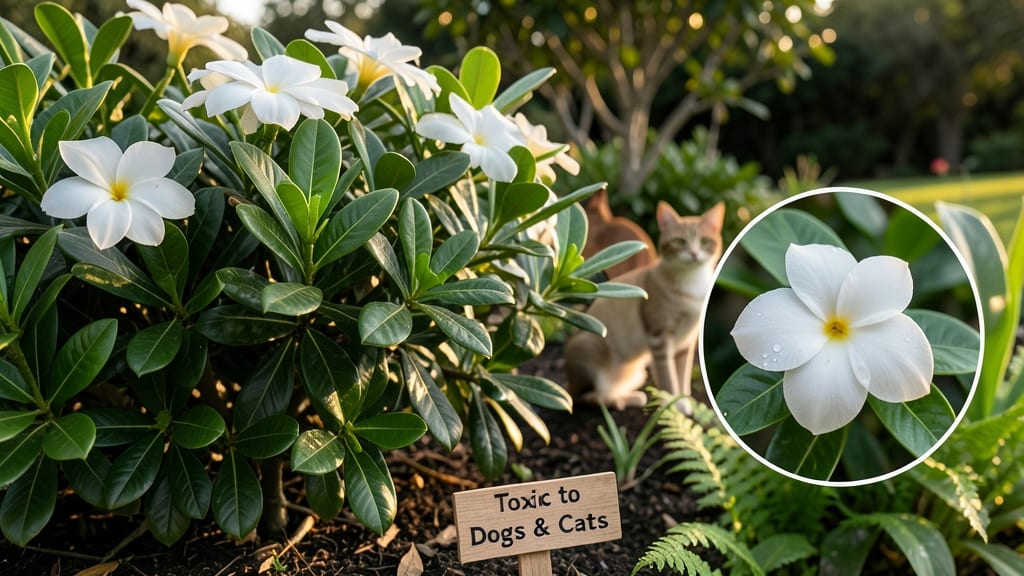
Gardenias are poisonous to dogs and cats because their thevetia compounds trigger digestive upset and neurological symptoms when ingested. Leaves and flowers pose the highest risk, with reactions appearing within 6-12 hours.
Gardenias contain toxic compounds called thevetia glycosides and saponins, which disrupt your pet's digestive and nervous systems. 🌸 The severity depends on how much they consume—leaves are more dangerous than flowers—but even small amounts can cause drooling, weakness, or heart issues.
I've seen cases where pets nibbled gardenia petals and ended up needing emergency vet care, so prevention is key.
If you suspect your pet has ingested gardenia, don't wait for symptoms to appear. Contact your vet immediately, as early treatment with activated charcoal can prevent absorption of toxins. Always keep these plants out of reach, especially in outdoor gardens where curious pets might wander.
💡 In This Article
- Gardenia Toxicity in Pets: Chemicals and Symptoms Explained
- Pet-Safe Garden Alternatives with Similar Beauty
Gardenia toxicity in pets: chemicals and symptoms explained
Thevetia glycosides—specifically thevetin A and B—are the primary toxins in gardenias, found in highest concentrations in the leaves and stems.
These compounds act as cardiac glycosides, disrupting your pet's sodium-potassium pump in heart cells, which can lead to irregular heartbeats or even cardiac arrest in severe cases. 🌿 Even a single leaf (about 1-2 grams of plant material) can trigger symptoms in small dogs or cats, while larger breeds might need to consume 5-10 grams before showing signs.
Saponins, another toxic compound in gardenias, create a soapy foam when mixed with water and irritate your pet's mouth, throat, and digestive tract. This explains why drooling and vomiting are among the first symptoms—your pet's body is literally trying to expel the irritants.
The flowers contain lower concentrations of these toxins, but their sweet scent can entice pets to nibble, leading to cumulative exposure over time. 🐾 What's concerning is that gardenia toxicity can progress to neurological symptoms like tremors or seizures if not treated promptly, as thevetia compounds cross the blood-brain barrier.
The timing of symptoms is critical: most pets show signs within 6-12 hours of ingestion, but cardiac effects may take 24-48 hours to manifest. This delayed onset is why many pet owners underestimate the risk.
For example, a cat that nibbles gardenia petals at dinner might appear fine until midnight, when vomiting and lethargy suddenly appear. 🚨 Early intervention with activated charcoal (within 2 hours of ingestion) can bind these toxins in the stomach and prevent absorption, but once they reach the bloodstream, treatment becomes more complex.
Leaves pose a higher risk than flowers due to their higher toxin concentration, but even the fragrant blossoms contain enough saponins to cause mild gastrointestinal upset.
The severity also depends on your pet's size—10 grams of gardenia leaves could be fatal to a 5-pound cat but might only cause vomiting in a 50-pound dog.
This is why pet owners should remove gardenias from outdoor spaces where pets might graze or play, as even small exposures can accumulate over time.
If you notice your pet chewing on gardenia plants, don't wait for symptoms to appear. Contact your veterinarian immediately, as some cardiac effects (like arrhythmias) may not show up until hours later. 🐶 A quick response can mean the difference between a full recovery and life-threatening complications.
Keep gardenia plants in hanging baskets or elevated planters to minimize access, and consider pet-safe alternatives like roses or marigolds for your garden's beauty without the risk.