
Pests
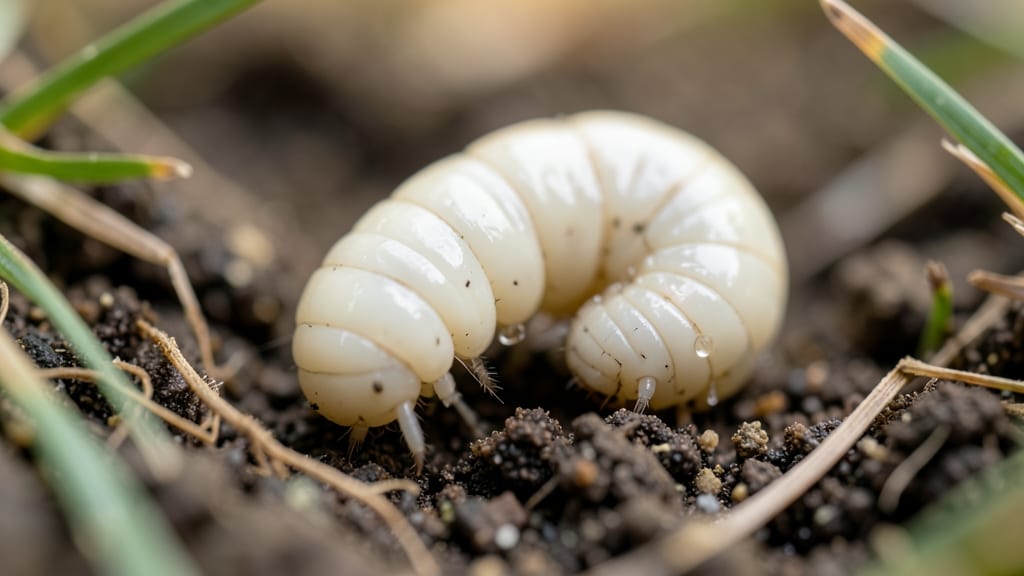
Grubs are bad for your garden because they feed on plant roots, weakening grass and shrubs, causing yellowing patches, wilting, and even plant death if left untreated. Identifying and controlling them early is critical for healthy growth.
Grubs—those C-shaped larvae of beetles—wreak havoc by munching through root systems, which disrupts a plant's ability to absorb water and nutrients. 🌱 The damage often starts as subtle brown patches in lawns before progressing to full-blown die-off if the infestation spreads.
I've seen entire sections of grass turn crispy overnight during peak grub season, proving how quickly these pests can escalate when ignored. Their lifecycle, from egg to adult beetle, means one year's neglect can lead to a recurring problem the following summer.
What makes grubs particularly destructive is their hidden nature—they burrow just below the soil surface, making them hard to spot until the damage is visible. This silent destruction is why gardeners often confuse grub damage for drought stress or disease.
The key to protection lies in both prevention (like maintaining healthy soil) and intervention (using targeted treatments before the beetles lay eggs).
💡 In This Article
- How Grubs Destroy Plant Roots and Damage Gardens
- Natural and Chemical Grub Control Methods for Gardens
How grubs destroy plant roots and damage gardens
Grubs—specifically white grubs, the larvae of beetles like Japanese beetles or June bugs—target root systems with surgical precision. These pale, legless larvae tunnel through soil, consuming roots at a rate of about 0.5 to 1 inch per week during their voracious feeding phase.
Their mouthparts are designed to slice through delicate root hairs and finer roots first, which are critical for water and nutrient absorption. Think of it like a slow-motion lawn massacre where the damage starts at the roots before spreading upward.
The real devastation happens when grubs focus on the crown roots—the thick, fibrous roots near the base of plants. These roots anchor the plant and transport water and nutrients.
When grubs chew through them, the plant loses its ability to stabilize itself, leading to that classic "football-shaped" dead patches in lawns. 🌱 In shrubs and perennials, you might notice wilting leaves or stunted growth as the root system weakens.
The damage escalates because plants can't compensate for lost roots—they don't regrow like leaves or stems.
Grubs don't just attack randomly; they have preferences. Japanese beetle grubs, for example, thrive in moist, well-drained soils with high organic matter—ideal conditions for lawns. They target cool-season grasses like Kentucky bluegrass and tall fescue because these grasses have shallow root systems that are easier to access.
Warm-season grasses like Bermuda grass are less appealing because their deeper roots make tunneling harder. This selectivity is why you might see grubs decimating one area of your lawn while leaving another untouched.
The lifecycle of grubs makes their damage even more insidious. Adult beetles lay eggs in late summer, which hatch into larvae by early fall. These grubs then spend 10-12 months feeding underground before pupating and emerging as adults the following summer.
This means one year's infestation can lead to a three-year cycle of recurring damage if not addressed. The peak feeding period occurs in late summer and early fall, which is why you'll often see sudden lawn die-off during these months.
What makes grubs particularly sneaky is their burrowing depth. They typically stay 2-4 inches below the soil surface, making them difficult to spot until the damage is visible. This depth also means they're protected from birds and other predators that might otherwise control their numbers.
The only visible clues are often the thin, brown grass blades that pull up easily when you try to lift a section of lawn—like tugging on a carpet that's been chewed through from underneath.
To visualize the destruction, imagine a single grub the size of a dime (about 0.5 inches long) consuming roots equivalent to its body length daily.
Multiply that by hundreds or thousands of grubs in a square yard of lawn, and you can see why entire sections of grass can turn brown and die within weeks. The key to stopping this cycle is understanding their feeding patterns and acting before they reach their peak destructive stage.