
Pests
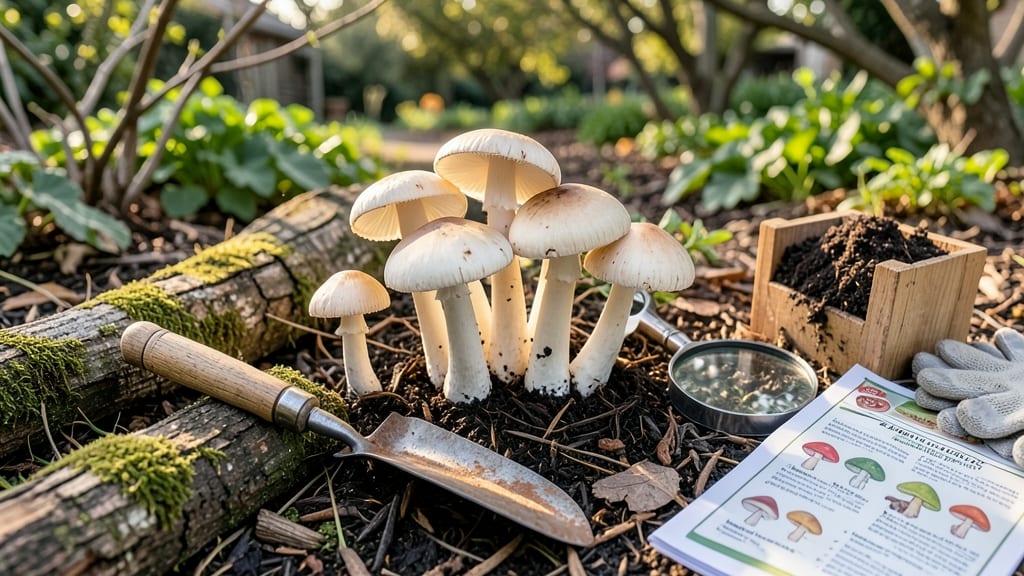
Mushrooms in your garden aren’t necessarily bad—they often signal healthy soil rich in organic matter, but some types may indicate overwatering, poor drainage, or invasive species. Identify the mushroom type before deciding whether to remove them or adjust gardening practices.
Mushrooms popping up in your yard aren’t always a cause for panic—they’re nature’s way of breaking down organic material and recycling nutrients back into the soil. 🌱 However, their presence can reveal important clues about your garden’s health, from moisture levels to potential drainage issues.
For example, large clusters might suggest compacted soil, while certain species could indicate fungal imbalances that affect plant roots. The key is observing their type and growth pattern before taking action.
If you’re unsure whether to remove them, start by checking the mushroom’s size and location. Small, scattered mushrooms on garden beds are usually harmless, while fairy rings (circular patterns) or lawn mushrooms might need intervention. I’ve found that improving airflow and reducing organic buildup often prevents recurrence naturally.
💡 In This Article
- What Mushrooms in Soil Actually Mean for Garden Health
- How to Safely Manage Garden Mushrooms Without Harming Plants
What mushrooms in soil actually mean for garden health
Mushrooms in your garden are nature's decomposers, breaking down dead organic matter like fallen leaves, wood chips, and plant debris through a process called saprophytism.
These fungi release enzymes that digest complex materials into simpler nutrients, which then enrich the soil. 🌱 For example, a single mushroom cap can produce millions of spores that spread these beneficial enzymes across your garden, accelerating nutrient cycling.
This process is particularly active in moist, shaded areas where organic matter accumulates faster.
The type of mushroom you see often reveals specific soil conditions. Saprophytic mushrooms (like the common button mushroom) thrive in well-drained soil with plenty of organic material, indicating healthy decomposition activity.
In contrast, mushrooms growing in perfect circles—known as fairy rings—suggest compacted soil or poor drainage, where fungal growth spreads outward from a central point. The size matters too: mushrooms growing in dense clusters on lawns may signal overwatering, while isolated specimens are usually harmless.
Soil moisture plays a critical role in mushroom growth. Most mushrooms require 60-80% soil moisture to thrive, which is why they often appear after heavy rains or in poorly drained areas.
The pH level also influences which species appear: acidic soils (pH 4.5-5.5) may host more earthy, wood-rotting fungi, while neutral soils (pH 6.0-7.5) support a wider variety.
If your mushrooms appear after adding compost or mulch, this simply means the organic material is breaking down rapidly—a good sign for your garden's health.
Not all mushrooms are beneficial, though. Pathogenic species like Armillaria mellea (honey fungus) can attack living plants by infecting roots, causing wilting or death. These mushrooms often grow in clusters at the base of trees or shrubs and may produce a honey-like odor.
The key difference is that beneficial mushrooms decompose dead material, while pathogenic ones feed on living plants. Always check for signs of plant stress if mushrooms appear near healthy-looking vegetation.
Consider the season too. Mushrooms often appear in late summer or fall when temperatures drop and organic matter becomes more abundant. In my own garden, I’ve noticed that mushrooms peak after I’ve added fresh wood chips or leaf litter—this is their natural response to a sudden food source.
The texture of the mushrooms can also help identify them: soft, spongy caps often indicate saprophytic types, while tougher, leathery growths may signal pathogenic species.
If you're unsure about a mushroom's identity, use a field guide or app to take a photo and compare it to known species. Many gardeners make the mistake of assuming all mushrooms are harmful, but in reality, most are simply doing their job—breaking down what would otherwise clutter your garden.
The real question isn't whether mushrooms are bad, but whether they're disrupting your garden's balance. 💫