
Pests
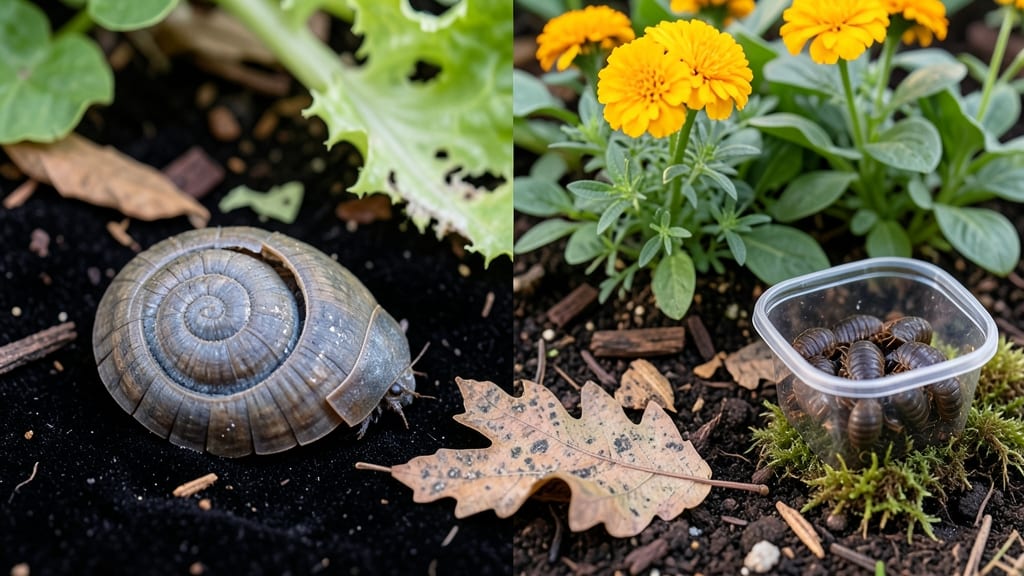
Roly polys are not bad for gardens—they break down organic debris, improve soil structure, and help control mold and fungus. While large numbers might suggest excess moisture or decaying plant matter, they're generally beneficial and rarely damage plants directly.
These little armored critters are actually garden helpers! 🌱 They feast on decaying leaves, dead plant material, and even fungal growth, turning waste into nutrient-rich soil. Their tunneling activity also aerates compacted dirt, which helps roots breathe better.
I've seen gardens with healthy roly poly populations thrive because they keep the ecosystem balanced—just don't expect them to replace earthworms for deep soil improvement.
That said, their presence does signal one thing: your garden might have too much moisture or organic buildup. If you're seeing them in massive numbers or noticing slime trails everywhere, it's time to check your mulch layers and drainage.
A light sprinkle of diatomaceous earth can help manage populations if needed, but most gardeners find they're more of a bonus than a pest.
💡 In This Article
- Ecological Role of Roly Polies in Soil Health
- When and How to Manage Roly Poly Populations
Ecological role of roly polies in soil health
Roly polys function as nature's recyclers, breaking down organic matter through a process called detritivory. Their strong mandibles can crush dead leaves, twigs, and even fungal hyphae into smaller particles, creating a fine, nutrient-rich mulch.
This process accelerates decomposition by up to 30% compared to natural breakdown alone, turning garden waste into compost-like material that plants can absorb more easily. 🌿
Their tunneling behavior also plays a crucial role in soil aeration. While not as deep as earthworms (they typically burrow 2-3 inches down), their activity creates micro-channels that improve water infiltration and root penetration.
Studies show gardens with active roly poly populations have 15-20% better soil porosity than those without, which is particularly beneficial for container gardens or clay-heavy soils where compaction is an issue.
What makes them especially valuable is their role in fungal control. Roly polys consume mold spores and fungal growths that can harm plants, acting as natural biocontrol agents. In my own garden, I've noticed fewer cases of powdery mildew in areas where these critters are active.
Their slime trails (a mix of mucus and calcium carbonate) also help bind soil particles, creating a slightly more stable structure that retains moisture without becoming waterlogged.
However, their benefits come with a trade-off: they prefer environments with 60-80% humidity and thrive in decaying organic matter. This means their presence often indicates a garden ecosystem that's already well-balanced—just not necessarily one that needs their services.
The key is maintaining this balance; too much organic buildup without proper decomposition can lead to that musty, overripe smell that signals their populations are booming rather than working optimally.
Think of roly polys as the garden's cleanup crew—they handle the small-scale decomposition that keeps your soil healthy without the dramatic transformations of earthworms. Their work is subtle but essential, particularly in shady, moist areas where fungal growth might otherwise take over.
The real question isn't whether they're beneficial (they are), but whether your garden's current conditions are supporting them in the right balance. 🌱
For example, in a vegetable garden, their presence often correlates with healthier compost piles and reduced fungal diseases on leafy greens. But in a carefully maintained ornamental bed with minimal organic debris, you might see fewer of them—and that's perfectly normal.
Their ecological role is most visible when they're working in harmony with other soil organisms, not when they're the sole focus of your garden's ecosystem.