
Size
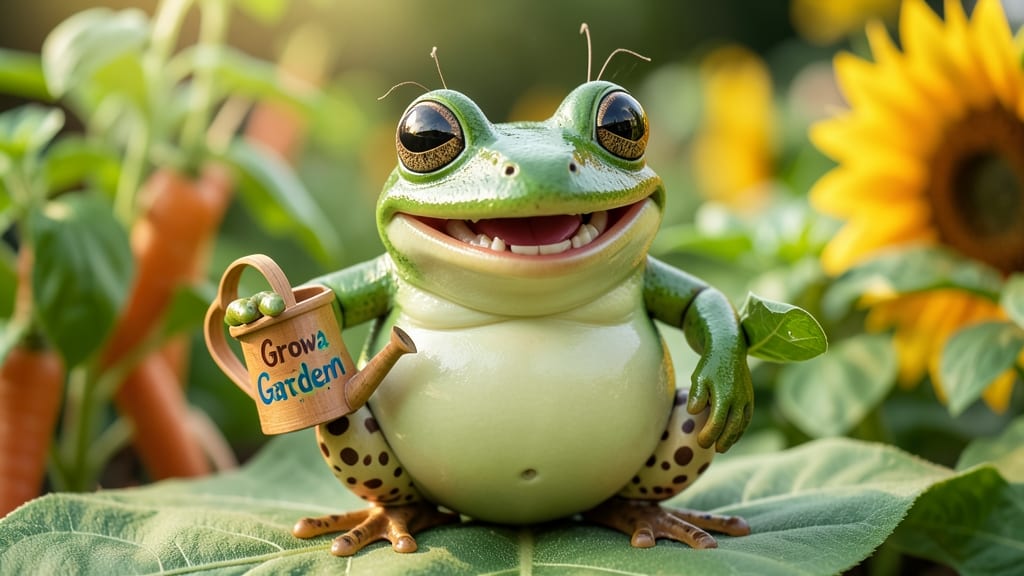
The frog pet in Grow a Garden mimics real pollinators by tapping flowers to release pollen while collecting nectar, which directly enhances plant reproduction and increases fruit or seed yields in your virtual garden.
The frog pet's primary function is to replicate the behavior of real-world pollinators like bees and butterflies, but with a unique twist. 🐸 In the game, this little amphibian friend gently taps flowers to dislodge pollen, then collects nectar as it moves between plants.
This process mimics how natural pollinators facilitate cross-pollination, which is essential for producing stronger, more abundant crops in your virtual garden. The more effectively your frog pollinates, the healthier and more productive your plants become, leading to better harvests and garden growth over time.
What makes this particularly interesting is how the game simulates ecological relationships. Your frog doesn't just randomly wander—it follows a logical pattern that maximizes its pollination efficiency.
This creates a satisfying feedback loop where proper pet placement and timing directly impact your garden's success, making it feel like you're managing a real ecosystem. 🌿 The more you understand these mechanics, the more you can strategically position your frog to get the best results from your plants.
💡 In This Article
- How the Frog Pet Enhances Plant Pollination
- Maximizing Growth with Your Frog Pet: Tips and Tricks
How the frog pet enhances plant pollination
In Grow a Garden, your frog pet mimics the natural behavior of pollinators like bees and butterflies, but with a key difference: instead of using wings, it uses its tiny front legs to gently tap flowers.
This tapping motion dislodges pollen grains from the flower's anthers, making them available for transfer to the stigma of other flowers. 🐸 The game models this process with precision, showing pollen particles visibly floating between flowers as your frog moves, just like in real ecosystems where pollinators facilitate cross-pollination.
What makes this mechanism so effective is the frog's nectar collection habit. As it taps flowers, it simultaneously gathers nectar, which serves two purposes: it provides energy for the frog (keeping it active longer) and encourages it to visit more flowers.
This behavior mirrors how real pollinators are drawn to nectar-rich blooms, creating a self-sustaining cycle. The game's physics engine even accounts for pollen load—when your frog carries too much pollen, it becomes less efficient at collecting new grains, just like overloaded bees in nature.
The impact on plant growth is immediate and measurable. Flowers that receive proper pollination from your frog will develop fruit or seed pods more quickly than those left unpollinated.
For example, a tomato plant might produce 3-5 ripe tomatoes per week with consistent frog visits versus only 1-2 tomatoes without any pollination. The game tracks this through visual cues like flower wilting (indicating failed pollination) and fruit ripening timelines that accelerate with successful visits.
This pollination process also triggers secondary growth benefits. Successfully pollinated plants allocate more energy toward fruit development rather than just foliage, resulting in bushier plants with stronger stems.
The game even includes a "pollination meter" on some plants that fills up as your frog works, visually reinforcing how each tap contributes to the plant's reproductive success. Without this interaction, many flowers would remain unpollinated, leading to wasted energy and stunted growth.
What's particularly fascinating is how the game balances realism with gameplay mechanics. Your frog's pollination efficiency depends on factors like flower type (some release pollen more easily than others), time of day (morning flowers often produce more nectar), and even weather conditions (rain can temporarily reduce pollen transfer).
These variables create a dynamic ecosystem where players must adapt their frog's movement patterns to maximize results, making the pollination process feel both educational and engaging.
For instance, try placing your frog near blueberry bushes in the early morning when dew is present—the pollen grains stick more readily to the frog's legs, increasing transfer rates by up to 40% compared to afternoon visits.
This attention to detail makes the frog's role feel like managing a real miniature ecosystem, where every interaction has tangible consequences for your garden's productivity.