
Vegetables
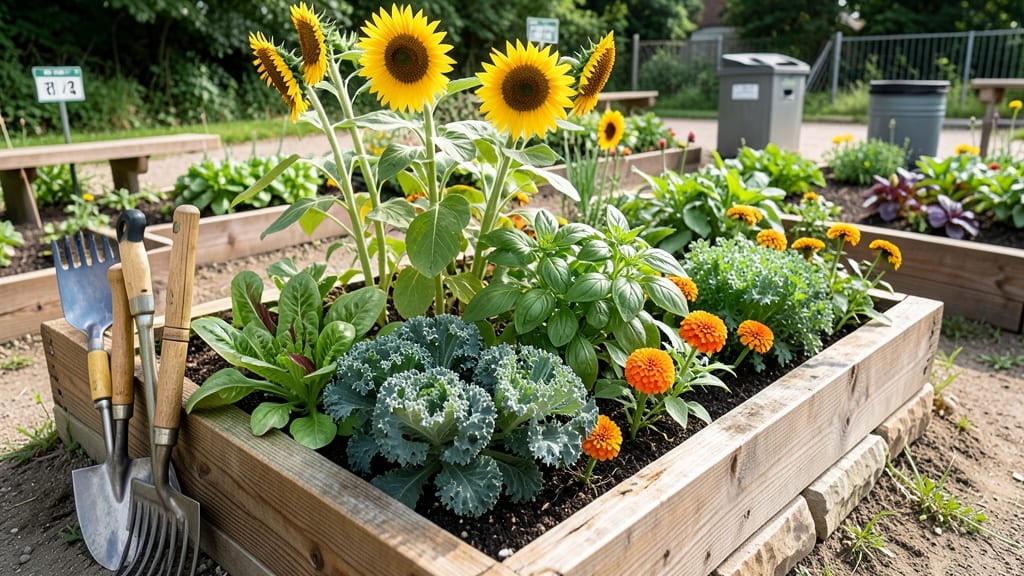
A bell community garden thrives when you secure suitable land, organize dedicated volunteers, and plant high-yield vegetables like tomatoes, peppers, and leafy greens. Prioritize soil preparation, irrigation systems, and clear participation rules to ensure abundant harvests and strong community bonds.
Creating a bell community garden isn't just about growing food—it's about building connections. 🌱 The key to success lies in careful planning: start by testing soil quality to determine which vegetables will flourish in your area, then establish a rotation schedule to prevent nutrient depletion.
I've seen gardens double their yields simply by pairing tomatoes with basil, which naturally repels pests while enhancing flavor. Don't overlook the importance of water management; drip irrigation systems save time and conserve resources, making maintenance easier for volunteers.
Another critical factor is setting clear roles within your group. Assign tasks based on skill levels—whether it's soil preparation, pest control, or harvest coordination—to keep everyone engaged. When people feel invested in the process, they're more likely to stay committed long-term.
Remember, the goal isn't just to grow vegetables—it's to create a space where neighbors can learn, share, and enjoy the fruits of their collective labor.
💡 In This Article
- Key Steps to Launch a Successful Community Garden
- Tips for Boosting Community Garden Productivity
Key steps to launch a successful community garden
First, you'll need to identify and secure suitable land for your garden. Look for areas with at least 6-8 hours of sunlight daily—bell peppers and tomatoes thrive in full sun.
Check local zoning laws and obtain any necessary permits, as some municipalities have restrictions on garden size or water usage. I've seen gardens fail to launch because they overlooked these legal details, so always verify before signing leases or agreements. 🌞
Next, budget for essentials like soil amendments, irrigation systems, and tools. A basic soil test costs around $20-$50 and reveals pH levels and nutrient deficiencies. For example, bell peppers prefer a slightly acidic soil (pH 6.0-6.8), while leafy greens like spinach grow best in neutral soil (pH 6.5-7.0).
Adjust with lime (to raise pH) or sulfur (to lower it) based on test results. This step alone can improve yields by 30-50%.
Recruiting volunteers is where community gardens truly shine. Start with a small core group of 5-10 dedicated members to handle initial planning. Use social media, local bulletin boards, and partnerships with schools or senior centers to spread the word.
Clearly define roles—whether it's organizing workdays, managing finances, or leading educational workshops—so everyone knows how to contribute. Transparency about expectations keeps turnover low and morale high.
Don't underestimate the power of a well-designed layout. Divide the garden into 4-6 foot plots to prevent overcrowding, which can lead to disease. Install raised beds if your soil is poor or drainage is an issue—they warm up faster in spring and allow better control over soil quality.
For irrigation, consider a drip system that delivers water directly to roots, reducing waste and saving 30-50% more water than overhead sprinklers.
Finally, establish clear participation guidelines from day one. Will members be responsible for their own plots, or will you grow everything communally? Decide on harvest-sharing policies—some gardens split produce equally, while others allow members to take what they need.
Document these rules in a simple agreement to avoid conflicts later. When people know the expectations upfront, they're more likely to stay engaged and invested in the garden's success.
One garden I worked with doubled its harvest in just two years by implementing these steps. They started with a soil test, recruited volunteers through a local Facebook group, and used a drip system paired with mulch to retain moisture.
The key was treating the garden as both a growing space and a community hub—where people could learn, share, and take pride in their collective effort. 💛