
Tools
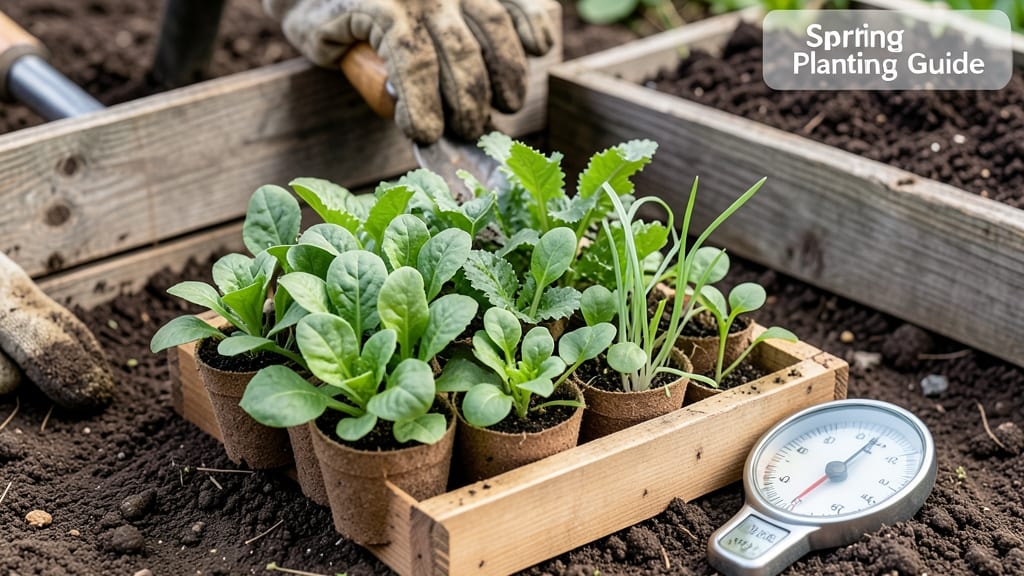
The best time to start a garden varies by climate zone: warm-season vegetables like tomatoes and peppers need to be planted after the last frost in spring, while cool-season crops such as spinach and kale can begin 4-6 weeks before the final frost date. Always verify your USDA zone for accurate frost timing.
The timing of your garden's success hinges on understanding your region's frost patterns and crop needs. 🌱 For example, southern zones (like 8-11) may start warm-season planting as early as February, while northern zones (3-5) might wait until May or June.
I recommend checking your local agricultural extension service for hyper-local advice—they often provide frost date averages that account for microclimates in your specific area.
Beyond frost dates, consider your crops' growth cycles. Fast-maturing lettuce can handle cooler temperatures, while heat-loving peppers need consistent warmth. Many gardeners use a planting calendar based on their zone to organize their schedule, ensuring they have a continuous harvest throughout the growing season.
💡 In This Article
- Understanding Planting Windows by USDA Climate Zones
- Step-by-Step Guide to Planning Your Garden Timeline
Understanding planting windows by USDA climate zones
The USDA divides North America into 11 climate zones based on average minimum winter temperatures, which directly influence your planting windows. Zone 1 (Alaska, northern Canada) has last frost dates as late as June 15, while Zone 11 (southern Florida, Hawaii) rarely sees frost at all.
This creates a 6-week to 3-month difference in when you can safely plant warm-season crops like tomatoes or peppers between the northernmost and southernmost regions.
Each zone also has distinct "first frost" and "last frost" averages that determine when cool-season crops can begin. For example, Zone 5 (Chicago, Minnesota) typically sees its last frost around May 15, while Zone 9 (Los Angeles, Arizona) may have its last frost as early as January 15.
These dates create the "planting window" - the period between frost risks when most crops can thrive without damage. 🌿 The key is knowing your zone's average frost dates, which you can find through the USDA's interactive zone map or local extension offices.
Microclimates add another layer of complexity. A south-facing slope in Zone 6 might warm up 10-14 days earlier than the official average, while a low-lying area could experience frost 2 weeks later.
This is why experienced gardeners recommend testing soil temperatures (ideal for planting is 60-65°F) and observing local patterns over several years. Even within the same zone, elevation changes can shift planting windows by 2-4 weeks.
Warm-season crops like cucumbers and squash need consistent soil temperatures above 60°F to germinate properly, which typically aligns with the last frost date in most zones. Cool-season crops such as broccoli and peas can handle temperatures down to 40°F, allowing them to be planted weeks before the last frost.
The USDA's zone system helps you match crops to your local growing conditions, but the real magic happens when you combine that knowledge with real-time weather observations.
For example, gardeners in Zone 7 (Atlanta, Missouri) might plant cool-season crops like spinach in early March but delay warm-season tomatoes until late April. This timing ensures seedlings aren't killed by unexpected late frosts.
The USDA zone system provides the foundation, but your local weather patterns and microclimate create the perfect planting schedule tailored to your specific garden. 🌱
What most people don't realize is that planting windows aren't just about frost dates—they're also about heat accumulation. Crops like peppers need 800-1,000 heat units (measured in growing degree days) to mature, which takes longer in cooler zones.
This is why Zone 5 gardeners might start peppers indoors in March while Zone 10 gardeners can direct-sow them in February. The USDA zone system helps you calculate these heat requirements based on your location.