
Advice
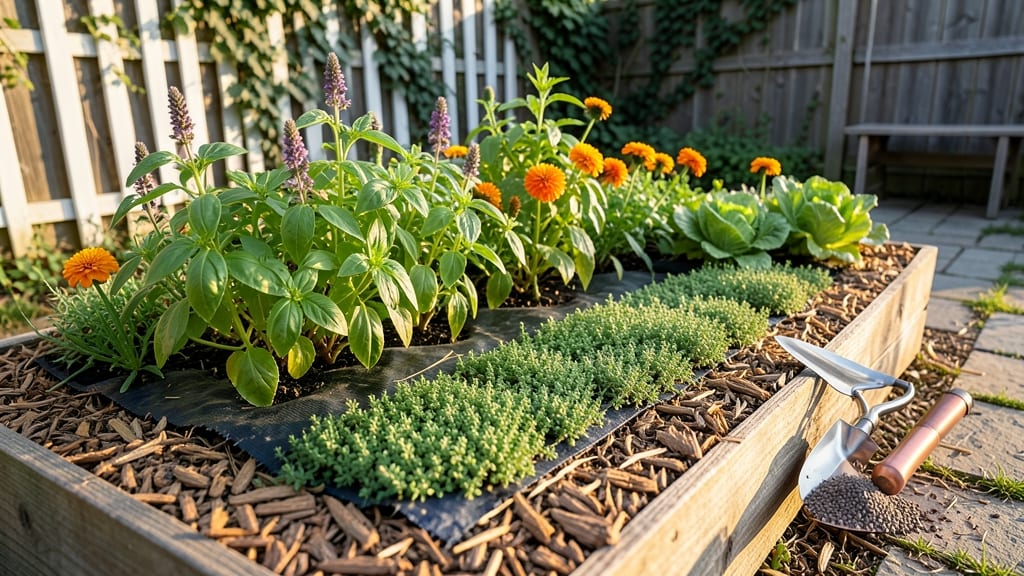
The best way to keep weeds out of your garden is to combine layered natural barriers like landscape fabric, organic mulch, or dense ground covers with regular maintenance to prevent seeds from germinating and growing without relying on harsh chemicals.
The key to long-term weed suppression lies in blocking sunlight and smothering seeds before they sprout. 🌱 Landscape fabric works by depriving weeds of light, while mulch (like straw or wood chips) creates a physical barrier that breaks down over time, releasing nutrients into the soil.
Ground covers like clover or creeping thyme outcompete weeds for space and resources, creating a living shield. I've found that combining these methods—especially in high-traffic garden areas—cuts weed growth by up to 80% within the first season.
Consistency matters just as much as the method. Weeds thrive when they find gaps, so I recommend checking your barriers monthly and refreshing mulch layers as they decompose. For stubborn weeds, a quick spray of diluted vinegar (1:1 ratio with water) can provide an extra boost without harming your plants.
The goal is to create an environment where weeds can't take root—think of it like building a fortress around your garden!
💡 In This Article
- How Natural Weed Barriers Work to Block Growth
- Top 10 Natural Weed Prevention Methods Ranked by Effectiveness
How natural weed barriers work to block growth
Natural weed barriers primarily work through two key mechanisms: light deprivation and seed suffocation. When you place landscape fabric or thick mulch over soil, you're essentially creating a physical shield that blocks sunlight—something weeds absolutely need to photosynthesize and grow.
Most weed seeds require light to germinate, so this simple act of covering the ground can reduce sprouting by up to 90% in ideal conditions. 🌱 The fabric's woven structure also traps seeds before they can take root, while organic mulches like straw break down over time, releasing nutrients that strengthen your plants while starving weeds.
Organic mulches take this a step further by adding another layer of protection through competitive root systems. When you use materials like wood chips or shredded leaves, they don't just block light—they create a microclimate where beneficial soil organisms thrive.
These organisms break down the mulch, releasing nutrients that your plants can access while simultaneously creating an environment that's inhospitable to weed seeds. The decomposition process also helps maintain soil moisture, which is another critical factor in weed suppression—dry soil conditions naturally inhibit many weed species from germinating.
Ground covers like clover or creeping thyme work differently—they establish dense root systems that outcompete weeds for water, nutrients, and space. These living mulches create a competitive advantage by forming a continuous green carpet that shades the soil while absorbing resources that would otherwise fuel weed growth.
Studies show that well-established ground covers can reduce weed presence by 70-85% compared to bare soil, making them one of the most effective long-term solutions. The key here is density: the thicker and more uniform the ground cover, the fewer opportunities weeds have to establish themselves.
For those wondering about vinegar's effectiveness, it works through a different mechanism—chemical disruption of cell membranes. When you spray undiluted vinegar (5% acetic acid) on weeds, the acid penetrates their leaves and causes rapid dehydration.
However, vinegar's effectiveness is limited to existing plants and doesn't prevent future germination like physical barriers. That's why I recommend using it as a spot treatment rather than a primary prevention method.
For best results, apply vinegar on a calm day when weeds are actively growing, and always avoid spraying your desired plants since vinegar can harm them too.
Temperature plays a surprising role in barrier effectiveness. During summer months, mulch and fabric work best when they maintain soil temperatures between 65-75°F—this range creates optimal conditions for your plants while keeping weed seeds dormant.
In cooler climates, you might need to add an extra layer of mulch (about 3-4 inches) to provide sufficient insulation. The color of your mulch matters too: darker materials like wood chips absorb more heat, while lighter straw reflects sunlight and keeps roots cooler.
This thermal regulation helps create an environment where your plants thrive while making it difficult for weeds to establish.
One often-overlooked factor is the texture of your barriers. Coarse mulches like pine straw create larger air pockets that allow water to penetrate while still blocking light, whereas fine materials like grass clippings can compact over time and reduce effectiveness.
The ideal texture provides both physical obstruction and proper drainage—think of it like creating a breathable blanket that suffocates weeds while allowing your plants to grow. This balance is what makes natural barriers so effective when properly installed and maintained.