
Fertilization
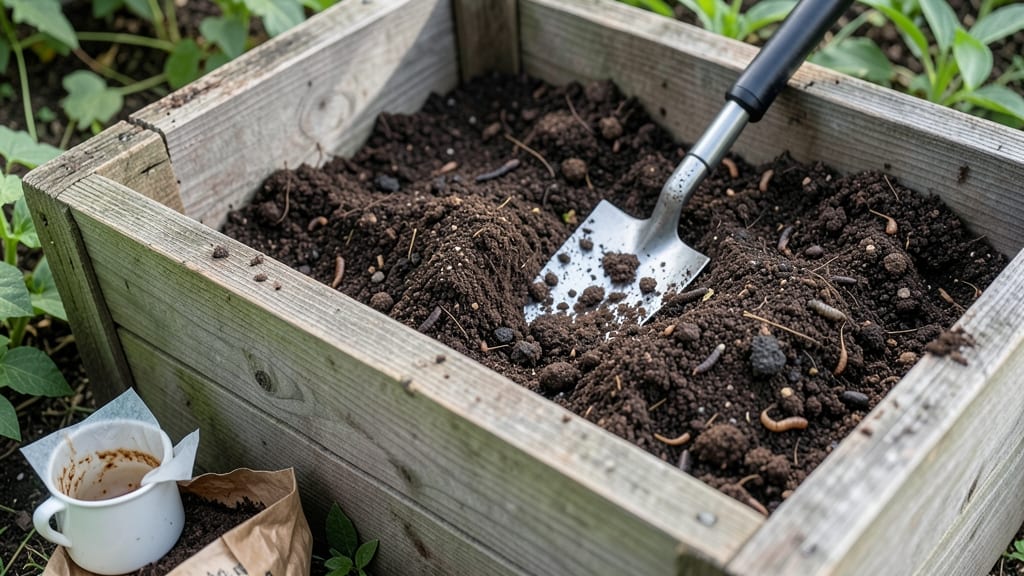
You can put used coffee grounds in your garden—they enrich soil with nitrogen, improve moisture retention, and deter pests like slugs, but use them sparingly to avoid over-acidifying the soil or attracting mold.
Coffee grounds are a gardener's secret weapon because they're packed with nutrients like nitrogen, which plants crave for leafy growth. 🌱 The grinds also act like tiny water beads, helping soil hold moisture longer between waterings.
I've noticed a big difference in my acid-loving plants like blueberries and azaleas—they thrive when I work grounds into their soil, but I always mix them with compost first to balance the acidity.
Just remember: too much can create a sour environment or invite mold, so a light sprinkle (about 1 cup per plant) every few weeks is ideal.
For best results, I recommend burying the grounds slightly or mixing them into compost piles. This prevents them from clumping on the surface, where they can dry out or attract pests.
If you're dealing with slugs or snails, a ring of coffee grounds around your plants acts as a natural barrier—they hate crossing the gritty texture. Just avoid using them on delicate plants like orchids or ferns, which prefer neutral pH levels.
💡 In This Article
- How Coffee Grounds Boost Soil Health and Plant Growth
- Best Practices for Using Coffee Grounds in Your Garden
How coffee grounds boost soil health and plant growth
Coffee grounds work as a natural fertilizer because they're roughly 2% nitrogen by weight—about 10 times more than regular soil. When they decompose, they release this nitrogen slowly, feeding plants over weeks rather than all at once.
The breakdown process also stimulates beneficial soil microbes, which help convert organic matter into plant-accessible nutrients. Think of it like a slow-release fertilizer that also improves soil structure by adding organic bulk.
The pH of coffee grounds (typically 6.2-6.8) makes them ideal for acid-loving plants like azaleas, blueberries, and hydrangeas, which thrive in pH 4.5-5.5 soil. For these plants, mixing 1-2 cups of grounds per square yard into the top 2-3 inches of soil can boost growth dramatically.
However, the acidity can be too strong for vegetables like tomatoes or peppers, which prefer pH 6.0-7.0. In these cases, balance the grounds with compost or lime to neutralize the effect.
When used properly, coffee grounds create a sponge-like environment that holds 20-30% more moisture than regular soil. This water-retention power comes from their fibrous structure, which mimics organic mulch. I've seen this firsthand with my tomato plants—their soil stays moist for 3-4 days longer between waterings when I incorporate grounds.
The texture also improves aeration, allowing roots to breathe better while preventing compaction.
Direct application differs from composting because fresh grounds can mat down and create a barrier that repels water. To avoid this, always bury them 1 inch deep or mix them into compost piles where they'll break down evenly.
In compost, they decompose in 2-4 weeks (faster than most kitchen scraps), adding nitrogen and carbon in the perfect 30:1 ratio for microbial activity. For direct soil use, spread them thinly (½ inch layer) and water immediately to prevent clumping.
The pest-deterrent properties come from caffeine and oils in the grounds, which act as natural slug and snail repellents. These creatures avoid crossing the gritty, abrasive texture while the caffeine disrupts their nervous systems.
I've used a 1-inch ring of grounds around my hostas and never seen slug damage again. Just avoid overapplying—more than 1 cup per plant monthly can create a sour, mold-friendly environment that harms roots.
For maximum benefits, combine coffee grounds with other amendments like worm castings or peat moss. This creates a balanced nutrient profile while preventing pH extremes.
The key is moderation—too much turns your garden into a coffee-flavored swamp, while the right amount transforms your soil into a nutrient-rich haven for plants that love a little acidity.