
Plants
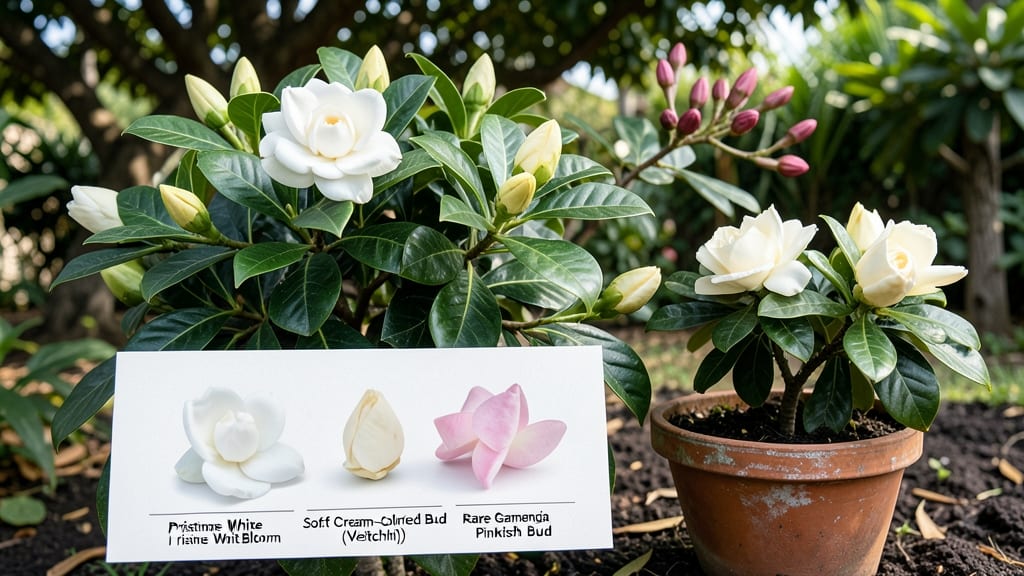
Gardenias do come in different colors beyond classic white, including rare pink, cream, yellow, and even light green varieties, though true color mutations are uncommon in nature and often found in cultivated hybrids or blooms affected by temperature or sunlight exposure.
While white remains the most iconic gardenia hue, nature and plant breeders have produced stunning variations through selective cultivation. 🌸 These unusual shades—like soft peach or pale lavender—often appear in hybrid varieties bred for ornamental gardens.
Environmental factors can also influence bloom color: cooler temperatures might deepen pink tones, while excessive sunlight can bleach petals, creating subtle greenish casts. The rarest colors typically emerge from specific cultivars like 'Kleim’s Hardy,' which produces blush hues, or 'Radicans,' known for its creamy blooms.
For gardeners curious about growing these unique varieties, selecting the right soil pH (around 6.0-6.5) and providing partial shade can maximize color vibrancy. Pruning techniques that encourage new growth in spring often result in brighter, more saturated blooms compared to older wood.
The key is patience—many rare-colored gardenias take 2-3 years to mature and produce their signature hues.
💡 In This Article
- Natural vs Cultivated Gardenia Color Variations
- How to Grow Rare-Colored Gardenias at Home
Natural vs cultivated gardenia color variations
The classic white gardenia we know so well is actually the result of a specific genetic expression in the Gardenia jasminoides species. In nature, wild gardenias produce pure white blooms because their anthocyanin pigment pathways—responsible for reds and purples in other flowers—are suppressed by a dominant gene called Wd.
This genetic "off switch" creates the signature white hue we associate with gardenias. 🌸
Cultivated color variations emerge when breeders introduce mutations or cross-pollinate different gardenia species. For example, the 'Kleim’s Hardy' cultivar produces soft blush-pink blooms due to a partial suppression of the Wd gene, allowing trace anthocyanins to develop.
Similarly, 'Radicans' gardenias exhibit creamy off-white petals because their chlorophyll content is slightly higher, giving blooms a faint greenish undertone when exposed to strong sunlight. Temperature also plays a role—cooler nights (60-65°F) can intensify pink hues in susceptible varieties by slowing pigment breakdown.
Environmental factors create temporary color shifts too. Excessive sunlight (especially direct midday rays) can cause chlorophyll buildup in petals, producing subtle greenish casts on white blooms. This is why gardeners in hot climates often see their pristine white gardenias develop faint yellowish edges—a natural stress response.
Conversely, cooler growing conditions (55-70°F) preserve the classic white while enhancing the flower's fragrant oils, which is why many commercial growers prefer these temperatures for white varieties.
Breeders have also created true yellow gardenias through complex hybridization, though these remain rare in nurseries. The 'Veitchii' variety, for instance, produces pale yellow blooms because its genetic makeup includes traits from the Gardenia augusta species, which naturally produces more diverse pigmentation.
These yellow blooms typically appear in late summer when temperatures stabilize, making them seasonal specialties rather than year-round options.
Color stability is another consideration. Many hybrid gardenias with non-white blooms revert to white over generations unless carefully propagated. This is why commercial growers use tissue culture techniques to maintain specific color mutations.
For example, the 'Fortuniana' cultivar's pink blooms require precise grafting to preserve their hue, as they're not naturally stable through seed propagation.
Understanding these variations helps gardeners make informed choices. If you're seeking pink or cream blooms, look for named cultivars rather than relying on wild-type plants.
The 'Mystery' variety, with its soft peach petals, or 'Profusion', which produces clusters of pale yellow blooms, are excellent starting points for those wanting color beyond white.