
Tools
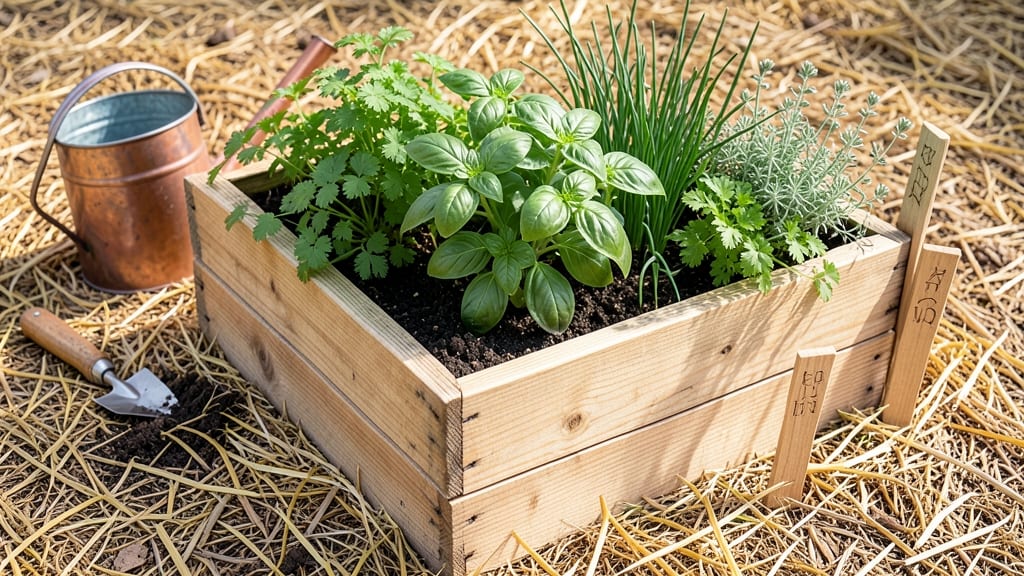
Creating DIY garden boxes lets you build custom raised beds with budget-friendly materials like cedar, pine, or repurposed wood, offering superior drainage, soil control, and weed prevention while adapting to any yard size or plant variety.
Building your own garden boxes is one of the most rewarding ways to transform your outdoor space into a thriving garden. 🌱 The beauty of DIY projects lies in their flexibility—you can tailor dimensions, materials, and designs to fit your specific needs, whether you're growing vegetables in a small urban patio or creating a flower bed in a large backyard.
Unlike store-bought options, custom boxes allow you to control costs by using affordable lumber or even repurposed materials while ensuring your plants get the ideal growing conditions.
For beginners, the key advantage is avoiding common pitfalls like poor drainage or soil contamination. A well-built DIY box keeps roots healthy by preventing waterlogging while giving you complete control over soil quality. Plus, the satisfaction of assembling something with your own hands makes gardening even more enjoyable.
Whether you're working with treated pine for durability or cedar for its natural rot resistance, each material brings unique benefits to your project.
💡 In This Article
- Choosing the Best Materials for Durable DIY Garden Boxes
- Step-by-Step DIY Garden Box Plans for Beginners
Choosing the best materials for durable DIY garden boxes
When selecting materials for your garden box, the first consideration is longevity and how it interacts with soil moisture. Cedar stands out as the premium choice because its natural oils make it highly resistant to rot and insects, lasting 15-20 years with proper sealing.
The aromatic scent also deters pests naturally. Pine, on the other hand, is more budget-friendly (costing 30-50% less than cedar) but requires pressure treatment or regular sealing to prevent warping and decay, typically lasting 7-10 years in ground contact.
The science behind material selection comes down to moisture absorption and chemical stability. Untreated pine absorbs water readily, causing wood to swell and split over time—especially problematic in wet climates.
Cedar's natural preservatives create a protective barrier, while composite materials (like plastic lumber) offer another alternative with zero maintenance but at a higher upfront cost ($15-$25 per board foot).
For organic gardeners, untreated cedar or redwood avoids chemical leaching into soil, unlike pressure-treated lumber which can release arsenic or chromium compounds.
Alternative materials like stone, bricks, or metal provide unique benefits but come with trade-offs. Stone boxes (using flagstone or pavers) offer infinite durability but require precise cutting and mortar work, adding $500-$2,000 to costs. Metal boxes (galvanized steel) resist rot completely but conduct heat, which can bake soil in summer.
The best choice depends on your climate: cedar excels in humid areas, while pine works better in dry regions with regular maintenance. 🌲
Consider your budget and maintenance tolerance—cedar's $10-$15 per board foot price tag pays off in longevity, while pine's $3-$5 per board foot suits tight budgets if you're willing to reseal every 2-3 years.
For containers, recycled plastic lumber (made from milk jugs or pallets) offers 95% less maintenance than wood but may lack the aesthetic appeal of natural materials. Always check local regulations if using reclaimed wood, as some areas restrict treated lumber in edible gardens.
Pro tip: For maximum durability, use 2x6 or 2x8 boards (not 1x boards) to prevent warping, and elevate boxes 6-12 inches off the ground for better airflow. The extra cost of thicker wood prevents the "sagging" many DIYers face with cheaper materials. 💡
Remember that material choice affects more than just structure—it influences soil chemistry. Untreated wood gradually breaks down, enriching soil with nutrients over time, while synthetic materials create a sterile environment. For vegetable gardens, organic wood types are ideal, while decorative boxes can use more durable (but less eco-friendly) composites.