
Fertilization
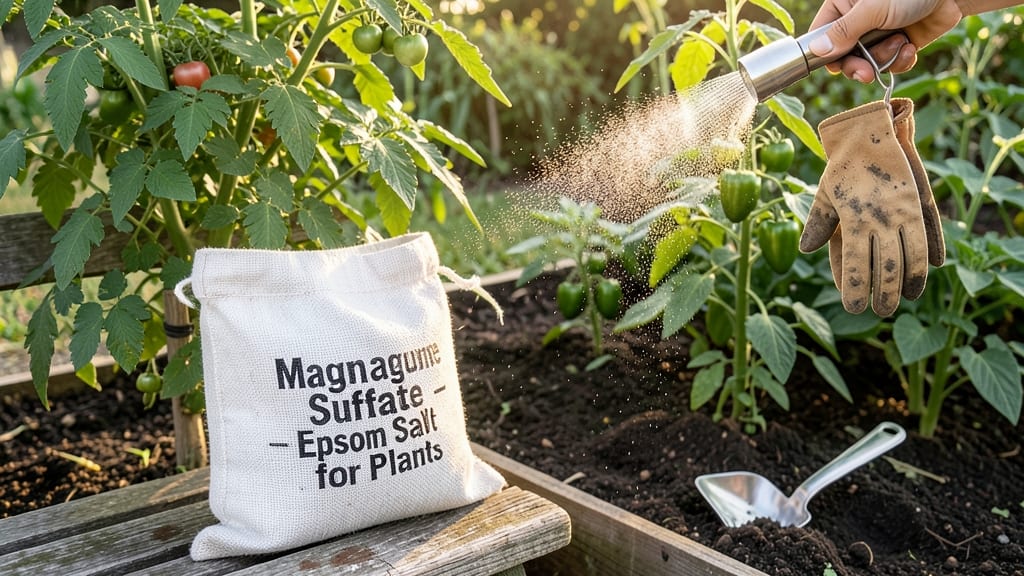
Adding Epsom salt to a vegetable garden boosts magnesium and sulfur, which enhance plant growth, strengthen stems, and improve chlorophyll production for healthier leaves and fruits. Use it sparingly to prevent over-fertilization.
Epsom salt works by delivering magnesium sulfate directly to plant roots, addressing deficiencies that often cause yellowing leaves or stunted growth. 🌱 Many gardeners swear by it for tomatoes and peppers, where magnesium helps prevent blossom-end rot.
I recommend mixing 1 tablespoon per foot of plant height into the soil monthly during the growing season, but always test your soil first—some gardens already have ample magnesium.
This isn't a standalone fertilizer, though. Think of it as a supplement to balance other nutrients. For example, if your soil lacks sulfur, Epsom salt helps there too, but it won't replace nitrogen or phosphorus. Pair it with compost or organic fertilizers for the best results.
One common mistake is overusing it—too much magnesium can actually block other nutrients like calcium. Always follow the 1 tablespoon per foot guideline and monitor your plants' response. If leaves stay green and stems stay sturdy, you're likely on the right track!
💡 In This Article
- How Epsom Salt Enhances Magnesium Uptake in Vegetables
- Best Practices for Applying Epsom Salt to Vegetable Gardens
How Epsom salt enhances magnesium uptake in vegetables
Magnesium acts as the central atom in chlorophyll—the green pigment that captures sunlight for photosynthesis. When vegetables like tomatoes or peppers show yellowing between leaf veins (a condition called interveinal chlorosis), it’s often a sign of magnesium deficiency.
Epsom salt (magnesium sulfate) dissolves quickly in water, releasing magnesium ions that roots can absorb within 24-48 hours. This rapid uptake helps replenish magnesium stores in leaves, restoring their vibrant green color and improving energy production for growth.
The science gets even more interesting when you consider magnesium’s role in over 300 enzymatic reactions within plants. It activates enzymes that convert sugars into energy (ATP) and helps stabilize cell membranes.
For example, in tomato plants, magnesium deficiency can lead to blossom-end rot because calcium uptake is disrupted when magnesium levels drop. By applying Epsom salt, you’re not just fixing yellow leaves—you’re supporting the plant’s entire metabolic system, from root growth to fruit development.
Leafy greens like spinach and kale benefit dramatically from magnesium because they’re heavy feeders. Studies show that magnesium-deficient plants produce 20-30% less chlorophyll, which directly reduces their ability to photosynthesize.
When you dissolve 1 tablespoon of Epsom salt in 1 gallon of water and use it as a foliar spray, the magnesium is absorbed through leaves as well as roots, creating a two-pronged nutrient boost.
The key here is the sulfate component, which also aids in sulfur uptake—a nutrient critical for amino acid production and protein synthesis.
What most gardeners don’t realize is how magnesium interacts with other nutrients. For instance, high calcium levels can compete with magnesium for absorption, creating a deficiency even if both nutrients are present in the soil. This is why Epsom salt works best in balanced soil conditions.
If your soil test shows high calcium (common in alkaline soils), you might need to apply Epsom salt more frequently or pair it with a chelated iron supplement to prevent nutrient lockout.
Visual cues can help you gauge magnesium needs. Look for yellowing leaves starting at the older growth (a classic sign of deficiency) or purpling stems in tomatoes—a stress response when magnesium is scarce. The good news?
Magnesium deficiencies respond quickly to Epsom salt application, often showing improvement within 1-2 weeks of treatment. This makes it one of the fastest-acting supplements for vegetable gardens compared to slow-release organic fertilizers.
For the best results, apply Epsom salt when plants are actively growing—typically in the morning or early afternoon when temperatures are moderate (60-80°F). Avoid applying it during extreme heat or drought conditions, as the salt can draw moisture from plant tissues, causing additional stress.
Think of it as a nutrient shot rather than a long-term solution—consistent application (like a monthly boost) keeps magnesium levels optimal throughout the growing season.