
Tools
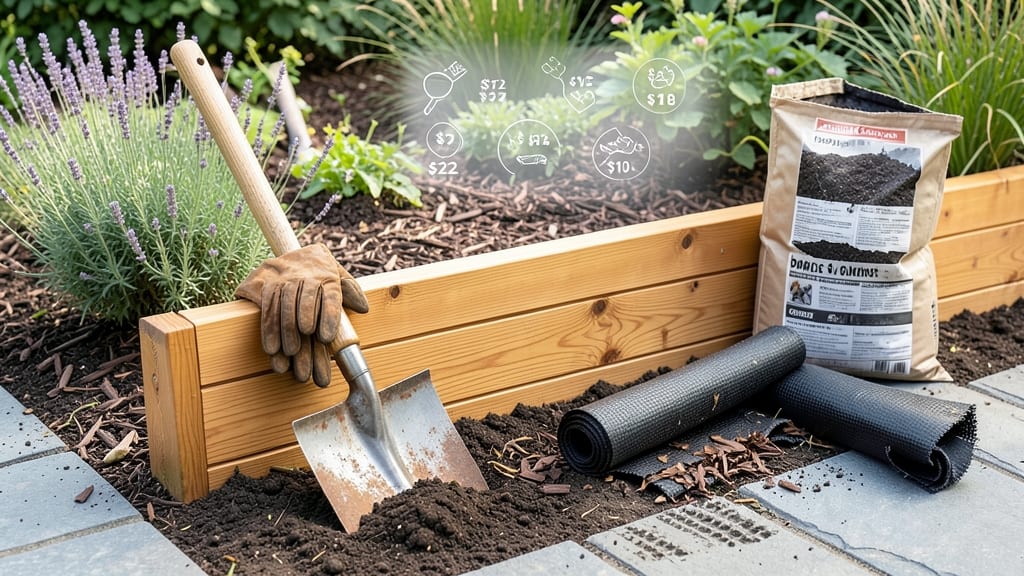
Planning a garden bed costs can save you money upfront and long-term. For a standard 4x8-foot raised bed, expect to spend between $50 and $500+, with cedar framing running $300–$600, composite materials costing $800–$1,500, and in-ground beds with soil amendments as low as $20–$150 depending on your soil quality and organic matter needs.
Your garden bed's total cost depends more on materials than size. 🌱 Cedar and redwood are popular for their natural rot resistance, but they're pricier than pressure-treated lumber. Composite materials last longer but come with a higher upfront price tag.
If you're working with an existing in-ground space, you'll mostly pay for soil amendments like compost or manure, which can drastically cut costs compared to building a raised structure from scratch.
For budget-conscious gardeners, repurposing materials like cinder blocks, bricks, or even old pallets can slash expenses while still creating functional beds. I've seen DIY beds built for under $30 using these alternatives, though they may require more maintenance over time.
Always factor in long-term costs like soil replenishment and potential replacements for materials that degrade faster.
💡 In This Article
- Key Factors Affecting Raised Garden Bed Material Costs
- Budget-Friendly Ways to Build a Garden Bed for Less
Key factors affecting raised garden bed material costs
Material choice drives 80% of your garden bed's total cost, with cedar and redwood topping the premium list due to their natural resistance to rot and insects.
A 4x8-foot cedar bed requires 4-6 boards (2x6 or 2x8 inches) and 4 corner posts, typically costing $300–$600 depending on local lumberyard prices.
In humid regions like the Pacific Northwest, cedar's natural oils make it worth the splurge—it lasts 10–15 years without treatment, while pressure-treated lumber may warp or fade in 5–7 years.
Composite materials like Trex or EcoWood eliminate rot concerns entirely but carry a $800–$1,500 price tag for the same size bed. These plastic-lumber hybrids resist pests and warping, but their 30–50% higher upfront cost is offset by 20+ years of durability.
Metal beds (galvanized steel or aluminum) fall in the mid-range at $400–$900, offering rust resistance but requiring annual paint touch-ups to prevent corrosion. The hardware—screws, brackets, and drainage holes—adds $20–$50 to any build, with stainless steel options costing 2x more than basic galvanized hardware.
Regional lumber prices swing wildly: A 4x8-foot cedar bed might cost $450 in Oregon (where cedar grows locally) but $700+ in Florida due to shipping costs. Salvage yards often slash prices by 30–50% for reclaimed wood, though you'll need to sand and seal it yourself.
The bed's height also impacts cost—taller beds (12+ inches) use more lumber but improve drainage and reduce bending for taller gardeners. A 2-foot-high cedar bed adds $100–$200 to materials but pays off in long-term comfort and soil quality.
Drainage considerations add another layer: Beds without drainage holes risk waterlogging, which stunts root growth. Adding 1/4-inch drainage holes along the bottom costs $10–$30 in extra materials but prevents $50+ in future soil replacement if roots rot.
For containers, the cost per square foot jumps—$15–$30/sq ft for heavy-duty fabric grow bags compared to $5–$10/sq ft for wood frames. The trade-off? Fabric bags weigh 90% less when empty, making them ideal for renters or small spaces.
Labor costs vary dramatically: DIY builds save $100–$300, but hiring a pro for assembly adds $150–$400 depending on complexity. I've seen handyman crews charge $50–$75/hour for raised beds, while landscape contractors bill $75–$120/hour for custom designs.
The time savings alone may justify the cost if you're planting high-value crops like herbs or microgreens that require precise spacing.
Don't overlook the "hidden" costs: Soil alone can add $50–$200 for a 4x8-foot bed, depending on whether you use store-bought mix ($3–$5 per bag) or compost homemade blends. Mulch and ground covers (like straw or wood chips) add $20–$50 annually to maintain healthy soil.
Over 5 years, these ongoing expenses can equal or exceed the initial bed cost—making material durability a smarter long-term investment than cheap, short-lived options.