
Landscaping
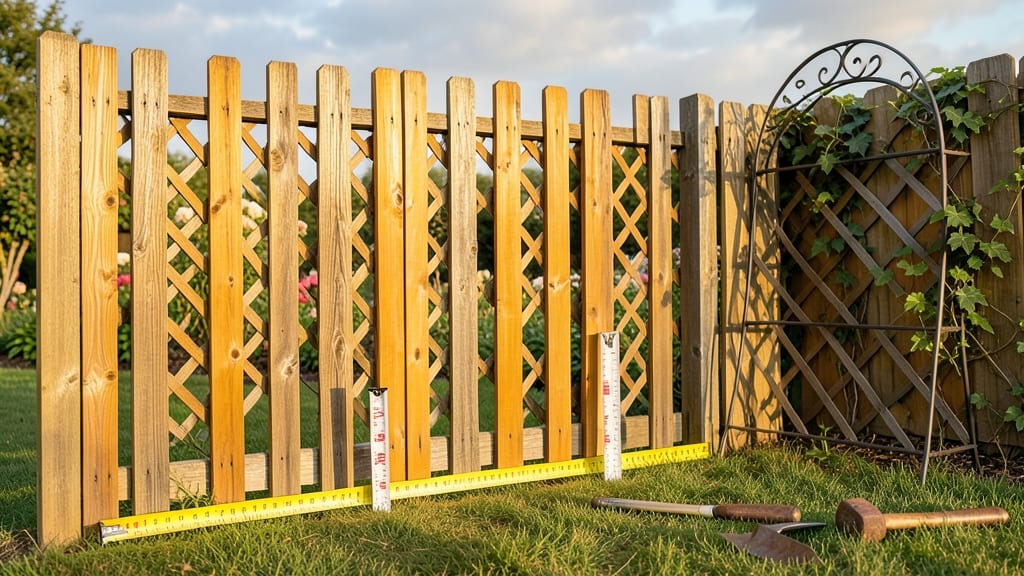
Determining garden fence height depends on local regulations, which usually set residential limits between 3 to 6 feet, though some communities permit taller barriers for privacy or noise control. Before installation, verify your area's zoning laws to prevent legal issues or neighbor conflicts.
Local laws often dictate garden fence height to balance privacy with neighborhood harmony, but exceptions exist for security or noise reduction. For example, HOAs might enforce stricter limits (like 4 feet) in suburban areas, while rural zones may allow 8-foot privacy screens.
I always recommend checking with your city's building department or HOA board first—skipping this step could lead to costly removals. 🔥
Beyond legal limits, consider your garden's purpose. A 6-foot fence blocks views effectively, while 8-foot options (if permitted) create stronger windbreaks or sound barriers. Materials matter too: cedar resists rot better than pine, and vinyl lasts longer than wood but costs more upfront.
Pro tip? Plant tall shrubs like arborvitae along the fence line to boost privacy without breaking height rules.
💡 In This Article
- How Local Zoning Laws Determine Fence Height Limits
- Best Privacy Fence Heights for Gardens and Landscaping
How local zoning laws determine fence height limits
Local fence height regulations stem from municipal zoning ordinances designed to maintain neighborhood aesthetics and property values. These laws typically categorize fences by type—front yard, side yard, or rear yard—and set distinct height limits.
For instance, front yard fences often face stricter restrictions (commonly 3 to 4 feet) to preserve curb appeal, while rear yard fences may allow 6 feet for privacy.
The science behind these rules involves balancing visibility, safety, and property rights—studies show that excessive fence heights can obstruct emergency vehicle access or create fire hazards.
Homeowners' associations (HOAs) add another layer of regulation, often enforcing even stricter limits (like 4 feet) to maintain uniform neighborhood appearances. Violations can trigger fines or mandatory removals, so always review your HOA's covenants before installation.
Municipal codes also consider property lines: fences must typically sit at least 6 inches from a neighbor's boundary unless shared. This prevents disputes over encroachment, which can escalate into costly legal battles.
For example, a 6-foot fence installed 1 foot over the property line might seem harmless, but it could void your insurance coverage if a neighbor reports it.
Exceptions exist for security or noise barriers, where local laws may permit taller fences (up to 8 feet) with proper permits. These cases require documentation, such as police reports for crime-prone areas or noise complaints from neighbors.
The permitting process often involves submitting site plans to the building department, where inspectors verify compliance with setbacks, materials, and structural integrity.
For instance, a 7-foot chain-link fence might be approved in a high-traffic area to reduce noise pollution from nearby roads, while the same height in a residential zone could face denial.
To avoid surprises, start by visiting your city's building department website or calling for a copy of local zoning maps. Many municipalities offer online tools to check property boundaries and fence height restrictions by address.
Pro tip: Ask about "grandfather clauses," which may allow existing fences taller than current codes to remain—this could save you from costly removals if you're buying a home with an older fence. Always document your research, including permit numbers and approval dates, to protect your investment.
Understanding these legal nuances prevents costly mistakes. For example, a homeowner in Austin, Texas, faced a $2,500 fine for installing a 6-foot fence in their front yard when the local code limited it to 4 feet.
The lesson? When in doubt, consult a local contractor familiar with zoning laws—they can often spot red flags before you submit permits. This upfront effort saves time, money, and headaches down the road.