
Tools
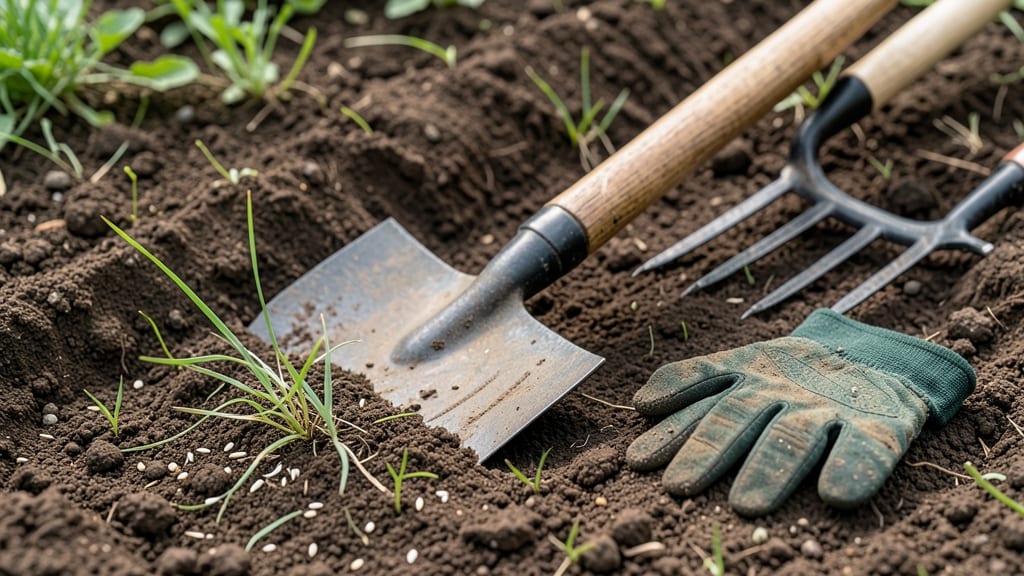
A garden hoe has countless uses beyond weeding, including cultivating soil, slicing through stubborn roots, leveling garden beds, and harvesting shallow crops like radishes and potatoes.
A garden hoe transforms your gardening workflow by doing more than just removing weeds—it's a soil sculptor and maintenance powerhouse. 🌱 The right blade angle can either chop through roots or scrape away compacted soil, while its long handle gives you leverage to work deeper without straining.
I've used mine to create precise furrows for seed planting, clear debris from pathways, and even trim shallow-rooted perennials without damaging the main plant. The key is matching the blade type to your task: a stiff, flat blade for weeding versus a narrower, pointed one for root cutting.
What many gardeners don't realize is how versatile this tool becomes when paired with proper technique. For instance, using a hoe to create shallow trenches before planting helps control weeds naturally by blocking sunlight to weed seeds.
The same tool can later be used to harvest crops like carrots or beets by carefully slicing around their roots. This dual-purpose functionality makes a garden hoe one of the most cost-effective investments for any gardener—whether you're maintaining a vegetable patch or tidying up landscape edges.
💡 In This Article
- How a Garden Hoe Shapes Soil and Plant Health
- 10 Unexpected Ways to Use a Garden Hoe in Your Yard
How a garden hoe shapes soil and plant health
A garden hoe's blade isn't just for weeding—its design creates a physical transformation in your soil. The flat, rectangular blade of a standard hoe works like a precision chisel, slicing through the top 1-2 inches of soil to break up hardpan layers that restrict root growth.
This action mimics natural tillage but with far more control, preventing the deep compaction that heavy foot traffic or machinery often causes. When you drag the hoe horizontally through the soil, you're essentially "fluffing" the top layer, which improves water infiltration and oxygen exchange for plant roots.
The sharp edge of a hoe blade disrupts weed seed germination by exposing buried seeds to sunlight and air, which they need to sprout. Studies show that regular hoeing can reduce weed populations by up to 70% by preventing seeds from establishing.
The key is timing—working the soil when it's slightly moist (not muddy) allows the blade to cut cleanly without clumping.
For example, a stiff blade hoe with a 12-inch handle can reach deeper than a hand trowel while maintaining precision, making it ideal for creating seedbeds with fine, crumbly texture rather than compacted clods.
Beyond weeding, hoes help maintain soil structure by preventing crust formation—the hard, baked surface that forms after rain. This crust can block water penetration and seedling emergence. By hoeing after heavy rainfall, you break this crust while simultaneously creating micro-channels that improve drainage.
The blade's angle matters too: holding it at a 45-degree angle creates deeper cuts for aeration, while a steeper angle (70 degrees) lifts soil for better moisture retention in dry climates.
This dual functionality makes hoes essential for both sandy soils (which need structure) and clay soils (which need drainage).
For plant health, hoes can also be used to create "hillocks" around young plants, directing water to the root zone while keeping stems dry. The same blade that slices through weeds can gently mound soil around tomatoes or peppers to prevent rot.
What's often overlooked is how hoeing can control soil-borne diseases by exposing pathogens to sunlight, which breaks down organic matter more quickly. For instance, hoeing between rows of carrots not only removes weeds but also reduces the risk of fungal infections by improving air circulation at the soil surface.
Consider these blade types for specific soil tasks:
- Standard flat blade: Best for general weeding and soil cultivation (works well in most garden soils)
- Warren hoe (triangular blade): Ideal for cutting roots and working in rocky soil
- Stirrup hoe (loop blade): Perfect for deep cultivation without bending over
The right technique transforms your hoe from a simple tool to a soil scientist's instrument—helping you create the perfect growing environment for your plants. 🌱