
Tools
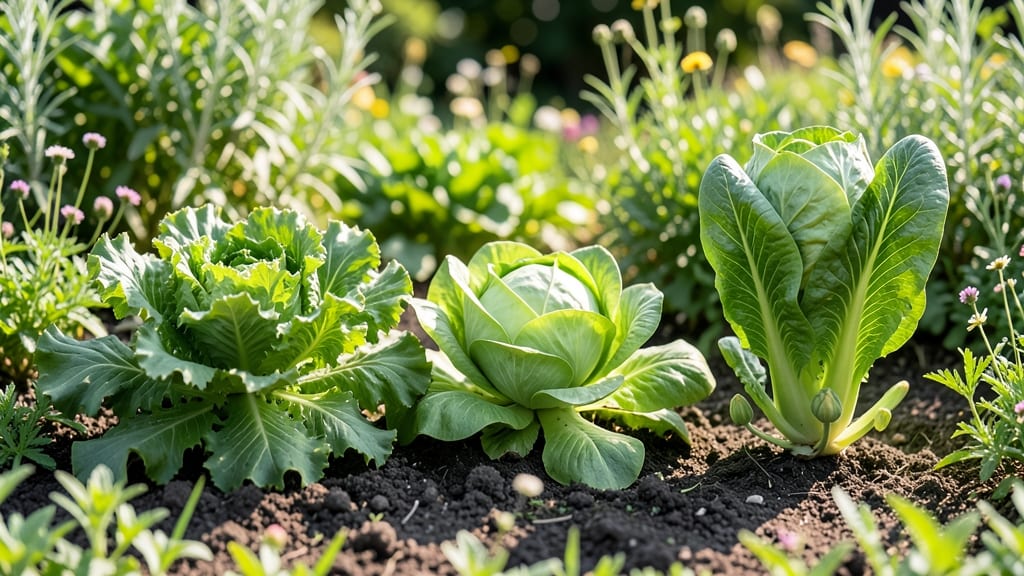
Garden lettuce types vary widely in growth speed, flavor, and texture, with fast-growing varieties like Buttercrunch, Romaine, and Leaf Lettuce thriving in 30-50 days. Choose loose-leaf types for continuous harvests or head varieties for crisp, structured salads.
When selecting garden lettuce varieties, your choice impacts everything from harvest timing to salad texture. 🌱 Buttercrunch delivers a sweet, tender bite perfect for sandwiches, while Romaine stands tall with its sturdy stems—ideal for Caesar salads.
Loose-leaf types like Black Seeded Simpson regrow after cutting, giving you multiple harvests from a single planting. For heat tolerance, varieties such as Jericho or Summer Crisp stay productive when other greens bolt, extending your growing season by weeks.
Pro tip: Plant succession crops every 2-3 weeks to maintain a steady supply, especially in warmer climates where lettuce bolts quickly. Pairing lettuce with radishes or carrots in the same bed creates a low-maintenance salad garden that thrives together.
💡 In This Article
- How Fast-Growing Lettuce Varieties Compare in Taste and Texture
- Best Lettuce Varieties for Year-Round Home Salad Gardens
How fast-growing lettuce varieties compare in taste and texture
The speed at which lettuce varieties mature isn't just about days in the ground—it's about how they develop flavor and texture. Leaf lettuce like Black Seeded Simpson reaches harvestable size in just 30-40 days because its loose, non-heading growth focuses energy on leaf expansion rather than forming a tight head.
These varieties have a delicate, slightly peppery taste that intensifies when grown in cooler weather, with leaves reaching 4-6 inches long and a tender, almost silky texture perfect for quick salads.
Romaine varieties like Parris Island take 45-55 days to mature because they devote resources to both leaf growth and a sturdy central stem. The texture is crisp with a satisfying crunch, thanks to higher cellulose content in the leaves, while the flavor balances mild sweetness with a subtle bitterness. Butterhead types like Buttercrunch mature in 50-60 days but deliver a buttery, almost creamy texture due to their overlapping leaves that trap moisture. 🌿 The key difference? Butterhead's softness makes it ideal for blending into dressings or wrapping around meats, while Romaine's structure holds up better in layered salads.
Heat tolerance plays a surprising role in growth speed. Varieties like Jericho lettuce mature in 40-50 days even in 80-90°F temperatures because they've been bred to resist bolting—the process where lettuce sends up a flower stalk prematurely.
This heat resistance means you can grow them in late summer or early fall when other varieties would become bitter or woody. The trade-off? Heat-tolerant varieties often have slightly milder flavors compared to their cool-season counterparts, which develop more complex sweetness when grown in temperatures below 70°F.
Texture differences stem from cellular structure. Crisphead lettuces like Iceberg have tightly packed cells filled with water, creating that signature crunch. In contrast, loose-leaf varieties have larger, more loosely arranged cells that feel velvety when torn by hand.
This cellular arrangement also affects how lettuce handles heat—tightly packed varieties like Iceberg (which takes 70-80 days to mature) tend to bolt faster in warm conditions because their dense structure concentrates heat-sensitive compounds.
For home gardeners, this means choosing the right variety isn't just about speed—it's about matching your climate and intended use. If you're growing for continuous harvests, loose-leaf varieties let you pick outer leaves while the center keeps growing.
For head lettuces, timing your planting so heads mature just before you need them (like 60 days before a dinner party) ensures peak crispness. The secret? Harvest in the morning after dew has dried but before the sun intensifies—this preserves both texture and flavor at their peak.
One often-overlooked factor is how lettuce varieties interact with pests. Loose-leaf types like Oakleaf (harvestable in 35-45 days) are less appealing to slugs because their irregular shapes make them harder to consume. Meanwhile, crisphead varieties attract more pests due to their uniform, tender leaves.
This biological quirk means you might need to adjust your pest control strategies based on the variety you're growing, adding another layer to the speed-texture-flavor equation.