
Planting
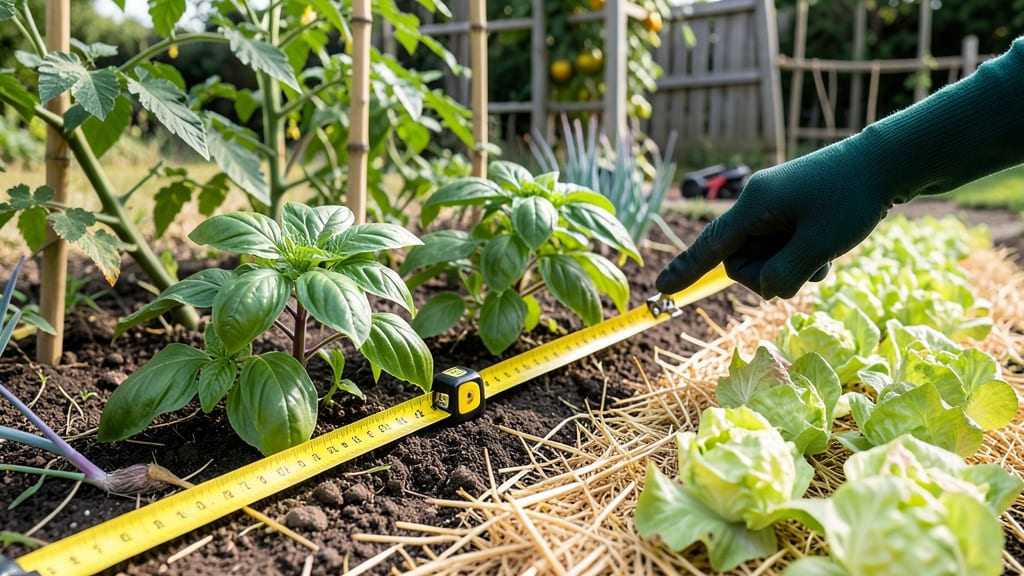
Proper garden row spacing prevents overcrowding and ensures healthy plant growth by allowing adequate access to sunlight, water, and nutrients—typically ranging from 12 to 36 inches, depending on the plant's mature size and type. Smaller plants like lettuce thrive with 6–12 inches, while larger crops such as tomatoes need 18–36 inches for optimal development.
Row spacing isn't just about fitting more plants—it's about creating an ecosystem where each plant can thrive. 🌱 For instance, leafy greens like spinach or kale need closer spacing (6–12 inches) because they grow quickly and don’t require as much air circulation.
On the other hand, larger plants like corn or squash benefit from wider rows (up to 36 inches) to prevent disease and allow proper root expansion. Many gardeners also adjust spacing based on soil quality; richer, well-draining soil can sometimes support slightly tighter arrangements.
Another key factor is plant family traits. Plants in the same family (like tomatoes and peppers in the solanaceae family) often have similar spacing needs, while companion planting can sometimes reduce required space. For example, pairing carrots with onions can help maximize space efficiency while improving growth conditions.
Always check seed packets for specific recommendations—these guidelines are based on years of horticultural research to balance yield and plant health.
💡 In This Article
- How Plant Mature Size Determines Row Spacing Needs
- Best Row Spacing by Plant Category for Maximum Yield
How plant mature size determines row spacing needs
Root competition is the primary reason spacing matters—plants with extensive root systems like squash or pumpkins need 30-36 inches between rows to prevent roots from tangling and stealing nutrients.
These vining plants develop sprawling root networks that can extend 3-5 feet wide when mature, creating a silent battle for water and minerals. 🌿 For example, a butternut squash plant's roots can spread nearly 8 feet in diameter, yet gardeners often cram them into 12-inch rows, leading to stunted growth and disease.
Sunlight exposure creates another critical factor—taller plants like corn or sunflowers need 18-36 inches between rows to prevent shading of shorter neighbors. The top canopy of a mature corn plant can block 70-80% of sunlight reaching the ground, which is why interplanting with shallow-rooted crops like beans is common.
Leafy greens, however, thrive in tighter 6-12 inch rows because their rapid growth cycle means they'll be harvested before they outcompete each other for light.
Air circulation plays a surprising role in spacing—crowded plants trap moisture, creating ideal conditions for fungal diseases like powdery mildew. Tomatoes, for instance, need 18-24 inches between rows to allow air to flow, reducing humidity around the leaves by 20-30%.
This isn't just theory; studies show that properly spaced tomato plants develop 30% stronger stems and 25% more fruit due to better air movement and reduced disease pressure.
Plant families share similar spacing needs because they evolved with comparable growth habits. The brassica family (cabbage, broccoli, kale) typically requires 12-18 inches between rows, while solanaceae (tomatoes, peppers, eggplants) need 18-24 inches.
These patterns aren't random—they reflect thousands of years of natural selection where plants developed root structures and growth patterns suited to their ecological niches. Even within families, exceptions exist: dwarf varieties might fit into 12-inch rows, while heirloom types need full spacing.
Soil type affects spacing needs too—plants in heavy clay soils often need slightly wider rows (20-25% more space) because their roots struggle to penetrate compacted earth. In contrast, loose, well-draining soils allow roots to spread more efficiently, sometimes enabling slightly tighter arrangements.
The key is matching spacing to both the plant's mature size AND your soil's ability to support that growth without competition. 🌱