
Advice
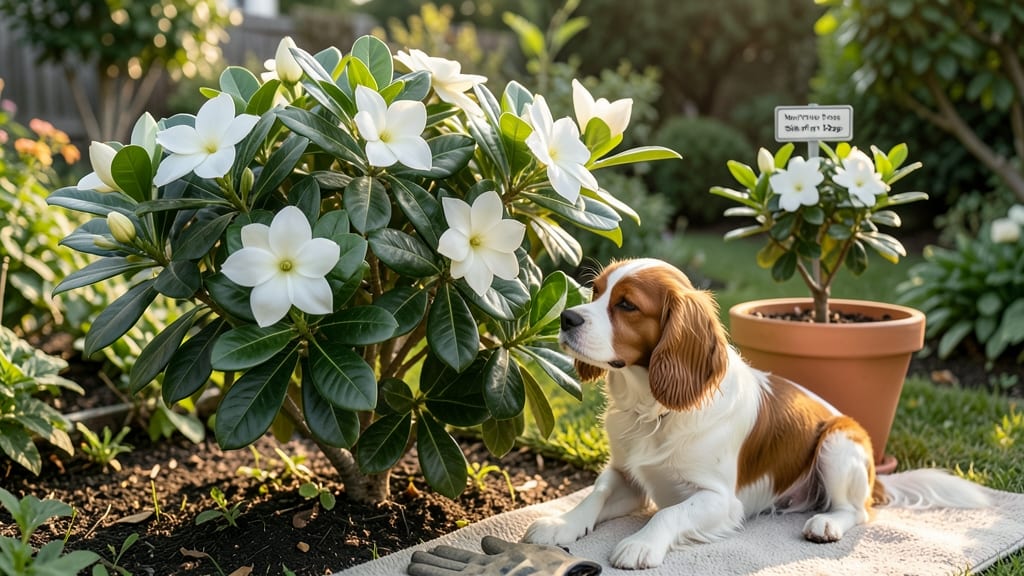
Gardenia plants are not dog-safe—their leaves, flowers, and stems contain toxic compounds like saponins and essential oils that can cause vomiting, diarrhea, and skin irritation in pets. Avoid placing gardenias where dogs can access them, and opt for non-toxic alternatives like spider plants or Boston ferns instead.
Gardenia toxicity stems from its natural defense mechanisms—those same compounds that give gardenias their intoxicating fragrance can trigger digestive upset in dogs. 🌸 Even a small nibble on a leaf or stem may cause drooling, lethargy, or worse, depending on your pet's size and sensitivity.
I always recommend removing gardenias from homes with curious pups, as the risk isn't worth the aesthetic—especially since safer alternatives like African violets or sunflowers offer just as much beauty without the health hazards.
For pet owners who love gardening, the good news is that many flowering plants are completely safe. Roses, marigolds, and even some herbs like basil and mint make excellent pet-friendly choices.
The key is researching each plant's toxicity level before bringing it indoors—your dog's safety is worth swapping out just one or two non-essential plants from your collection.
💡 In This Article
- Toxic Compounds in Gardenias and Their Effects on Dogs
- Best Dog-Friendly Flowering Plants for Pet Owners
Toxic compounds in gardenias and their effects on dogs
The real danger in gardenias lies in their saponins—a group of natural chemicals that create soap-like compounds when mixed with water. These compounds irritate a dog's digestive tract, causing inflammation and disrupting nutrient absorption.
Gardenias also contain volatile essential oils, including jasmine ketone and linalool, which can trigger respiratory distress when inhaled or ingested in concentrated forms. Even the sweet fragrance that humans adore becomes a health hazard for pets.
When a dog chews gardenia leaves or flowers, the saponins immediately begin breaking down into irritating glycosides that attack the stomach lining. Symptoms typically appear within 30 minutes to 2 hours and may include excessive drooling, gagging, soft or bloody stool, and lethargy.
Larger dogs may show milder symptoms, while small breeds or puppies can experience severe reactions—including dehydration or weakness—from just a few bites. The ASPCA confirms that gardenia toxicity is dose-dependent, but there's no safe threshold.
What makes this particularly concerning is how gardenias release their toxins even when dried. A bouquet left within a dog's reach can pose just as much risk as fresh plants.
The essential oils remain potent in dried petals, meaning long-term exposure (like having gardenias in a vase) can lead to chronic low-grade poisoning, causing weight loss or skin irritation over time. The scent itself may also attract curious pets, making it harder to prevent accidental ingestion.
Here's what happens chemically: saponins disrupt cell membranes in a dog's digestive system, while essential oils overstimulate the nervous system. This dual attack explains why some dogs experience both gastrointestinal and neurological symptoms—like vomiting followed by tremors or disorientation.
The ASPCA's Animal Poison Control Center reports that gardenia-related cases often require IV fluids to manage dehydration from prolonged vomiting.
If you suspect your dog has ingested gardenia, contact your vet immediately—even if symptoms seem mild. The first 6 hours are critical for intervention. Keep a sample of the plant (if possible) to help your vet determine the exact level of exposure.
Remember, all parts of the gardenia plant—leaves, flowers, stems, and even the roots—contain these harmful compounds, so no part is safe for curious pets.
For pet owners who love the gardenia scent, consider synthetic fragrances or pet-safe essential oil diffusers (like lavender or chamomile) instead. These alternatives provide the same calming atmosphere without the toxicity risk. 🌿