
Planting
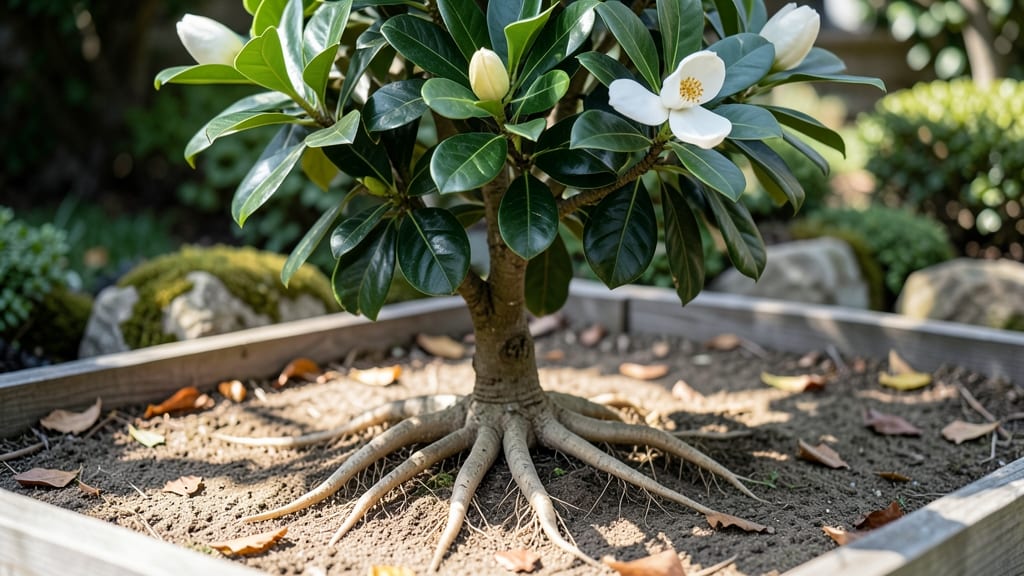
The gardenia root system develops shallow but expansive roots, typically growing 12–18 inches deep while spreading 2–3 feet wide at maturity. For healthy growth, plant gardenia roots 2–3 inches below soil level in well-draining, slightly acidic soil to prevent rot.
Understanding how gardenia roots behave helps you avoid common pitfalls like overwatering or poor drainage. 🌱 These plants thrive when their fibrous roots can spread horizontally without becoming waterlogged, which is why I always recommend amending garden soil with organic matter like compost or pine bark.
The shallow depth also means gardenias are sensitive to temperature fluctuations—protecting them from frost or extreme heat is key to long-term health.
When planting, focus on creating a loose, airy soil environment. A mix of peat moss and sand works wonders for improving drainage while maintaining the slightly acidic pH gardenias prefer.
For container gardening, ensure the pot has drainage holes and use a well-aerated potting mix to mimic their natural soil conditions.
💡 In This Article
- How Deep and Wide Gardenia Roots Grow Naturally
- Best Soil Depth and Planting Techniques for Gardenias
How deep and wide gardenia roots grow naturally
Gardenia roots develop as a fibrous network rather than a single taproot, which explains their shallow yet expansive spread. These roots prioritize horizontal growth to access nutrients and moisture near the surface, typically reaching 12–18 inches deep while extending 2–3 feet wide at maturity.
This pattern mirrors other tropical shrubs like azaleas, which also thrive in similar shallow, well-draining conditions. The key difference? Gardenias develop slightly finer root hairs, allowing them to absorb water more efficiently in humid climates.
The root system's depth and width are heavily influenced by soil aeration and organic matter. In compacted or clay-heavy soils, roots may struggle to penetrate beyond 6–10 inches, forcing them to grow wider to compensate.
Sandy soils, conversely, allow roots to spread deeper (18+ inches) but require frequent watering to prevent drought stress. Seasonally, gardenia roots grow most aggressively during spring and early summer, when temperatures hover around 70–85°F—ideal for microbial activity that breaks down organic matter into root-friendly nutrients.
What most gardeners overlook is how root competition affects gardenia health. When planted too close to other shrubs (like camellias), their roots can tangle, leading to stunted growth or yellowing leaves. The solution? Space gardenias at least 3–4 feet apart to give roots room to expand.
This spacing also reduces the risk of fungal diseases, as crowded roots trap moisture and create anaerobic conditions that promote rot.
Another fascinating aspect is how gardenia roots respond to transplant shock. When moved, even mature roots take 4–6 weeks to adjust to new soil conditions.
This is why I always recommend pruning back 20–30% of the root ball during transplanting—it encourages new, healthier root growth rather than relying on stressed old roots. The trade-off? Temporary flowering reduction, but the long-term benefits for root vitality are worth it.
For comparison, gardenia roots grow about half as deep as camellia roots (which can reach 2–3 feet deep) but spread nearly twice as wide. This makes them more adaptable to container gardening, where root depth is naturally limited.
The trade-off? Container-grown gardenias may produce slightly smaller blooms unless you use large pots (15+ gallons) with deep drainage layers.
One pro tip: If you notice your gardenia's leaves turning yellow or wilting despite regular watering, it’s often a sign of root-bound conditions—a common issue in pots. Gently loosen the root ball and check for roots circling the container.
If you see this, it’s time to repot into a larger container or plant in-ground to give those roots room to breathe.