
Planting
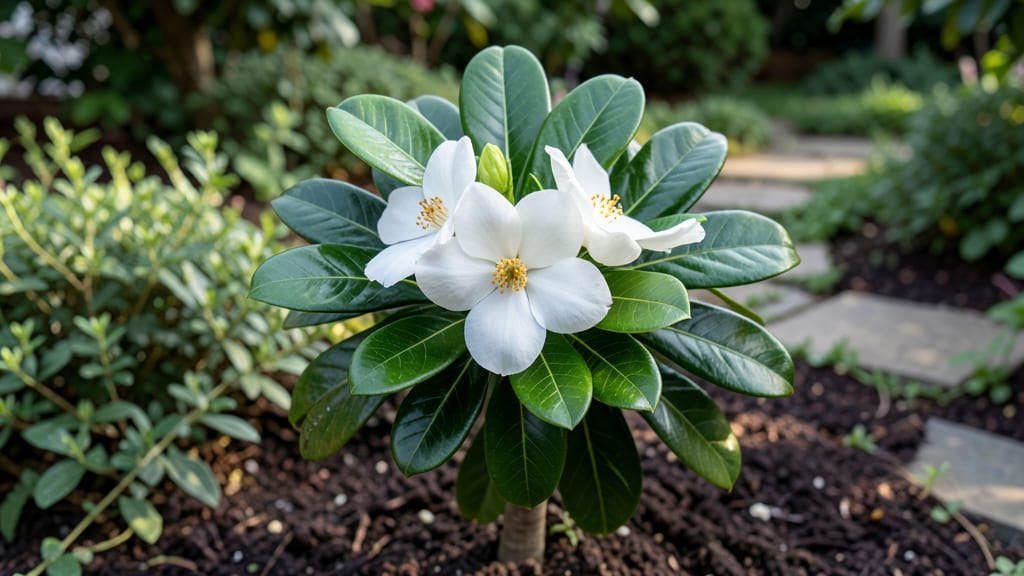
Gardenias flourish in Zone 7 because of its moderate climate, providing partial shade, well-draining acidic soil, and consistent moisture. Plant them in spring after the last frost, use heavy mulch, and shield them from late-season cold to guarantee abundant, fragrant blooms.
Zone 7's mild winters and warm summers create the perfect balance for gardenias, which hate extreme heat or cold. 🌿 These plants love acidic soil (pH 5.0-6.5)—think pine bark or peat moss—and need protection from harsh afternoon sun.
I've found that morning sun with afternoon shade works best, especially in areas like Atlanta or Raleigh where humidity is naturally higher. The key is mimicking their native tropical environment while adapting to Zone 7's seasonal shifts.
When planting, timing matters most—spring is ideal because it gives roots time to establish before summer's heat arrives. Mulching with 3-4 inches of organic material helps retain moisture and regulate soil temperature, while winter protection (like burlap wraps) prevents cold damage that can kill the plant.
The result? A gardenia that blooms reliably from late spring through summer, filling your yard with that classic, intoxicating fragrance.
💡 In This Article
- Ideal Growing Conditions for Gardenias in Zone 7
- Step-by-Step Planting and Maintenance Guide for Zone 7 Gardenias
Ideal growing conditions for gardenias in Zone 7
Zone 7's climate creates the perfect balance for gardenias because it mimics their native tropical conditions without extreme temperature swings. These plants thrive in temperatures between 60°F and 85°F—ideal for Zone 7's warm summers and mild winters.
The key is avoiding both winter freezes (below 20°F) and summer heatwaves (> 90°F), which can stress the plant. Gardenias are sensitive to cold because their leaves contain essential oils that can crystallize and damage cells when exposed to temperatures below 32°F. 🌿
Their native habitat in Southeast Asia explains why gardenias demand acidic soil (pH 5.0-6.5)—similar to the peat-rich forests where they originally grew. In Zone 7, you can achieve this by amending garden soil with pine bark fines or sulfur, which lowers pH naturally.
The soil must also be well-draining to prevent root rot, as gardenias hate soggy conditions. A mix of 60% native soil, 30% peat moss, and 10% perlite creates the ideal texture while maintaining moisture retention without waterlogging.
Sunlight needs are another critical factor. While gardenias enjoy bright light, they prefer morning sun with afternoon shade in Zone 7's intense summer heat. Direct afternoon sunlight can scorch leaves, causing brown edges—a common problem in hot climates like Atlanta or Raleigh.
The partial shade helps maintain leaf temperatures below 85°F, which is crucial for photosynthesis efficiency. 🌞 This balance between light and shade also reduces water stress, allowing the plant to focus energy on blooming rather than heat protection.
Humidity plays a surprising role in gardenia care. These plants originate from tropical regions where relative humidity stays above 50%, but Zone 7's summers often dip below this threshold. To compensate, I recommend placing gardenias near water features or using a hose to mist leaves daily during dry spells.
The high humidity prevents bud drop—a common issue when buds form but don't open due to dry air. In containers, grouping plants together creates a microclimate that maintains moisture levels around the foliage.
One often-overlooked factor is airflow. Gardenias need gentle breezes to prevent fungal diseases like powdery mildew, which thrives in stagnant, humid conditions. In Zone 7's still summer afternoons, positioning plants where they receive 3-5 mph of airflow (like near a porch or patio) helps maintain healthy foliage.
This airflow also aids in pollination, ensuring those iconic white blooms develop properly. The combination of proper airflow, humidity, and light creates the perfect environment for gardenias to thrive in Zone 7's climate.
Finally, the fragrance you love comes from the plant's natural oils, which are most potent when growing conditions are optimal. When gardenias receive the right balance of sunlight, soil acidity, and moisture, they produce 2-3 times more essential oils in their blooms compared to stressed plants.
This is why your Zone 7 gardenia will reward you with that intoxicating scent—it's not just about survival, but about thriving in conditions that maximize its natural beauty. 🌸