
Size
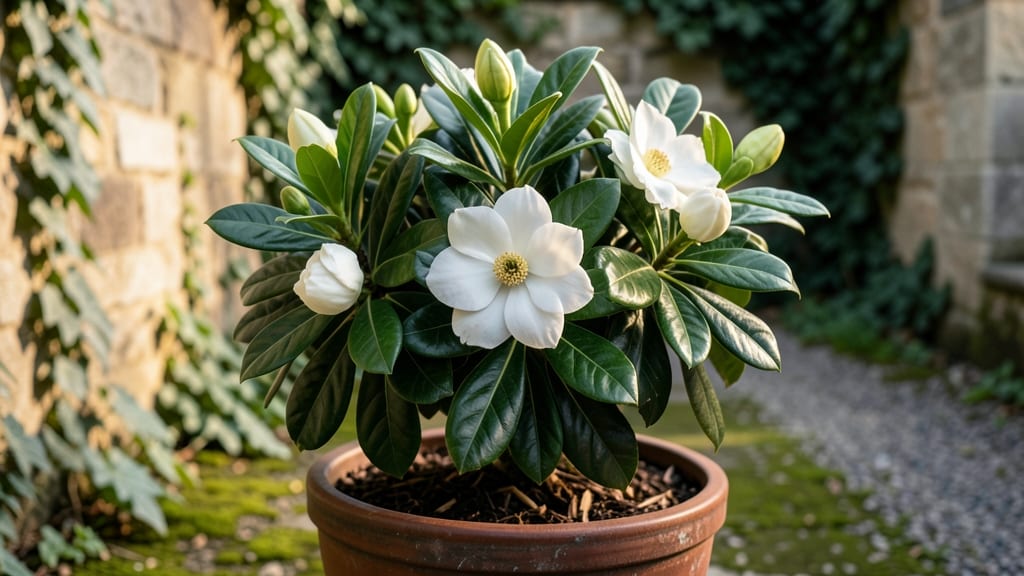
Understanding the gardenia shrub size is the first step to keeping it healthy and thriving in your garden 🌸 — because the wrong spot can mean fewer blooms and more frustration.
If you’ve ever struggled to control your gardenia’s rapid growth or wondered how to plan for its mature size, you’re not alone. Many gardeners face this challenge, especially when choosing between dwarf varieties for containers or larger shrubs for borders.
Most gardenias reach 3 to 6 feet tall, but the variety makes all the difference. Gardenia jasminoides, for example, stays compact, while Gardenia augusta can tower if left unpruned. Knowing these differences helps you pick the right plant for your space.
Below, I’ll break down exact height ranges by variety, how size affects pruning, and tips for managing growth—whether you’re working with a small patio garden or a sprawling landscape.


Exact height ranges of popular gardenia shrub varieties
Choosing the right gardenia variety starts with understanding their mature sizes—this determines everything from pruning needs to planting locations. Gardenia jasminoides, the most common type, typically ranges from 3 to 6 feet tall, but dwarf varieties can stay under 3 feet.
Knowing these height ranges helps you plan for spacing, container sizes, or hedge designs before planting.
Some gardenia varieties grow much taller, reaching heights of 8 to 10 feet, while others remain compact at just 18 to 24 inches. The key is matching your garden’s layout to the shrub’s growth habit—whether you need a low border plant or a tall privacy screen.
Let’s break down the exact height ranges for the most popular gardenia varieties.
🌱 Why size matters: Gardenias with mature heights over 5 feet require more space and heavier pruning to maintain shape. Smaller varieties, like ‘Radicans’, are perfect for containers or small gardens where space is limited.
If you’re growing gardenias in containers, ‘Radicans’ and ‘Fortuniana’ are ideal choices—their compact sizes (under 3 feet) make them perfect for balconies or patios. Just ensure your pot has drainage holes and is at least 12–18 inches deep to accommodate root growth.
For larger garden spaces, ‘Veitchii’ or Gardenia augusta can create stunning focal points, but they require regular pruning to control their rapid growth. Prune these varieties in early spring to shape them and encourage dense blooming.
One common mistake is planting gardenias too close together, assuming they’ll stay small. Standard varieties like ‘Kleim’s Hardy’ need at least 4–5 feet of space between plants to prevent overcrowding and improve airflow, reducing disease risk.
For gardeners in USDA Zones 8–10, taller varieties like Gardenia augusta thrive as specimen plants, while cooler climates benefit from dwarf or cold-hardy hybrids like ‘Kleim’s Hardy’. Always check your zone before selecting a variety to avoid winter damage.
Pruning needs vary widely: Dwarf varieties may only need light trimming once a year, while tall gardenias require 2–3 pruning sessions annually. Always use sterilized
How gardenia shrub size affects pruning and planting plans
Understanding your gardenia shrub’s mature size isn’t just about aesthetics—it directly impacts how you prune, space plants, and even prevent diseases. A 6-foot Gardenia jasminoides needs completely different care than a 2-foot dwarf variety.
The right spacing prevents overcrowding, which leads to poor air circulation and fungal issues like powdery mildew.
Larger gardenias (4–6 feet) require annual pruning to maintain shape and encourage dense blooms, while dwarf varieties may only need light trimming every 2–3 years.
Your planting plan should account for both the shrub’s width (often equal to or wider than height) and its growth rate—some varieties can grow 12 inches per year!
⚠️ callout warning
Planting gardenias too closely (closer than 3–4 feet) causes competition for nutrients, stunting growth and reducing blooms. Over-pruning young shrubs (cutting more than 1/3 of new growth) stresses the plant, making it vulnerable to pests. Always research your variety’s mature height and width before planting!
🌿 Pro Tip: Use a measuring tape to mark planting spots—gardenias hate being transplanted once established.
For standard gardenias, plan for 6–8 feet of clearance around the shrub to allow airflow and easy pruning access. Place them near patios or trellises where their height (4–6 feet) can be showcased.
Dwarf varieties (2–3 feet) thrive in containers or foundation plantings, making them perfect for small yards or urban gardens.
Pruning frequency changes with size: Large gardenias need light pruning after blooming (summer) and heavy shaping in late winter to remove dead wood. Smaller varieties may only require minimal trimming to remove spent blooms. Always use sterilized shears to prevent spreading disease between cuts.
Your gardenia’s size also affects watering needs. Larger shrubs have deeper root systems and need 1–1.5 gallons of water per week, while dwarf varieties in containers may only require ½ gallon every 2–3 days.
Mulching around the base (2–3 inches of pine bark or compost) helps retain moisture and regulates soil temperature.
If you’re growing gardenias in containers, choose pots that are at least 18–24 inches wide for dwarf varieties and 30+ inches for standard types. Root-bound plants grow slowly and produce fewer blooms, so repot every 2–3 years using fresh, acidic potting mix (pH 5.0–6.5).
Finally, consider your gardenia’s growth habit. Some varieties (like Gardenia radicans) spread wider than they grow tall, while others (like Gardenia augusta) stay compact. Match your planting plan to the shrub’s natural shape—this ensures balanced growth and healthier blooms year after year. 🌸