
Companion Plants
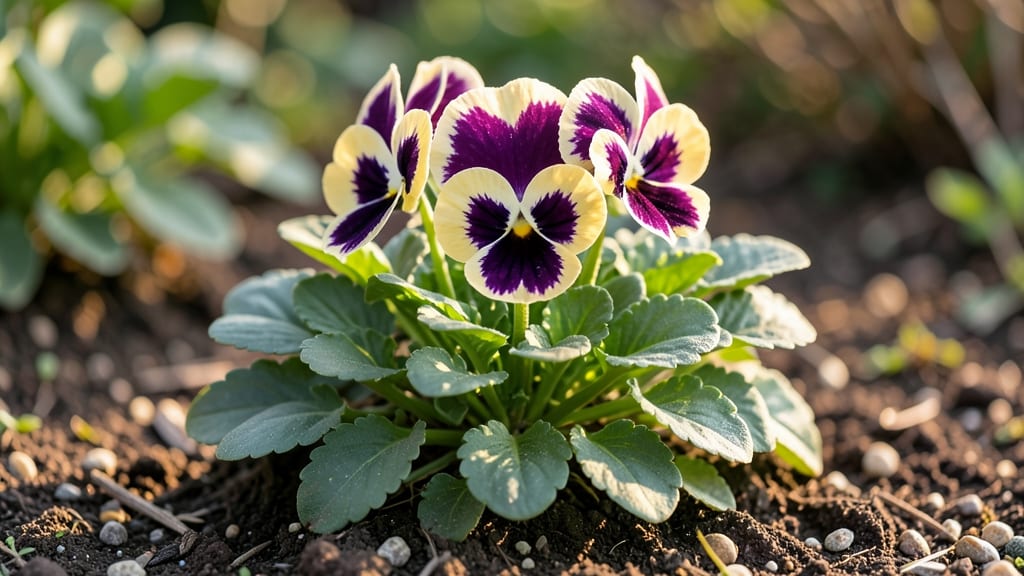
Good little garden plants include snapdragons for vibrant blooms, succulents like sedum for drought resistance, and basil for easy edible greens—all thrive with minimal care and brighten small spaces effortlessly.
These low-maintenance plants are perfect for beginners or anyone short on time.
Snapdragons, for example, bloom prolifically with just a few hours of sunlight daily, while sedum varieties like 'Dragon's Blood' practically take care of themselves once established. 🌱 Basil, meanwhile, grows aggressively—so you'll have more than enough for cooking or sharing.
The key to their success lies in their adaptability: most tolerate occasional missed waterings and even thrive in less-than-ideal soil conditions.
What sets these plants apart is their dual functionality—they're not just pretty faces. Succulents like sedum act as living air purifiers, while basil naturally deters pests like mosquitoes, making them both decorative and practical additions.
For small spaces, I recommend starting with just 2-3 varieties to avoid overwhelming your garden area while still enjoying a diverse, thriving collection.
💡 In This Article
- Why These Easy-Care Plants Survive with Minimal Effort
- Best Small-Space Garden Plants for Containers and Beds
Why these easy-care plants survive with minimal effort
These resilient plants thrive because of their innate drought tolerance, a trait rooted in their evolutionary adaptations. Succulents like sedum store water in thick, fleshy leaves, allowing them to go weeks without irrigation.
For example, 'Autumn Joy' sedum can survive on just 1 inch of water every 2-3 weeks once established—its waxy coating reduces evaporation by up to 40% compared to regular foliage. 💧 Snapdragons, meanwhile, develop deep root systems that access moisture from lower soil layers, making them far more drought-resistant than shallow-rooted annuals like marigolds.
Their light requirements are equally forgiving. Most of these plants flourish in 4-6 hours of sunlight daily, but they won't bolt or wilt if you occasionally forget to move them. Basil, for instance, grows well in partial shade, though its flavor intensifies with 6+ hours of sun.
The secret lies in their photosynthetic efficiency—these plants convert light into energy at a slower but steadier rate than sun-hungry varieties like tomatoes, which require full sun (8+ hours) to produce optimal yields.
This adaptability means you can place them in east-facing windows or balconies where direct afternoon sun might be limited.
Low-maintenance traits extend to their growth habits. Snapdragons self-clean by dropping spent blooms naturally, while sedum varieties produce new leaves from the base, creating a perpetual green display. Basil's bushy growth habit means it rarely needs pruning—simply pinch off the top leaves to encourage branching.
This slow-and-steady approach contrasts sharply with fast-growing weeds, which require constant vigilance. The plants' slow growth rates also mean fewer pests, as they don't attract the same insects that target rapidly expanding crops like zucchini or cucumbers.
What truly sets these plants apart is their soil flexibility. They tolerate everything from sandy loam to rocky garden beds, as long as the soil drains well. For example, sedum thrives in USDA Hardiness Zones 3-10, adapting to everything from alpine climates to urban heat islands.
This versatility eliminates the need for soil amendments or pH testing—just ensure the ground isn't waterlogged. Even their temperature ranges are impressive: snapdragons handle 25-85°F temperatures, while basil can bounce back from brief dips to 40°F without permanent damage.
Consider this comparison: while a vegetable garden might require daily watering, fertilization every 2-4 weeks, and weekly pest checks, these plants need attention roughly once every 7-14 days. Their self-sustaining nature makes them ideal for urban gardeners with limited time or those who travel frequently.
The trade-off? You won't get the same harvest volume as a full vegetable plot, but the trade-off is worth it for the peace of mind and year-round interest they provide. 🌿
For the science-minded, their success stems from a combination of C4 photosynthesis (in some succulents) and CAM pathways, which minimize water loss. Snapdragons, while not CAM plants, have trichomes—tiny hair-like structures on leaves that reflect sunlight and reduce water evaporation.
These botanical adaptations explain why they outperform many ornamental plants that require constant care to maintain their appearance.