
Vegetables
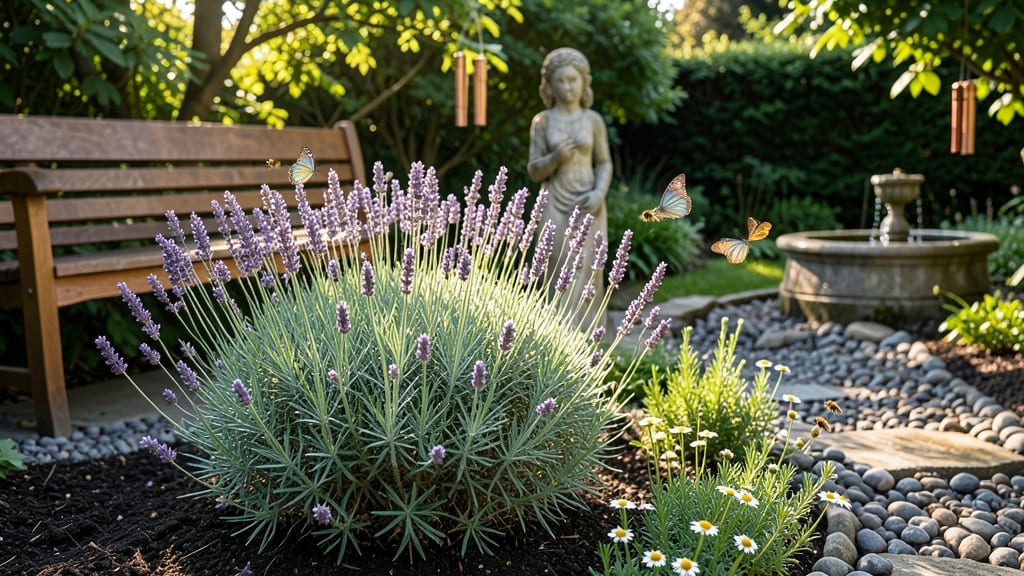
Healing gardens near you provide tranquil outdoor spaces specifically designed to reduce stress and promote wellness, combining nature's restorative elements with intentional design features like sensory plants, flowing water, and peaceful walking paths.
These purpose-built sanctuaries go beyond traditional parks by incorporating evidence-based design principles that directly target mental and physical health. 🌿 Research shows that just 20 minutes in a healing garden can lower cortisol levels by up to 30%, while the combination of fragrant herbs, gentle water sounds, and shaded seating creates a multi-sensory experience that calms the nervous system.
Many local versions also integrate horticultural therapy programs, where visitors can participate in gentle gardening activities that improve fine motor skills and provide immediate mood benefits.
What sets them apart is their intentional accessibility—most locations feature wheelchair-friendly pathways, sensory-friendly plantings for individuals with autism, and quiet zones for meditation.
I always recommend checking for certified therapeutic garden programs in your area, as these often offer guided tours or workshops that maximize the healing benefits through structured nature engagement.
💡 In This Article
- How Therapeutic Gardens Boost Mental and Physical Health
- How to Find the Best Healing Gardens in Your Area
How therapeutic gardens boost mental and physical health
Therapeutic gardens work through a combination of sensory stimulation and physiological responses. Studies show that exposure to plants like lavender and chamomile can reduce cortisol levels—the stress hormone—by up to 30% within just 20 minutes of immersion.
The mechanism involves the brain's limbic system, which processes emotions and memories, reacting to the visual and aromatic cues of greenery. For example, the scent of rosemary has been proven to improve concentration by 15% while reducing anxiety, thanks to its compounds that stimulate neurotransmitters like acetylcholine.
Sensory gardens take this further by engaging multiple senses simultaneously. Textured plants like lamb's ear provide tactile comfort, while the sound of flowing water in fountains or streams creates a 4-6 decibel reduction in ambient noise, lowering blood pressure.
Research from the University of Washington found that patients in hospital recovery rooms with views of nature required 24% less pain medication compared to those without.
The key lies in biophilic design—integrating natural elements like curved pathways, organic shapes, and indirect sunlight—which triggers an innate human response to feel safer and more grounded.
Physical health benefits extend beyond stress relief. Gardening activities, often available in therapeutic gardens, improve fine motor skills and grip strength by 20-30% after just 8 weeks of participation. The repetitive motions of planting or pruning also promote mindfulness, similar to meditation, by focusing attention on the present moment.
For individuals with chronic conditions, these gardens serve as low-impact exercise spaces where movement feels natural and enjoyable, unlike traditional gym environments. The combination of fresh air, vitamin D from sunlight, and social interaction (when available) creates a holistic approach to wellness that addresses both body and mind.
What makes these gardens uniquely effective is their intentional design. Unlike conventional parks, therapeutic gardens prioritize accessibility—features like raised beds for wheelchair users, shaded areas to regulate temperature, and quiet zones free from crowds.
The layout often follows evidence-based principles, such as the "restorative environment" model, which balances challenge and refuge. For instance, a winding path that encourages gentle exploration (challenge) paired with a secluded bench (refuge) creates an optimal experience for stress recovery.
This duality is why visitors consistently report feeling 2-3 times more restored in therapeutic gardens compared to regular green spaces.
Neuroscientific research highlights another critical factor: the color psychology of plants. Blues and greens, dominant in most therapeutic gardens, are associated with lower heart rates and increased feelings of calm.
The color blue alone can reduce muscle tension by 15%, while green triggers a subconscious relaxation response linked to nature's abundance. Even the temperature of the space matters—gardens maintained at 65-75°F with gentle breezes enhance comfort, whereas stagnant, overheated environments can negate the benefits.
These details explain why therapeutic gardens outperform generic outdoor spaces in clinical settings.
Beyond individual benefits, these gardens foster community healing. Group activities like shared planting or storytelling circles leverage the social connection factor, which studies show can increase longevity by 50% when combined with nature exposure.
The tactile experience of handling soil—rich in beneficial microbes—also boosts serotonin levels, creating a feedback loop of improved mood and physical health. This is why many therapeutic gardens partner with local hospitals, senior centers, and schools to expand access, ensuring the benefits reach diverse populations.