
Tools
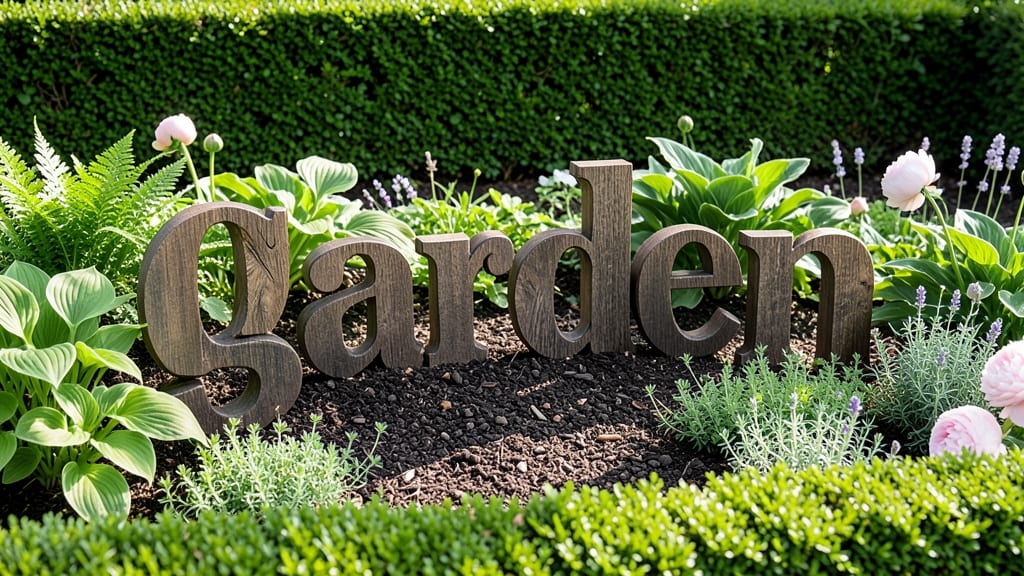
To spell garden correctly, use G-A-R-D-E-N—the word includes a silent 'e' at the end, like many English words for cultivated spaces. Never drop the 'e' or add extra letters like 'gg' or 'dd'.
English spelling can be tricky, but "garden" follows a common pattern where the silent 'e' marks the word as a noun. 🌿 This rule applies to similar words like "name" or "women," where the 'e' doesn't sound pronounced but signals the word's grammatical role.
The confusion often comes from mixing it up with words like "yard," which lacks the silent 'e' entirely. For visual learners, imagine the word "green" (which also ends with 'e')—both words share this spelling pattern, helping reinforce the correct form.
Many people mistakenly spell it as "gardin" or "gardern," likely because the 'e' is silent. 💡 A helpful memory trick is to think of "garden" as the place where you grow things—just like "green" plants!
Another common error is doubling letters, such as "garden" with two 'n's or 'd's, which doesn't match standard English conventions. Breaking the word into syllables ("gar-den") can also help solidify the correct spelling.
💡 In This Article
- Why 'Garden' Follows the Silent 'E' Rule
- Common Spelling Mistakes and How to Remember 'Garden' Correctly
Why 'garden' follows the silent 'e' rule
The silent 'e' in "garden" isn't just a quirk—it's part of a broader English spelling pattern that marks the word as a noun. This rule applies to thousands of words like "name," "women," and "table," where the 'e' signals the word's grammatical role without being pronounced.
Linguists trace this convention back to Old English and Middle English, when final 'e's were often pronounced but gradually faded into silence by the 17th century.
The 'e' remains to preserve the word's historical pronunciation and distinguish it from verbs like "garden" (as in "to garden," which would drop the 'e').
Here's the science behind it: the silent 'e' creates a softening effect on the preceding vowel, making the 'a' in "garden" sound like "gar-den" instead of "gardn." This phonetic rule mirrors how French and Spanish use silent letters to modify pronunciation.
For comparison, the word "yard" (which lacks the 'e') sounds harsher and more abrupt—like "yard"—because the vowel isn't softened. The 'e' also helps distinguish "garden" from similar-sounding words in other languages, like the French "jardin" (which ends with a hard 'n' sound).
This silent 'e' pattern extends to related words like "gardener" and "gardening," where the 'e' maintains consistency. What's fascinating is how this rule interacts with stress: in "garden," the stress falls on the first syllable ("GAR-"), making the silent 'e' even more noticeable.
This contrast with stressed syllables (like in "gardener," where the stress shifts) helps reinforce the spelling pattern. For visual learners, think of the 'e' as a silent anchor that keeps the word grounded in its original pronunciation.
Historically, the word "garden" evolved from Old English "gard," meaning an enclosed space, which later absorbed the silent 'e' through French influence. This is why "garden" shares the 'e' with words like "green" and "grow," all tied to nature and cultivation.
The silent 'e' isn't just about spelling—it's a linguistic bridge between Old English roots and modern pronunciation. For example, the 'e' in "garden" behaves similarly to the 'e' in "name," where the 'a' sounds like "ay" (as in "day") because of the silent 'e's influence.
To test this, say "garden" out loud and notice how the 'a' sounds like "gar-den" (with a long 'a' sound). Now say "gardn" (without the 'e')—it sounds abrupt and unnatural. This auditory cue is why the silent 'e' persists: it preserves the word's musicality and clarity.
The rule even applies to compound words like "backyard," where the 'e' in "yard" (if it had one) would follow the same pattern. This consistency makes "garden" easier to remember once you recognize the pattern.
What most people don't realize is that this silent 'e' rule isn't arbitrary—it's tied to how English absorbs and modifies sounds from other languages. For instance, the French "jardin" (which lacks the silent 'e') shows how language evolution can diverge.
In English, the 'e' acts as a phonetic placeholder, ensuring words like "garden" retain their original pronunciation despite silent letters. This is why mastering the silent 'e' rule unlocks spelling confidence for hundreds of common words.