
Tools
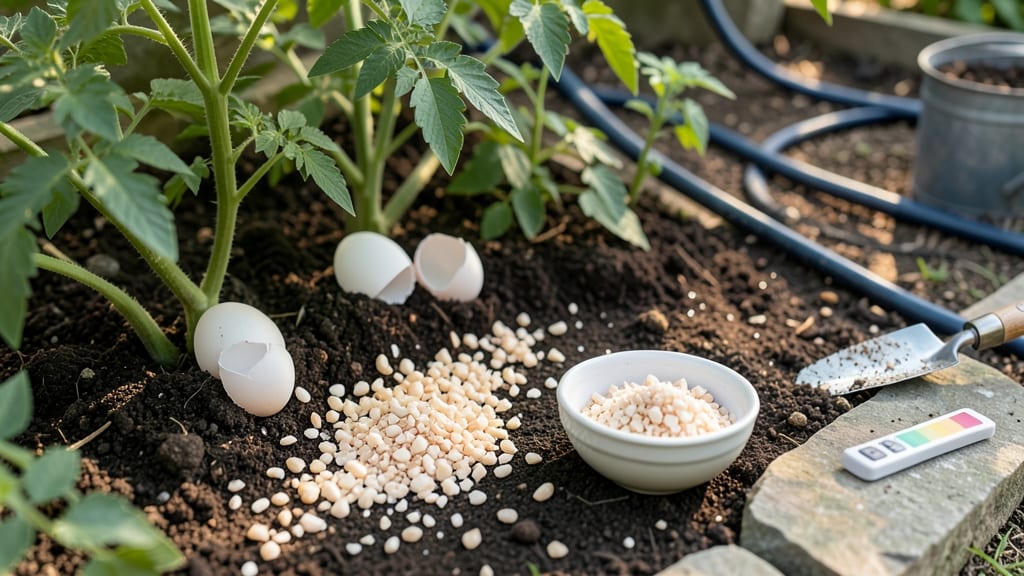
Eggshell uses in garden include acting as a natural fertilizer, pest deterrent, and soil conditioner by providing calcium, preventing slug damage, and improving drainage while slowly releasing beneficial minerals.
Eggshells are a gardener's secret weapon because they're packed with calcium carbonate, which plants crave for strong cell walls and healthy blooms. 🌱 When crushed and worked into soil, they create a slow-release nutrient system that mimics natural decomposition, while their sharp edges deter pests like slugs.
I've found that sprinkling crushed shells around tomato plants prevents blossom-end rot—a common issue caused by calcium deficiency—while also improving soil structure for better water retention.
Beyond calcium, eggshells help break down compacted soil over time, creating a looser texture that roots can penetrate more easily. This makes them especially useful for container gardens or heavy clay soils where drainage is poor.
The best part? You're essentially turning kitchen scraps into a free resource that benefits your plants throughout their entire growth cycle.
💡 In This Article
- How Eggshells Provide Essential Calcium for Plant Growth
- DIY Eggshell Gardening Hacks for Every Plant Type
How eggshells provide essential calcium for plant growth
Eggshells are primarily composed of calcium carbonate, which makes up about 95% of their structure. When crushed and incorporated into soil, this mineral slowly dissolves, releasing calcium ions that plants absorb through their roots.
Calcium is a critical building block for plant cell walls, particularly in the pectin structure that gives cells their rigidity and flexibility. Without adequate calcium, plants develop weak cell walls, leading to issues like blossom-end rot in tomatoes—a common problem where the bottom of fruits turn mushy and discolored.
The slow-release nature of eggshells sets them apart from synthetic fertilizers. Unlike quick-acting chemical nutrients that can burn plant roots, crushed shells provide a steady supply of calcium over 6-12 months, depending on soil conditions.
For example, in sandy soils where nutrients drain quickly, eggshells act like tiny time-release capsules, ensuring plants get a continuous calcium boost. The process begins when soil microbes and natural acids (like those from decomposing organic matter) break down the calcium carbonate into calcium bicarbonate, which plants can easily absorb.
This calcium infusion doesn't just strengthen stems and leaves—it also enhances root development. Healthy roots grow longer and branch more efficiently, improving a plant's ability to access water and other nutrients in the soil.
I've noticed this effect most dramatically in leafy greens like kale and Swiss chard, where the plants develop thicker, more vibrant foliage when grown in eggshell-amended soil.
The calcium also helps regulate the opening and closing of stomata (tiny pores on leaves), which improves the plant's ability to manage water loss during hot days.
What makes eggshells particularly effective is their dual role in both nutrient provision and soil structure. As they decompose, they leave behind a slightly alkaline residue (pH 7.5-8.5), which can help neutralize overly acidic soils.
This is especially beneficial for acid-loving plants like blueberries, where a balanced pH is crucial for nutrient uptake. The physical presence of crushed shells also creates tiny air pockets in the soil, improving aeration and drainage—two factors that directly impact root health.
To maximize these benefits, I recommend crushing eggshells into fine granules (about 1-2mm in size) for faster decomposition. Larger pieces take longer to break down but can still work well in container gardens where you want a more gradual release.
The key is to distribute them evenly around the base of plants or mix them into the top 2-3 inches of soil, where most root activity occurs. This method ensures your plants get the calcium they need without overwhelming them with sudden nutrient spikes.
For container gardeners, adding a handful of crushed eggshells to potting mixes can make a noticeable difference in plant vitality. The calcium helps prevent common container-grown issues like weak stems and poor flowering, while the improved soil structure reduces the risk of root rot from overwatering.
It's a simple way to give your potted plants the same benefits as those in garden beds—without any of the guesswork.