
Light Requirements
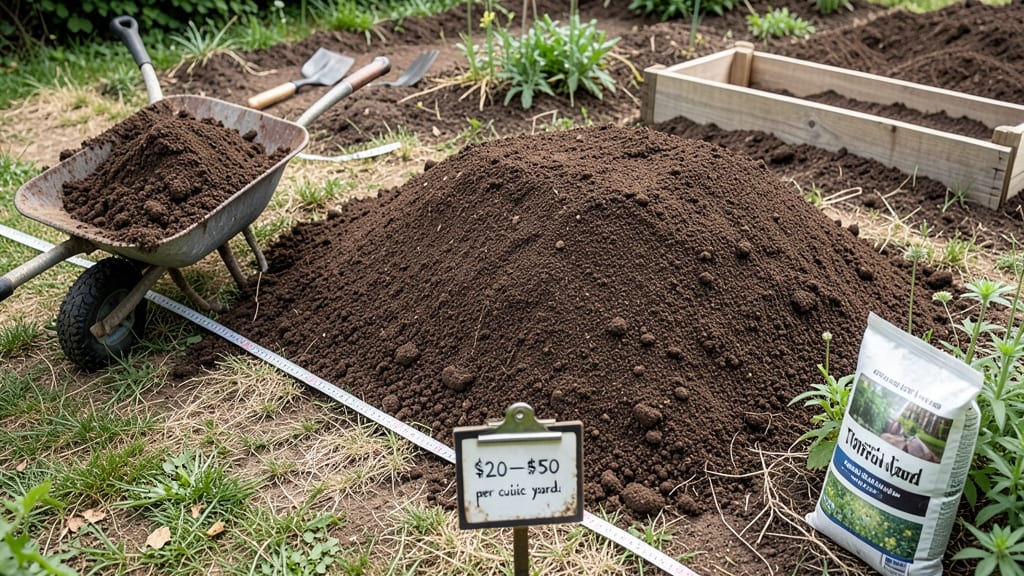
Buying a yard of garden soil typically costs between $10 and $40, with topsoil running $15–$25, compost blends $20–$40, and premium mixes like potting soil reaching $40–$60. Regional pricing, delivery fees, and bulk discounts can shift these numbers significantly.
A yard of garden soil isn't a one-size-fits-all price tag—it varies wildly based on what's in the mix. 🌱 Topsoil, the most common choice for planting beds, stays affordable because it's locally sourced and heavy on clay or sand.
Compost blends cost more because they require organic matter, and specialty mixes like raised-bed soil include extra nutrients or moisture control. I've seen prices jump in urban areas where delivery adds $50–$100 to the total, while rural spots often offer bulk discounts if you buy 5+ yards at once.
What's interesting is how soil composition directly impacts cost. A cubic yard of pure compost can run $20–$40 because it's nutrient-rich and takes longer to produce, while standard topsoil stays cheaper because it's stripped of organic material.
If you're working on a large garden project, calculating your square footage first saves money—you might find that buying a few extra yards now is cheaper than multiple small orders later.
💡 In This Article
- Factors Affecting Garden Soil Pricing by Type
- Where to Buy Garden Soil for the Best Value
Factors affecting garden soil pricing by type
The cost of garden soil per cubic yard isn't random—it's directly tied to what's in the mix. Topsoil, the most budget-friendly option at $15–$25 per yard, is essentially the upper layer of earth stripped of rocks and debris.
It contains about 5–10% organic matter, making it heavy on minerals but light on nutrients. This low organic content keeps prices down, but it's not ideal for planting without amendments.
Compost blends jump to $20–$40 per yard because they're engineered to improve plant health. These mixes typically contain 30–50% organic matter, including decomposed leaves, grass clippings, or aged manure. The breakdown process requires time and energy, which translates to higher costs.
For example, a yard of 50% compost + 50% topsoil might cost $28, while pure compost can reach $35–$40 due to its nutrient density.
Specialty mixes like raised-bed soil or potting blends push prices to $40–$60 per yard because they include additional ingredients. These might contain perlite for aeration, peat moss for moisture retention, or slow-release fertilizers.
The texture changes dramatically—where topsoil feels coarse and gritty, premium mixes are often light and fluffy, almost like a cross between soil and mulch. This extra processing explains the premium pricing.
Delivery fees add another layer of cost variation. In urban areas, hauling a cubic yard can cost $50–$100 extra, while rural suppliers often deliver for free if you buy 5+ yards.
The weight matters too: a yard of topsoil weighs about 2,000–2,200 pounds, while compost blends might be 1,500–1,800 pounds due to their airy composition. This affects fuel costs for delivery trucks.
Regional pricing plays a huge role—soil in drought-prone areas costs more because it's blended with moisture-retaining additives. In wet climates, you might find drainage-focused mixes at a premium. Even within the same city, prices can vary by 20–30% depending on whether the supplier sources locally or imports from farther away.
Here's what most people overlook: the long-term cost. While topsoil seems cheap upfront, you might need 3–4 yards for a 10x10-foot garden bed, totaling $45–$100.
A compost blend could require only 2 yards, saving both money and effort. The trade-off? Your plants will grow faster and healthier in the pricier mix.