
Tools
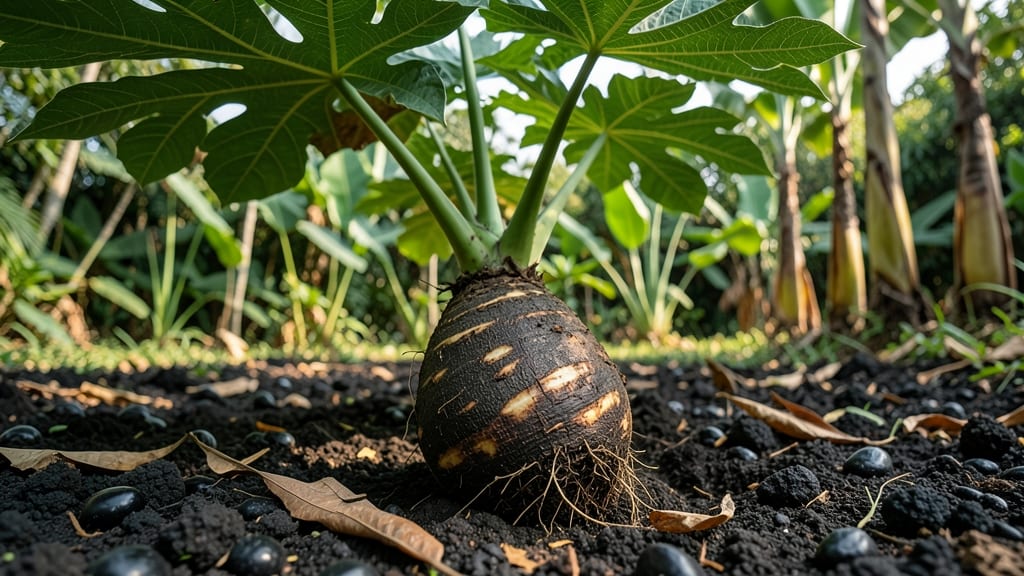
To say 'gardening' in Spanish, use jardineria (pronounced 'har-dee-nee-ah'), the standard term for the activity, while jardiner (har-dee-neh) refers to the person who gardens. For everyday conversations, cultivar plantas (kul-tee-var plan-tas) works best as a natural alternative.
Spanish gardening terms vary by region and context, but jardineria remains the most widely recognized word for the practice. 🌿 The term jardiner specifically names the person, which can be useful when discussing roles or skills.
For example, if you're asking someone about their gardening habits, you might say, "¿Qué tipo de jardineria practicas?" to learn more about their approach. Meanwhile, cultivar plantas captures the active, hands-on nature of gardening—perfect for describing tasks like planting or maintaining a garden.
Beyond basic vocabulary, understanding regional differences adds depth. In Spain, huerto refers specifically to vegetable gardens, while in Latin America, jardin might be used more broadly for any outdoor space with plants.
Knowing these distinctions helps you communicate more precisely, whether you're buying seeds (semillas), asking for care tips (¿Cómo riego estas plantas?), or navigating a local nursery. The key is adapting your language to the specific gardening culture you're engaging with.
💡 In This Article
- Spanish Gardening Vocabulary Beyond Jardineria
- Practical Phrases for Gardeners in Spanish-Speaking Countries
Spanish gardening vocabulary beyond Jardineria
Spanish gardening terms extend far beyond jardineria to reflect regional traditions and botanical precision. For example, huerto (WOO-ehr-toh) specifically refers to vegetable gardens—common in Spain and parts of Latin America—while jardin (har-deen) describes ornamental plant spaces.
In Mexico, chinampa (chee-NAHM-pah) refers to ancient floating gardens, showcasing indigenous agricultural techniques. These distinctions matter because they shape how locals discuss gardening practices, from planting crops to designing landscapes.
The language also includes specialized botanical terms like flor (flohr) for flowers, arbusto (ar-BOO-stoh) for shrubs, and árbol (AHR-bohl) for trees. Verbs like regar (reh-GAHR) mean "to water," poda (POH-dah) means "to prune," and abonar (ah-boh-NAHR) means "to fertilize."
Pronunciation varies: the 'j' in jardineria sounds like an English 'h' (har-dee-nee-ah), while 'rr' in regar produces a strong trilled 'r' (reh-GAHR). Mastering these terms helps you describe gardening tasks with accuracy.
Regional accents add another layer. In Spain, gardeners might use maceta (mah-SEH-tah) for pots, while in Latin America, olla (OH-yah) or cubeta (koo-BEH-tah) might be preferred. The verb cultivar (kul-tee-VAHR) means "to cultivate" and is widely used across Spanish-speaking countries.
For instance, in Colombia, you might hear cultivar flores (kul-tee-VAHR floh-REHS) to describe flower gardening, while in Argentina, horticultura (hor-tee-kul-TOO-rah) refers to the broader practice of plant cultivation.
Understanding these nuances helps you communicate effectively, whether you're asking for plant care advice or discussing regional gardening techniques. For example, in Peru, quinoa (KEE-nwah) refers to a native grain, while in Chile, palto (PAHL-toh) means avocado—a fruit often grown in home gardens.
These terms reveal how gardening intertwines with local ecosystems and traditions.
Beyond vocabulary, Spanish gardening phrases often incorporate cultural references. For instance, jardinero (har-dee-NEH-roh) means "gardener," but in some regions, agricultor (ah-gree-kul-TOHR) refers to farmers who work on larger scales. The verb trasplantar (tras-plan-TAHR) means "to transplant," a key task in many gardens.
Knowing these terms allows you to participate in conversations about gardening techniques, plant care, and regional practices with confidence.
For example, if you're in Mexico, you might ask, "¿Cómo se cultiva el chile?" (KOH-moh seh kul-TEE-vah el CHEE-leh?) to learn about growing peppers, while in Spain, "¿Qué tipo de abono usas?" (Keh TEE-po deh ah-BO-noo OO-sahs?) asks about fertilizer types.
These phrases open doors to sharing knowledge and learning from local experts.
In summary, Spanish gardening vocabulary is rich with regional and botanical distinctions. Whether you're discussing huertos, chinampas, or macetas, understanding these terms helps you connect with gardeners across Spanish-speaking cultures. 🌱