
Tools
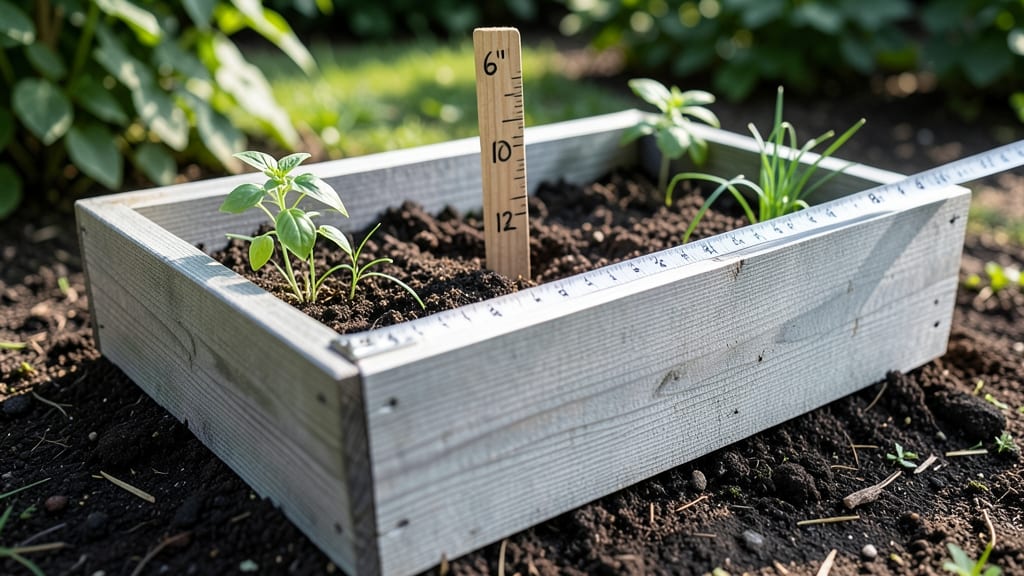
The ideal dimensions for raised garden beds are 3 to 4 feet wide for easy reach, at least 6 to 12 inches deep for most plants, and 4 to 8 feet long depending on space. Height should be 12 to 18 inches to prevent soil compaction and improve drainage.
These measurements strike the perfect balance between accessibility and plant needs. A 3- to 4-foot width lets you work comfortably from both sides without bending over, while 6 to 12 inches of depth accommodates root systems for most vegetables and herbs.
The 12- to 18-inch height keeps soil loose and well-draining, preventing compaction and waterlogging. 🌱 For larger root crops like potatoes, you might extend depth to 18 inches, but standard dimensions work beautifully for leafy greens, tomatoes, and peppers.
What's interesting is how these dimensions adapt to different growing conditions. Shorter beds (12 inches deep) work well for herbs and shallow-rooted plants, while deeper beds (18 inches) give roomier plants like squash and carrots to thrive.
The length can stretch up to 8 feet, but longer beds may need internal supports to prevent sagging over time.
💡 In This Article
- How Raised Garden Bed Dimensions Impact Plant Health
- Designing Custom Raised Garden Beds for Your Space
How raised garden bed dimensions impact plant health
Width directly affects your gardening comfort and plant spacing. A 3- to 4-foot width creates what ergonomists call the "comfort zone" for reaching—your arm can comfortably extend 24 to 30 inches without straining, leaving 6 to 12 inches of working space on either side.
This prevents overcrowding while allowing you to tend to plants without stepping into the bed, which compacts soil. 🌱 For comparison, standard garden rows are often 12 to 18 inches wide, but raised beds eliminate the need for walking paths between them.
Depth determines root expansion and soil volume. Most vegetables need 6 to 12 inches of soil because their roots typically grow to 12 to 18 inches deep (like tomatoes or peppers), but the top 6 inches contain 50% of their root mass.
Shallow beds (6 inches) work for herbs and salad greens, but deeper beds (12+ inches) give carrots or potatoes the room they need.
The extra depth also improves moisture retention and temperature stability—soil at 12 inches deep stays 5-10°F cooler in summer and 5-10°F warmer in winter than surface soil.
Length influences drainage and structural integrity. Beds longer than 8 feet risk sagging unless reinforced with internal supports, as wood or stone materials can bow under soil weight. The length also affects water distribution—longer beds may need 2-3 irrigation points to ensure even moisture.
For example, a 4x8-foot bed provides 32 square feet of growing space, enough for 16-20 mature plants spaced 18-24 inches apart, while a 3x6-foot bed offers 18 square feet for 9-12 plants—ideal for small yards or container gardening.
Height matters for soil health and accessibility. Beds 12 to 18 inches tall prevent soil compaction by keeping roots above hard ground, while also reducing weed pressure. The elevated design improves drainage—water exits through the bottom slats rather than pooling.
For mobility, a 14-inch height works well for wheelchair users, while 18 inches is better for those with back issues, as it brings planting level closer to waist height (30-36 inches from the ground).
Different crops thrive in different configurations. Leafy greens (like lettuce or spinach) do well in 6-inch-deep beds, while root vegetables (like beets or radishes) need 12 inches. Tomatoes and peppers benefit from 18-inch depth to support their sprawling root systems.
Flowers like marigolds or nasturtiums adapt to shallower beds but add visual interest and pest-deterrent properties in any configuration. The key is matching bed dimensions to your plants' growth habits rather than forcing them into a one-size-fits-all design.
One often-overlooked factor is how dimensions affect soil temperature. Dark-colored beds (like cedar or untreated wood) absorb 10-15% more heat than lighter materials, which can accelerate seed germination by 3-5 days in spring.
Conversely, reflective materials (like galvanized metal) keep soil cooler, extending the growing season in hot climates. This is why southern gardeners often opt for 12-inch-tall beds with light-colored wood to prevent overheating. 🌿