
Tools
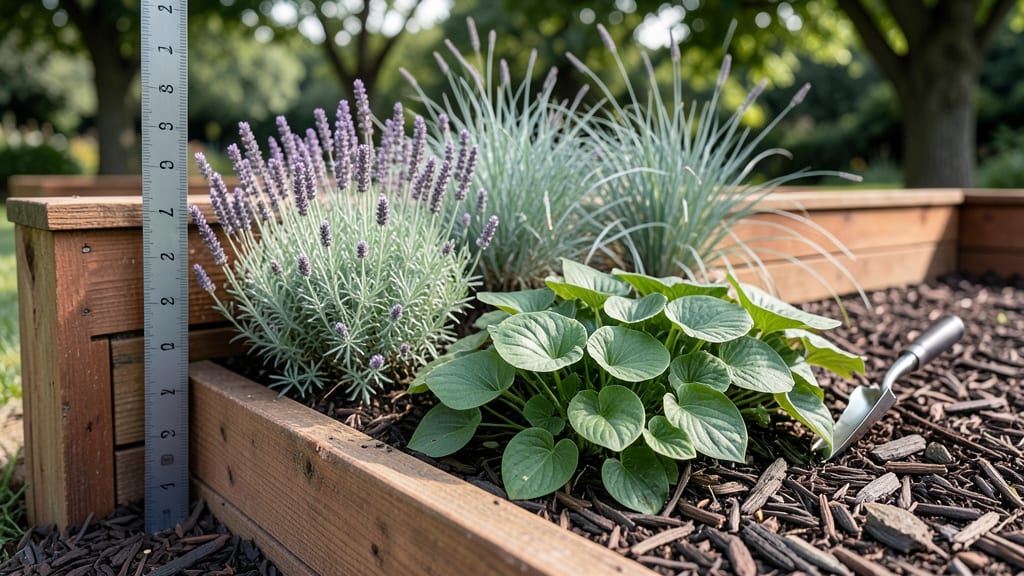
The ideal garden bed height for optimal drainage and root growth is 6 to 12 inches, balancing soil volume for plant roots while preventing waterlogging and erosion. Raised beds should be at least 6 inches deep for most vegetables, while deeper beds benefit larger plants like tomatoes or shrubs.
The right bed height creates the perfect environment for roots to spread without drowning in stagnant water. 🌱 A 6-inch minimum works for shallow-rooted plants like lettuce or herbs, while 12-inch beds give tomatoes and shrubs room to thrive.
This depth also prevents compaction, which stifles root growth and limits nutrient access. I’ve found that adding compost or vermiculite to deeper beds further improves aeration and moisture control, especially in clay-heavy soils.
Raised beds offer extra benefits like better drainage and fewer weeds, but their height depends on your soil type and plant needs. For example, blueberries need acidic, well-draining soil—often requiring 10-inch beds—while carrots can thrive in just 8 inches.
If your yard has poor drainage, elevating beds by 12 inches can make all the difference. The key is matching depth to your plants’ natural growth patterns.
💡 In This Article
- How Garden Bed Height Affects Soil Health and Plant Roots
- Choosing the Right Garden Bed Height for Your Plants
How garden bed height affects soil health and plant roots
Soil depth directly influences how roots grow and breathe. A 6-inch minimum provides enough space for shallow-rooted plants like radishes or lettuce to establish their fibrous networks, while deeper beds (up to 12 inches) accommodate taproots like carrots or the sprawling roots of tomato plants.
The extra height in raised beds creates a looser, more aerated soil profile compared to compacted in-ground soil, which can become dense and anaerobic over time. This aeration is critical—roots need oxygen to respire and access nutrients efficiently.
Water management becomes another critical factor with height. A 12-inch bed allows for better drainage, preventing waterlogging that can suffocate roots and promote fungal diseases. The top 6 inches of soil dry out faster in raised beds, creating a moisture gradient that encourages deeper root penetration.
In contrast, in-ground beds often suffer from poor drainage, especially in clay-heavy soils, where water pools at the surface. This is why raised beds are ideal for areas with heavy rainfall or poor soil structure—elevating the bed by 12 inches can transform a waterlogged disaster into a thriving garden.
The microbial ecosystem also benefits from optimal depth. Deeper beds support a more diverse population of beneficial microbes, including mycorrhizal fungi that form symbiotic relationships with plant roots. These microbes help break down organic matter, making nutrients like nitrogen and phosphorus more available to plants.
In a 6-inch bed, you’ll find a concentration of microbes near the surface, while deeper beds allow these organisms to colonize a larger volume of soil, enhancing overall soil fertility.
This is why compost or well-aged manure is often mixed into the bottom layers of raised beds—it jumpstarts this microbial activity.
Root zone development follows predictable patterns based on bed height. Shallow-rooted plants like basil or spinach thrive in 6-inch beds, where they can spread horizontally without competition. Meanwhile, deep-rooted perennials like asparagus or fruit trees need 12-inch beds to establish their extensive root systems.
The deeper the bed, the more stable the plant becomes against wind and drought stress. For example, a tomato plant in a 12-inch bed can develop roots that reach 2-3 feet deep in search of moisture, whereas the same plant in a 6-inch bed may struggle to establish itself properly.
Material choice also plays a role in soil health. Wooden raised beds, for instance, can leach tannins into the soil over time, which may slightly acidify the environment—beneficial for acid-loving plants like blueberries but potentially harmful to others.
On the other hand, untreated cedar or composite materials resist decomposition and don’t alter soil chemistry. The bed’s height influences how quickly these materials break down, with taller beds requiring more durable materials to maintain structure over time.
For instance, a 12-inch cedar bed might last 5-7 years, while a 6-inch bed of the same material could degrade in just 3-4 years due to exposure to moisture and temperature fluctuations.
Consider this: in a 12-inch bed, the top 6 inches may dry out quickly, while the lower layers stay moist—creating an ideal gradient for root exploration. This stratification mimics natural soil profiles and encourages plants to develop stronger, more resilient root systems.
For instance, a carrot planted in a 12-inch bed will grow straighter and more uniformly than one in a 6-inch bed, where roots may twist or fork due to limited space.
The extra depth also reduces the risk of soil compaction, which can restrict root growth and limit nutrient uptake.
Ultimately, the right bed height balances drainage, aeration, and root development. Whether you’re growing shallow-rooted herbs or deep-rooted perennials, tailoring your bed’s height to your plants’ needs ensures healthier soil and stronger plants.
The science behind it is simple: deeper roots mean more stable, drought-resistant plants, while proper drainage keeps the soil environment optimal for microbial activity and nutrient cycling. 🌱